
Last updated November 15, 2026
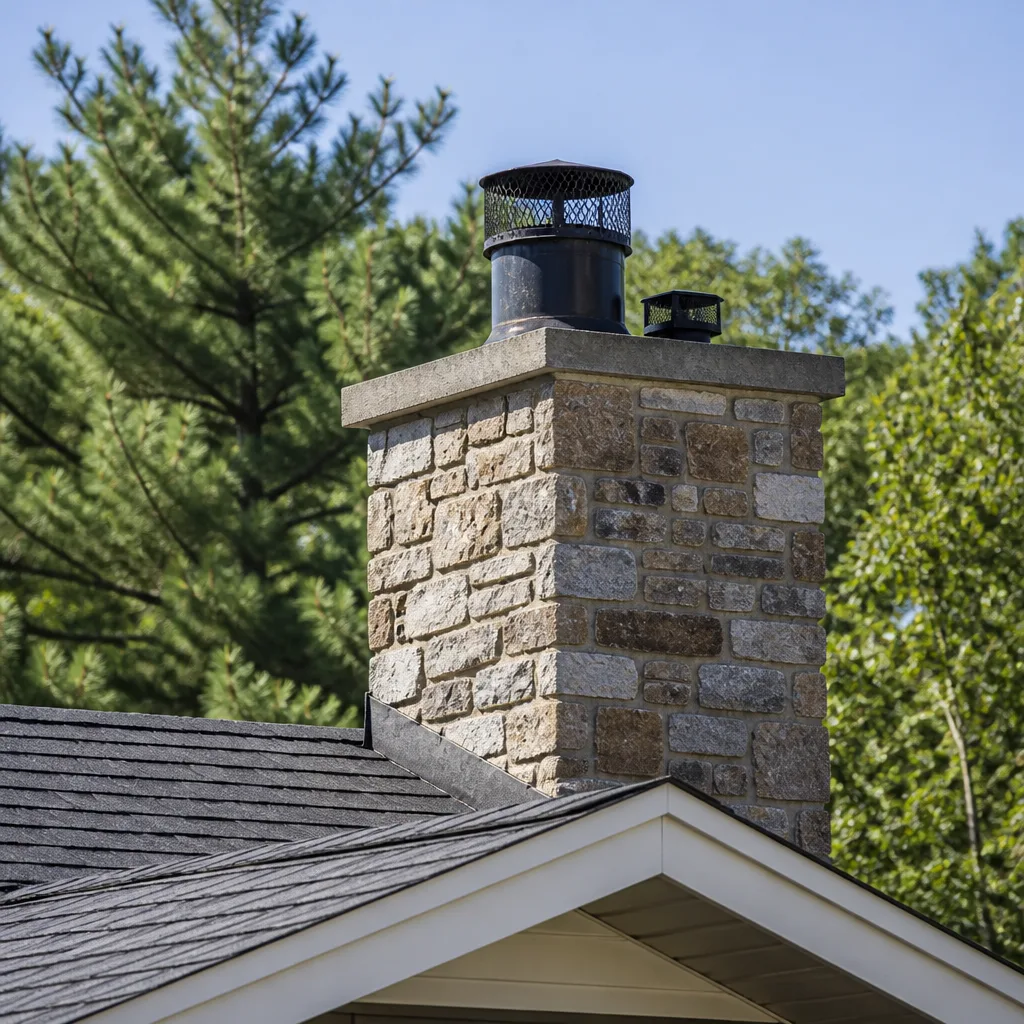 Sweep & inspection
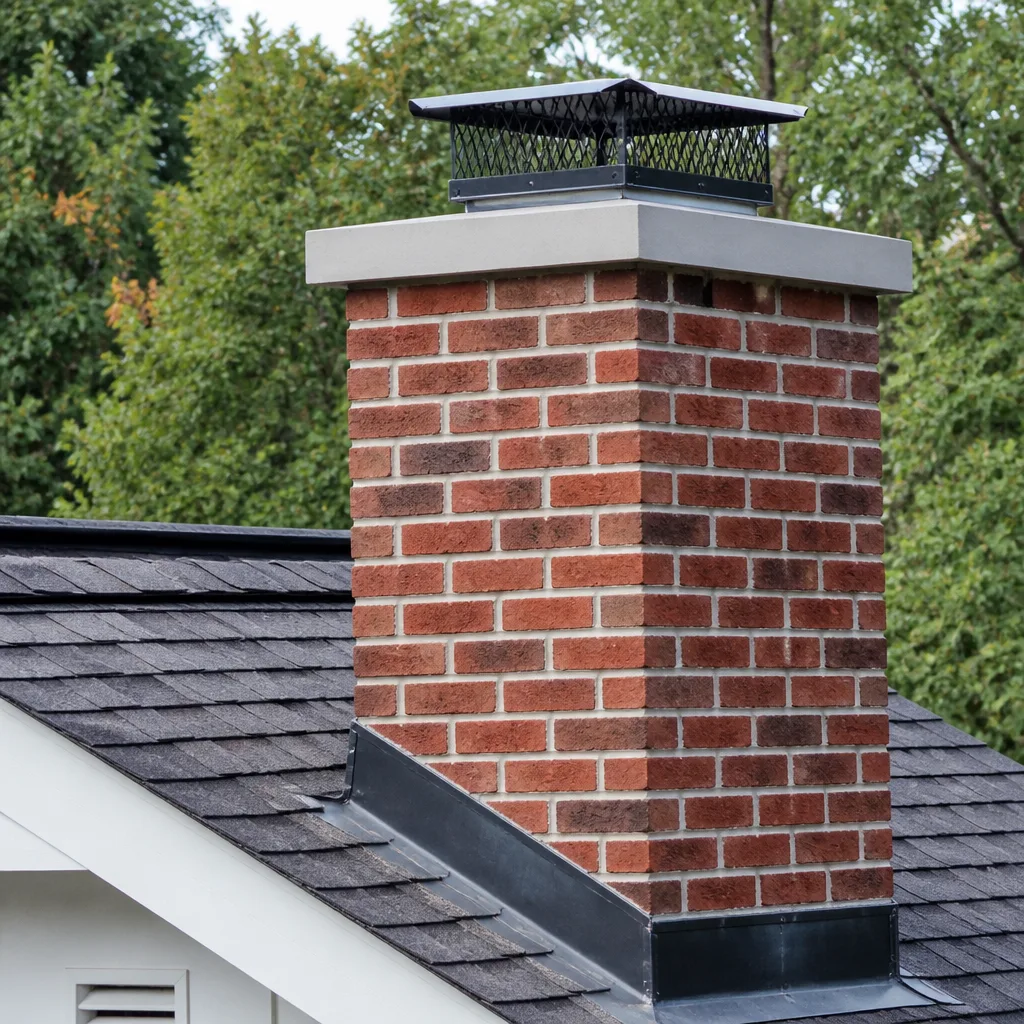 Caps & crowns
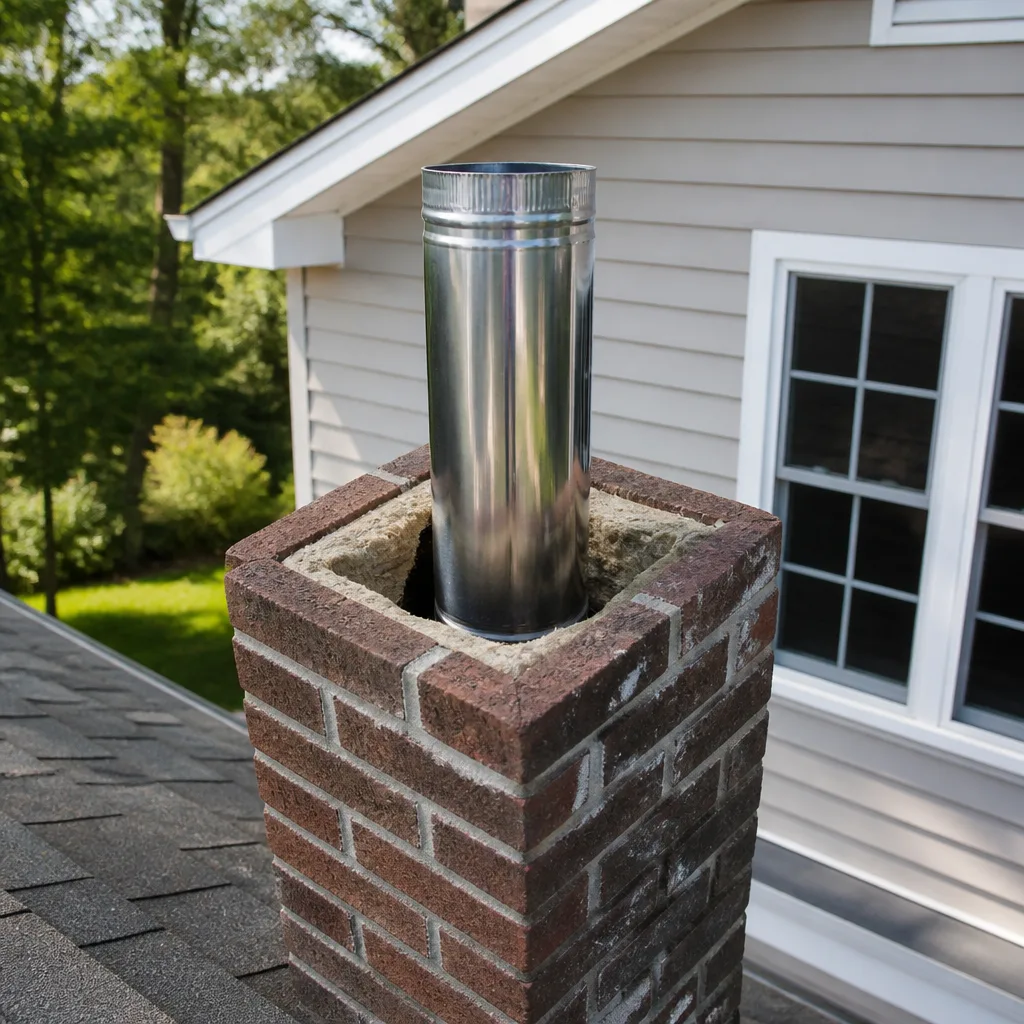 Flue relining
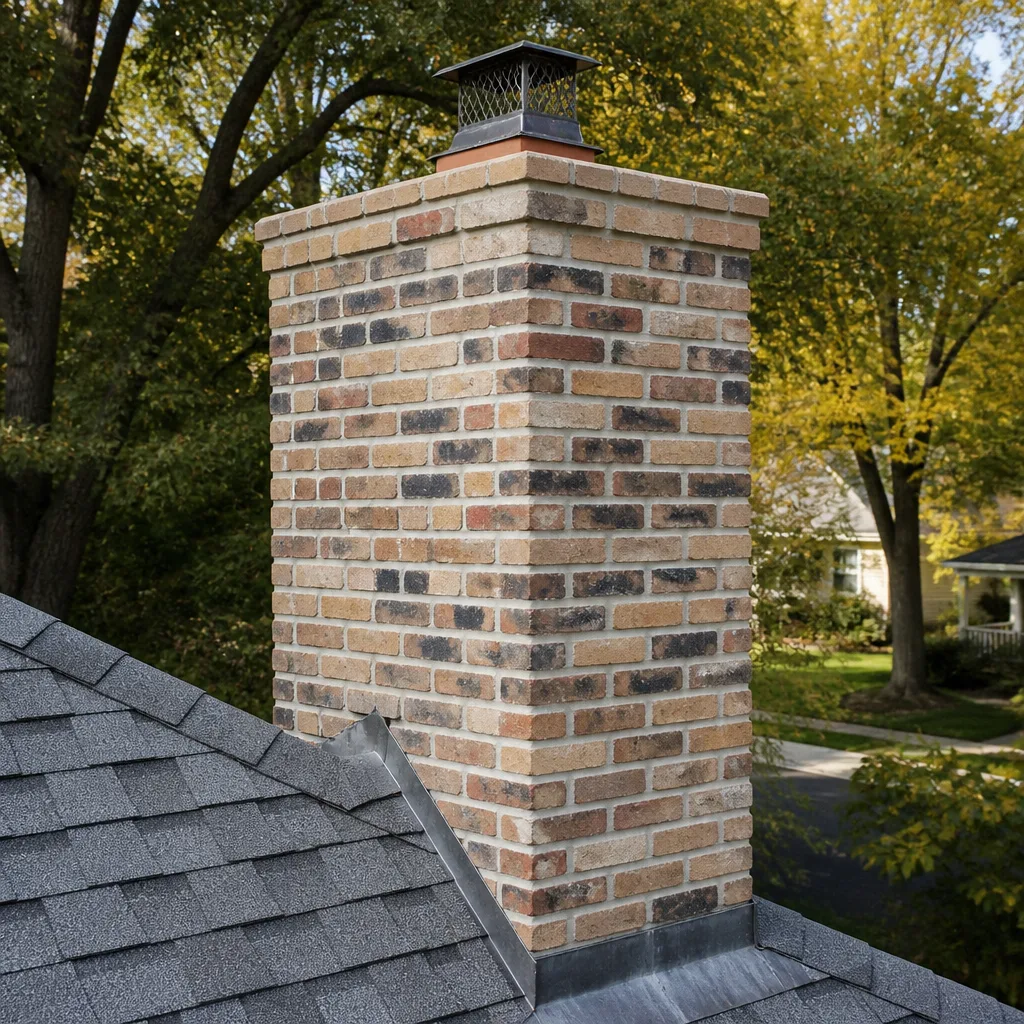 Masonry repair
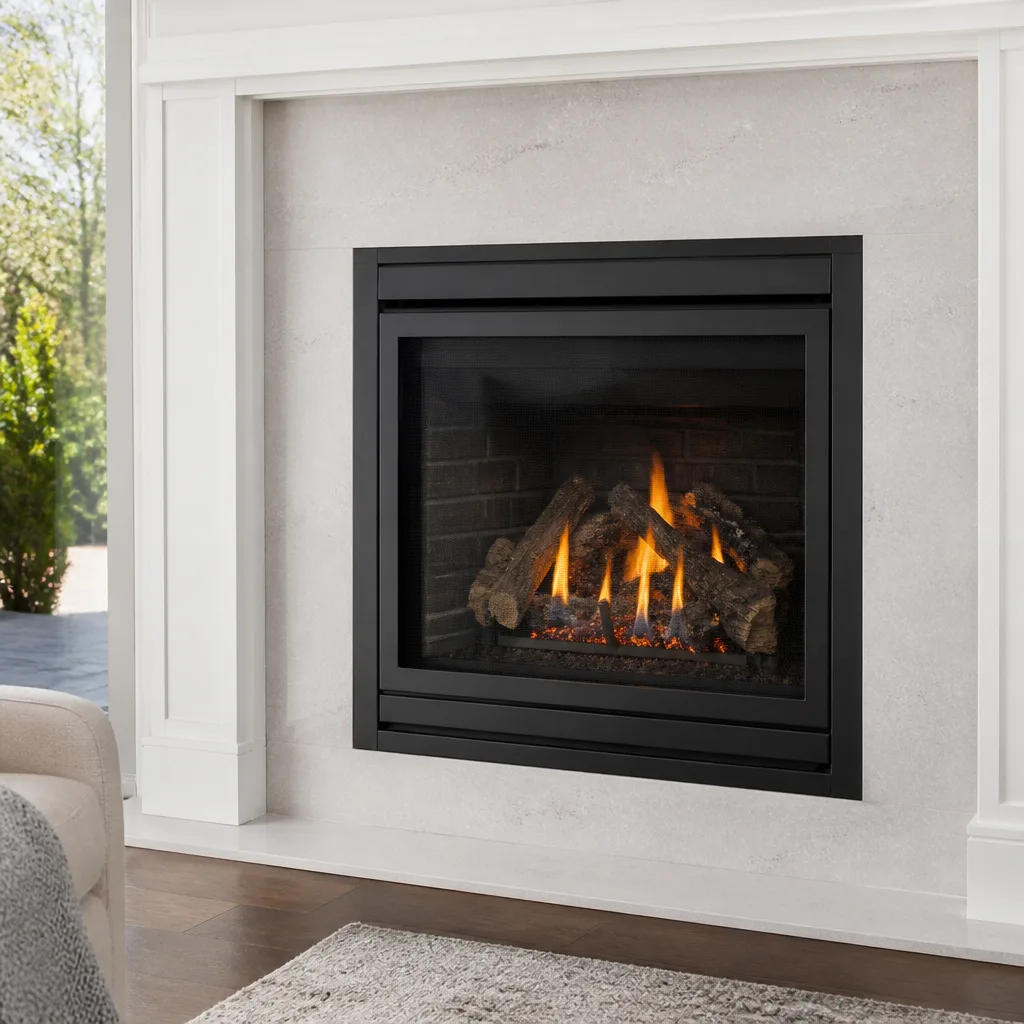 Gas fireplace service
Level 1 sweep and inspection to the NFPA 211 annual standard - flue, crown, cap, and flashing checked and photographed
Chimney sweep logs do not sweep chimneys. They loosen some creosote - which then falls where a brush and vacuum still have to collect it.
Seasonal Chimney Cleaning Care for Reno: Year-Round Homeowner’s Guide
The worst time to find out your chimney cap came loose is the first cold night you light a fire in October. But that cap probably failed months earlier, in a June Washoe Zephyr wind event, and sat open all summer collecting debris and moisture. Most Reno homeowners think about their chimney only when they want a fire. The homeowners who avoid expensive repairs are the ones who do light maintenance in the off-season instead of waiting for the annual sweep to surface problems. This guide walks through what a chimney in Reno actually faces across all four seasons, and the small tasks that keep it working. We’ll cover summer nesting checks, fall sweep timing, mid-winter warning signs, spring freeze-thaw damage, and how to adjust your burn habits through the shoulder seasons.
Quick Answer
Seasonal chimney care in Reno means checking the cap and screen after windy months, sweeping in late September before the first fire, watching for draft problems mid-winter, and inspecting masonry in spring for freeze-thaw cracks. One annual sweep is a floor, not a ceiling. A chimney that gets looked at after wind season, before heating season, and after the last freeze tends to cost far less to maintain than one that waits for a problem to get loud.
Styles & brands we work with
- Sweep & inspection
- Caps & crowns
- Flue relining
- Masonry repair
- Gas fireplace service
Table of Contents
- Why Reno Chimneys Need Seasonal Care, Not Just an Annual Sweep
- Summer: The Quiet Season That Does the Most Damage
- Fall: Why Late September Beats January for a Sweep
- Mid-Winter: Signs You Need a Check Even After a Sweep
- Spring: Freeze-Thaw Damage and What to Look For
- Adjusting Burn Habits Through Reno’s Shoulder Seasons
- The Reno Chimney Care Calendar
- When to Call a Professional
Why Reno Chimneys Need Seasonal Care, Not Just an Annual Sweep
Reno’s climate is hard on chimneys in four separate ways across the year, and most of them happen when you’re not burning wood. The winter part is what everyone expects: cold nights, steady fires, creosote buildup. The other three seasons are where the surprises live. Summer heat and dry wind can crack crown sealant and pull screen material loose. Fall is the narrow window before first use when a sweep still does the most good. Spring freeze-thaw cycling at elevation stresses masonry joints, flashing, and mortar.
A chimney is an exterior structure bolted to your house. It takes wind on the same exposure as your roof, plus a steady plume of hot, corrosive exhaust during winter, plus months of sitting cold and damp. Each of those pressures hits at a different time of year, which is why an annual sweep alone doesn’t cover the whole picture. A sweep removes what’s already built up in the flue. It doesn’t tell you that the crown is starting to crack after a dry summer, or that a screen is clogged with cottonwood fluff, or that flashing has separated a few inches at the roofline.
In our experience, the homes that get through a winter without a scramble are the ones where the homeowner has three checkpoints on the calendar: one after wind and heat season, one before the first fire, and one after the last freeze. They’re not doing heavy work themselves. They’re looking, noticing, and calling when something has shifted.
- Winter: fuel consumption, creosote accumulation, draft under load.
- Spring: freeze-thaw stress on masonry, mortar, and flashing.
- Summer: wind damage, insect and animal activity, sealant drying.
- Fall: the last good window to sweep before the flue gets used.
If you’re new to a home in the area, start with a full inspection by a Reno Chimney Cleaning specialist before you assume the chimney is in seasonal shape. What’s there at the start of one heating season tells you what you’re working with for years to come.
Summer: The Quiet Season That Does the Most Damage
Summer is when a chimney takes damage without any visible sign from inside the house. The flue is unused, the firebox is dark, and nothing tells you that a screen has torn open or that a sealant has dried out. But this is the season when the most overlooked problems start. In Reno, June and early July bring the Washoe Zephyr, a strong downslope wind that funnels through the Truckee Meadows most evenings. That wind pressure alone can loosen cap fasteners, bend screens, and lift or peel crown sealant that has already started to fail.
Once a cap is compromised, three things happen through the rest of the summer:
- Nesting. Birds, squirrels, and other animals find an open flue and treat it as a quiet place to raise young. Once a nest is built, the flue is blocked, and the blockage isn’t apparent until smoke backs up into the room on the first fire.
- Moisture intrusion. An open flue lets rain, dew, and humid air straight into the firebox and up into the masonry. Summer moisture sits, evaporates slowly, and starts the freeze-thaw damage that shows up the following spring.
- Debris loading. Dry leaves, twigs, and cottonwood fluff blown in through the summer sit in the smoke shelf and the base of the flue. That’s fuel sitting inches from where your first fire of the season will start.
Cap screens are especially prone to cottonwood clogging. The fluff is light, catches on every wire edge, and builds up fast through June and July. A screen that read as clear in May can be half-blocked by August. That reduces draft, and a chimney that drafts poorly on the first cold night is a chimney that smokes into the room.
What to check in late summer, before you need the fireplace:
- Walk the exterior and look at the cap. Does it sit level? Are any fasteners visibly missing? Is the screen torn or sagging?
- Check the crown at the top of the chase for cracks, flaking sealant, or separated edges.
- Open the damper and shine a light up the flue. If you see daylight at the top, the flue is likely clear. If you see any obstruction, stop and call.
- Look for any evidence of animals around the cap or on the firebox floor.
If the cap or crown needs work, replacing it before fall beats fighting a draft problem all winter. We stock Gelco caps and screens specifically because a cap failure is the kind of thing that needs to be resolved before the heating season, not explained to a homeowner after a smoke-out on a cold night.
Fall: Why Late September Beats January for a Sweep
A sweep in late September does more good than a sweep in January, every time. Creosote and soot volume don’t appear suddenly. They accumulate across the entire burn season, a thin layer at a time. A chimney swept before the first fire starts the season with a clear flue. A chimney swept in January has already burned two or three months of fires through an unclear one, and during that window three things get worse: draft declines, the risk of a flue fire increases, and any small diagnosis becomes harder because the residues obscure what’s underneath.
There’s also a practical reason. Late September is a mild, dry window in Reno. Access to the roof, work on the cap, and a masonry inspection are simpler and more comfortable for everyone involved. By January, the roof may be snow-covered, the wind is harsher, and a job that would have been routine in fall gets complicated. It also takes longer to get on a schedule once everyone realizes they need work at the same time.
Our preferred fall formula, in order:
- Book a chimney sweep in late September or early October. Before first use, not after. This resets the flue to clean.
- Get a camera inspection at the same time. A sweep clears the flue; an inspection shows you the actual condition of the liner, joints, and smoke chamber. We don’t recommend any repair that isn’t supported by photos you can see for yourself.
- Address any cap, crown, or flashing issues found before the first cold snap. Those are the fixes that get harder in winter.
- Test the damper and confirm draft on a mild day with a small fire before you need the fireplace for real heating.
An annual sweep isn’t a substitute for an inspection, and an inspection without a sweep leaves the flue dirty enough that some problems are hard to see. That’s why we treat them as one combined visit rather than two separate events. One trip, one report, one set of photos. It’s one of the reasons it pays to have a single specialist do both rather than splitting it across two companies. For reference on what a full sweep visit looks like, see our chimney sweep page.
Mid-Winter: Signs You Need a Check Even After a Sweep
Even with a clean flue in September, mid-winter is when signs show up that a sweep alone can’t catch. The most common winter complaint we hear in Reno isn’t fire damage. It’s a fire that worked fine in October and smokes into the room by January. That pattern usually points to one of a few things: creosote load has built up again on heavy-burn weeks, the cap has become partly blocked by soot or a returning animal, or the flue has started to pull less because the outdoor temperature differential has shifted.
Watch for these indicators between December and February:
- Draft problems. Smoke rolling out of the firebox when you light a fire, or a fire that dies down without a clear reason. Both suggest restricted airflow.
- Smoke odor inside the house. A cold fireplace that smells smoky hours after the fire has burned down is often a sign of a blocked or partially blocked flue. Strong odors on a cold, calm day are worth a call.
- Visible soot at the damper. If you can see soot buildup on the damper blade or the bottom of the smoke chamber, that buildup is happening higher up too.
- Creosote evidence on the firebox walls. Glossy, tar-like deposits on the firebox or lower flue suggest you’re running cool fires and building creosote faster than usual.
- Unusual noise or smell from the cap area. Soot or debris shifting can create a low rasping sound during wind. Animals returning can too.
A mid-season check doesn’t always mean a full sweep. Sometimes it means confirming the flue is clear and the cap is intact, and then adjusting how you’re burning. But if you see soot where there wasn’t any in October, or the draft has flipped in a way that’s consistent across multiple fires, it’s worth calling for a professional look. Our team is trained specifically on chimney diagnostics, and the visit is usually short. Creosote and flue conditions are the one area homeowners should never try to correct alone. A professional sweep removes creosote safely, and a specialist knows what to look for that a homeowner won’t spot.
Spring: Freeze-Thaw Damage and What to Look For
Spring is when the chimney shows what winter actually did to it. Reno sits at roughly 4,500 feet and swings between warm days and freezing nights well into April and May. Water that got into masonry or mortar joints during the winter expands overnight when it freezes and contracts again during the day. That cycle repeats dozens of times, and each cycle opens the smallest cracks a little wider. This is the mechanism behind most of the repair work we do on older homes in and around the Truckee Meadows.
Spring inspection focus areas:
- Masonry cracks. Look at the exterior of a masonry chimney for hairline cracks that weren’t there in the fall. Fine cracks along the crown, in the brick faces, or through mortar joints are the earliest signs of freeze-thaw stress. Left alone, they accept more water next winter.
- Flashing separation at the roofline. Flashing is the metal that seals the gap between the chimney and the roof. If it has lifted or separated, water moves straight into the roof structure. Look for gaps, lifted edges, or sealant that has dried and pulled away.
- Mortar joint erosion. Bricks don’t usually fail first. Mortar does. Recessed joints, crumbling mortar, or visible voids between bricks are signs that the joints have absorbed water and lost their grip.
- Crown condition. The crown is the sloped concrete at the top that sheds water away from the flue. Cracks, flaking, and missing chunks all let water in from above.
- Interior moisture signs. Rust on the damper, water stains on the firebox walls, or a chalky white residue on masonry surfaces (called efflorescence) all indicate moisture has been moving through.
The positive side is that almost everything spring reveals is cheaper to fix in spring than in fall. A crown crack sealed in May doesn’t turn into a masonry rebuild by October. A mortar joint repointed in June doesn’t become a liner decision by January. Spring is also a good time to have the whole chimney reviewed at once: exterior masonry, cap, flashing, crown, liner. Our chimney repair work is built around matching the right fix to the right material, so a crown crack, a liner issue, and a cap replacement are addressed in one plan rather than a chain of upsells.
Adjusting Burn Habits Through Reno’s Shoulder Seasons
Reno’s shoulder seasons are deceptive. A mild October evening is cold enough to want a fire, but the difference between the flue gas temperature and the outdoor temperature is small. That’s the setup for the worst kind of burn. A fire that smolders low because the flue isn’t drafting well will generate more creosote in one evening than a hot fire generates in three. The fire feels warm in the room, but the flue is getting coated.
The pattern is common: light a fire in October, don’t want to overheat the house, damp the fire down, and let it sit. The fire burns at low oxygen, exhausts at low temperature, and the creosote condenses inside the flue rather than going out the top. By January, that flue is at the front end of a sweep problem that couldn’t have happened with better shoulder-season habits.
What we recommend for shoulder-season fires:
- Burn smaller, hotter fires rather than larger, damped fires. A small fire with full oxygen and good draft burns clean. A choked fire does the opposite.
- Burn dry, seasoned wood. Wood that isn’t dry spends its heat boiling off moisture instead of exhausting up the flue. That means low flue temperature and more creosote.
- Don’t damp overnight. If the room cools after you go to bed, that’s a sign to add a layer, not to close down the damper and let the fire smolder for hours. Smoldering is the single biggest creosote producer.
- Open the damper fully at startup. Short fires that are meant to take the chill off still need full draft. A cold flue takes a few minutes to warm up and pull properly.
- Watch the smoke at the top of the chimney. Thin, wispy, nearly clear smoke means a clean burn. Thick, dark, visible smoke means a cool fire and creosote buildup.
One more shoulder-season habit worth changing: don’t use the fireplace to burn packaging, treated wood, or anything that isn’t split firewood. Treated wood, painted scrap, and cardboard all leave residues in the flue that accelerate creosote formation and, in some cases, leave corrosive compounds that shorten liner life. Your fireplace isn’t a wastebasket, especially in a climate where the flue sees temperature swings for eight months of the year.
For a Reno homeowner with a gas insert, the shoulder-season considerations shift. You’re not building creosote, but you should still check that the vent is clear after wind season and that the insert is drafting properly before the first cold snap. An insert venting problem has the same symptoms as a wood flue problem: poor draft, odors, and performance that drops off after a few weeks of use. We see both wood and gas appliances on the same seasonal rhythm.
The Reno Chimney Care Calendar
Here’s what the whole year looks like in one view. This is the schedule we’d hand to a new homeowner who wants to keep a chimney out of trouble across the full Reno climate cycle.
- Late May to early June (post-heating season): Look at the cap, screen, and crown. Note any change from what you saw in the fall. Confirm there’s no visible animal activity around the flue.
- July to August (peak wind and heat): Recheck the cap and screen after wind events. Clear cottonwood and debris off the screen. Look at the crown for new cracks after extended heat.
- Late September to early October (pre-heating season): Book a chimney sweep and inspection. Confirm the flue is clear, the cap is intact, and the damper operates. Get the inspection report with photos. This is the single most important step on the calendar.
- November through February (heating season): Burn hot, use dry wood, and watch for draft problems or soot at the damper. Call for a mid-season check if you see any.
- March through April (freeze-thaw season): Walk the exterior for new masonry cracks, mortar erosion, flashing separation, and crown condition. Address what you find before summer heat dries it in place.
- Year-round: Keep wood dry and covered, don’t burn treated or painted wood, and don’t damp the fire overnight.
A quick way to remember it: the chimney is either getting used, drying out, or being stressed by weather. It’s never doing nothing. Even in the middle of a hot week in July, moisture and heat are working on masonry and sealant. Treating it as a year-round system instead of a winter accessory is the foundation of every recommendation we make.
For homeowners who prefer a single report, one combined visit in late September covers the sweep, the inspection, the cap check, and the crown condition. Everything else is small stuff you can watch through the year and call when something changes. That’s usually the least expensive way to run a chimney in Reno: one solid fall appointment, one spring walk-around, and attention in between. Our Reno service page covers what a combined visit includes if you want to see the scope. If you want the broader context on what a professional chimney sweep actually does, our chimney sweep guide walks through the process step by step.
Common Mistakes to Avoid
- Waiting until November to book a sweep. By the time the first cold snap arrives, every chimney company’s schedule is packed and the work is happening in worse weather. Late September on the calendar means an easier job in the fall and a cleaner flue all winter.
- Assuming a working fireplace means a healthy chimney. A fire that draws and burns tells you almost nothing about the condition of the liner, crown, or masonry. Plenty of chimneys running fine on a cold night have big problems that only a camera inspection reveals.
- Leaving the cap damaged through the summer. A screen that opened in a June wind event is an open flue for four months. Debris, moisture, and animals all find it.
- Damping fires overnight in the shoulder seasons. It’s the most common creosote habit we see. Cool, smoldering fires deposit far more creosote than a hot fire ever will.
- Skipping the spring exterior walk-around. The freeze-thaw damage that shows up in spring is cheapest to fix in spring. If you wait until fall, small masonry cracks have had a whole summer and a full winter to widen.
- Burning unseasoned or treated wood to save on firewood. Wet wood and treated scraps are the fastest path to a dirty flue and shorter liner life. Dry split firewood is the only thing that belongs in a wood-burning firebox.
- Calling a generalist for a chimney problem. Chimney work is a specific trade with its own diagnostics, its own tools, and its own standards. A handyman who does chimneys as a side job doesn’t have the training for liner condition, crown repair, or flue diagnostics, and the recommendations can miss what a specialist would have caught.
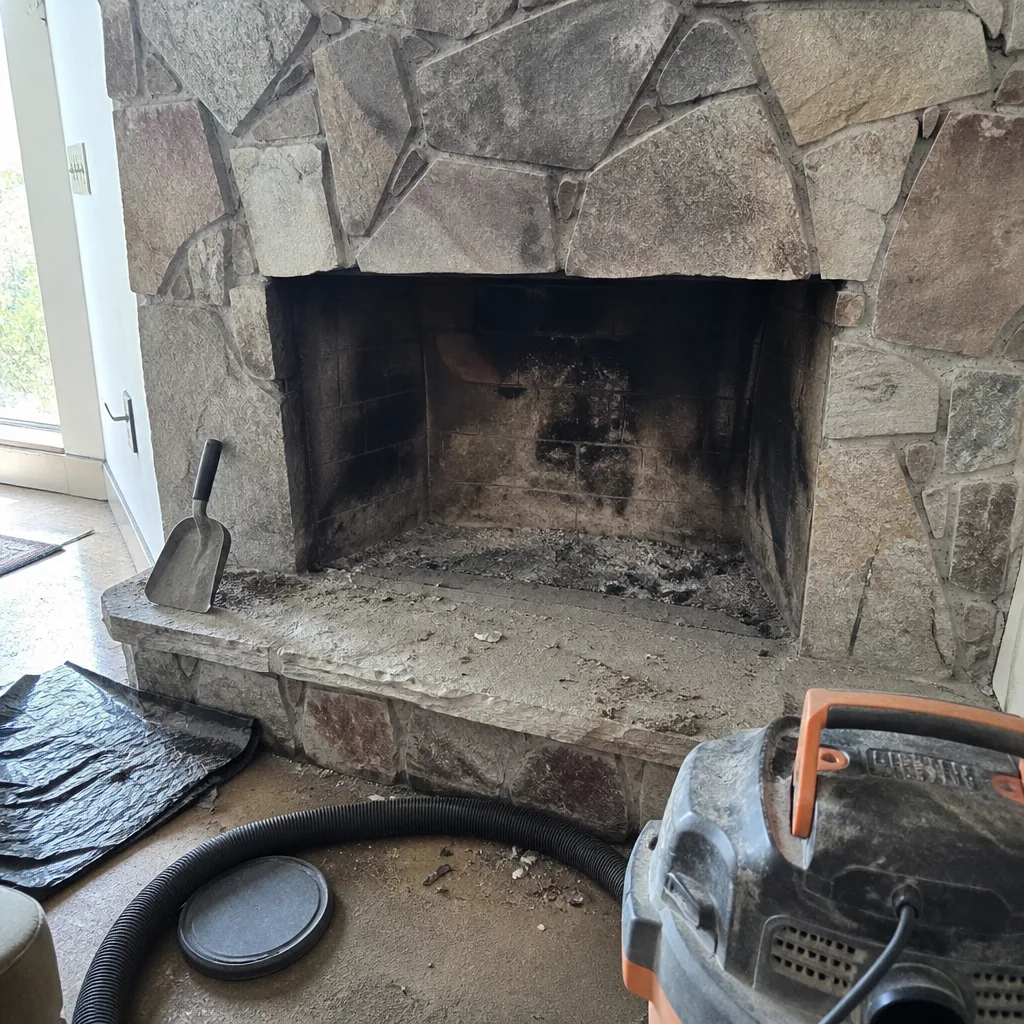
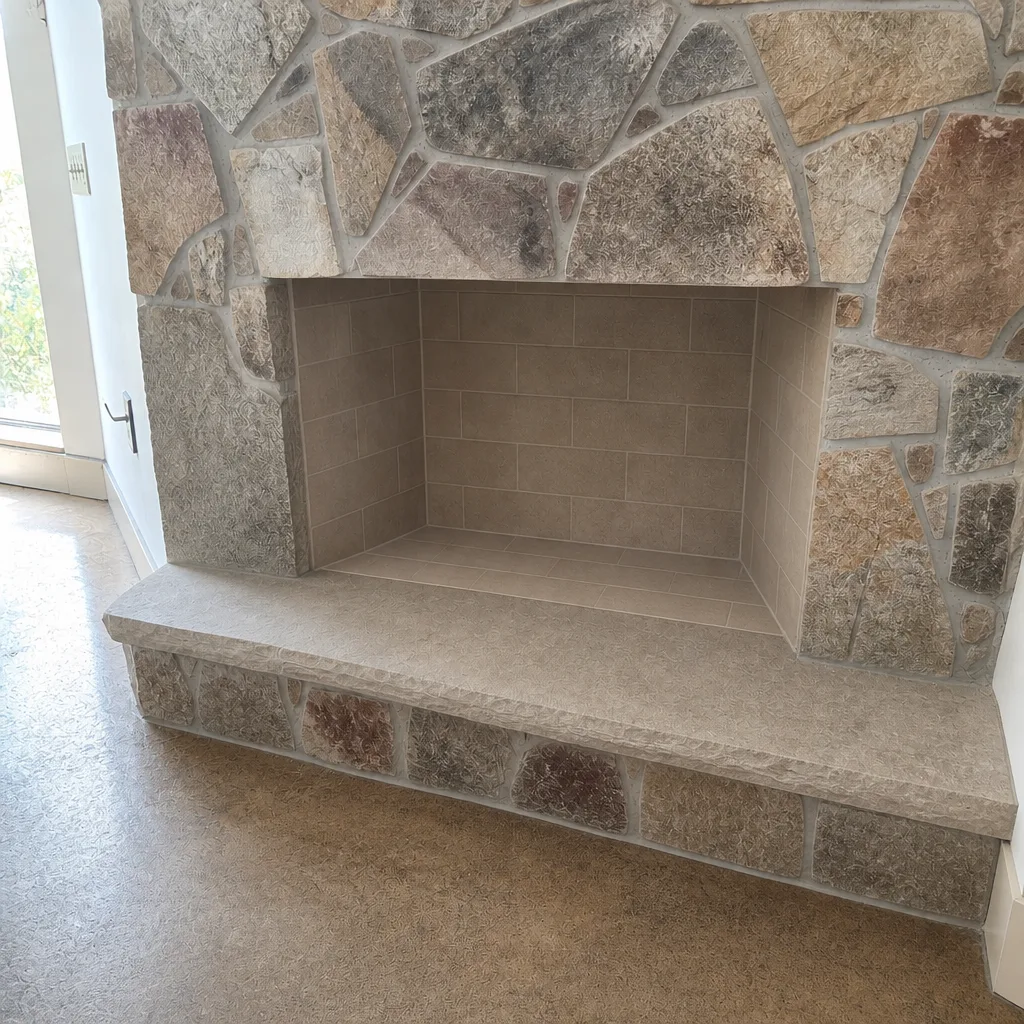
See the difference
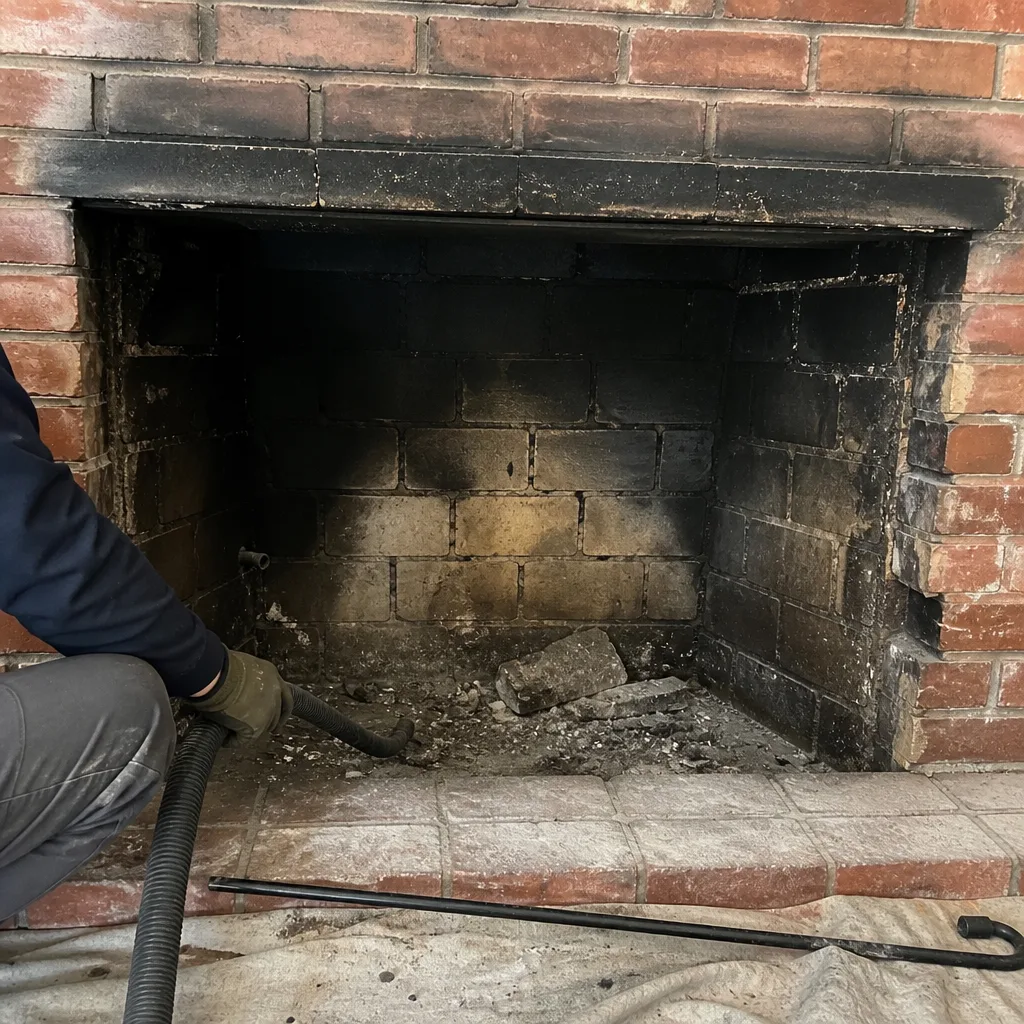 Before
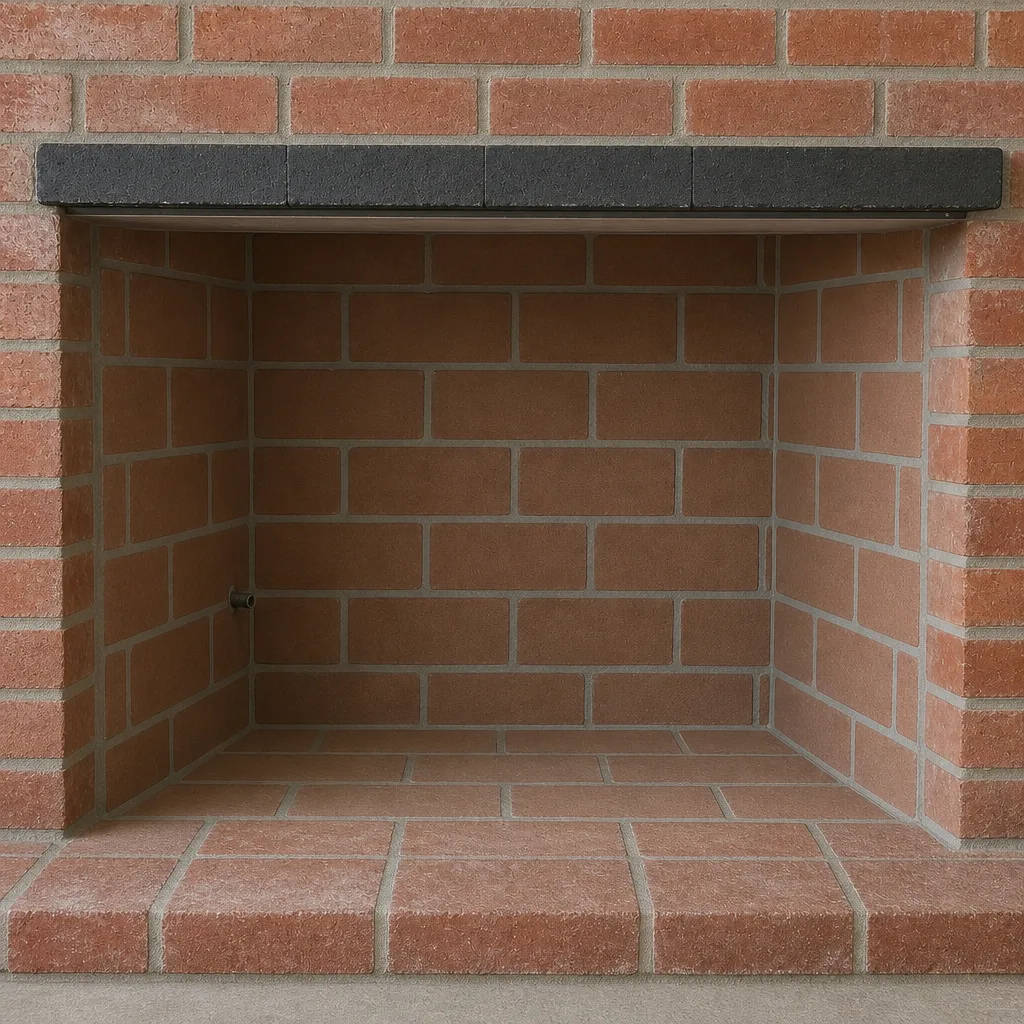 After
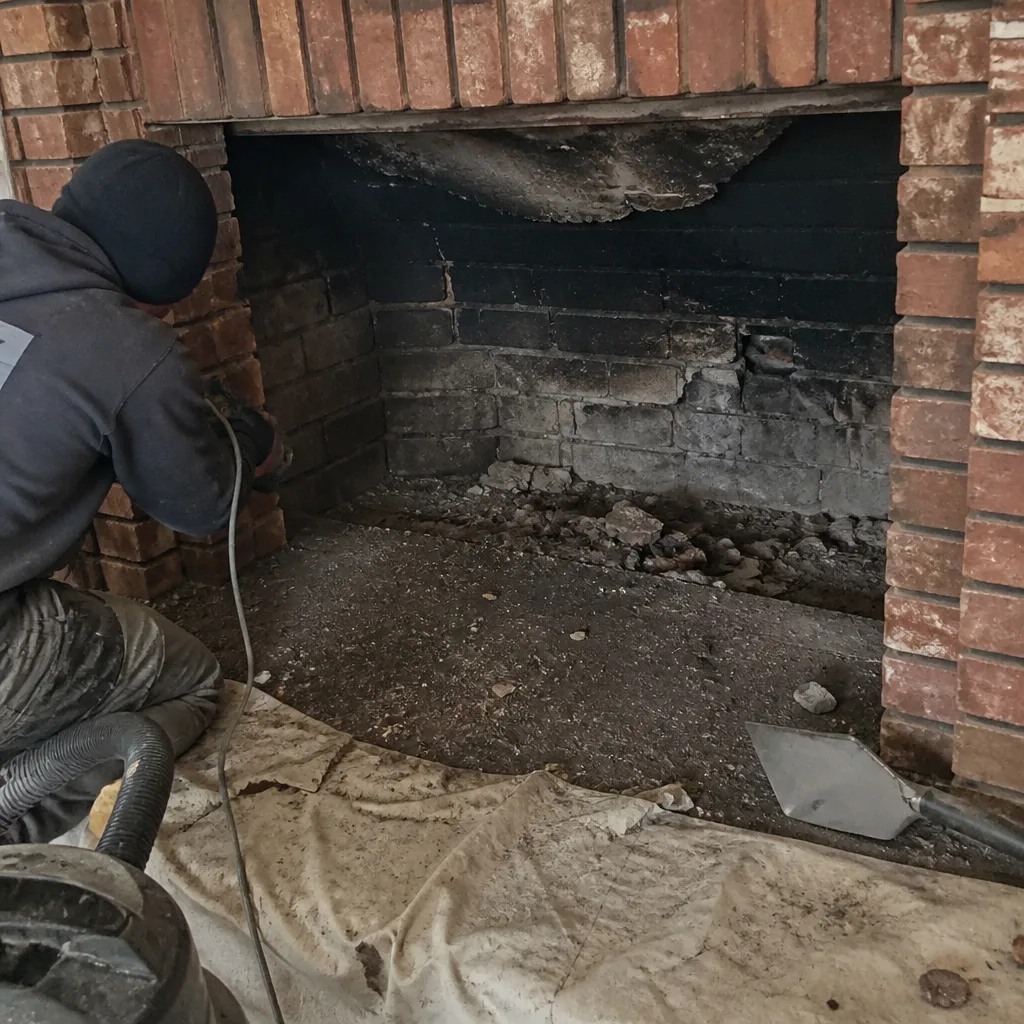 Before
 After
 Before
 After
When to Call a Professional
Call a chimney professional for anything involving the flue’s interior, the crown, the cap at height, or the masonry. Creosote removal is a job that requires the right tools and a trained sweep, and a chimney fire is a genuine safety event. Beyond the annual sweep, call when you see: a draft problem that shows up mid-season, smoke rolling into the room when you light a fire, visible soot at the damper, a cap or screen that’s damaged or missing, water stains or efflorescence on masonry, or any change in how the chimney performs. Those are the signs that something has shifted and needs eyes on it. Don’t try to correct a suspected creosote problem or a flue obstruction yourself. The risk of injury and of making the problem worse is real.
Reno Chimney Cleaning offers free estimates in Reno. We work with DuraFlex and Olympia Chimney liner systems, HeatShield resurfacing, and Copperfield and Gelco caps and rain covers, so whatever the inspection finds, we can match the right material to the job rather than forcing a single fix. Call (844) 543-7293 for an estimate. We answer 24/7. Fast dispatch from 7am to 7pm, Sunday through Friday.
Frequently Asked Questions
Once a year is the baseline for a wood-burning chimney, and we recommend scheduling it in late September or early October before the first fire. If you burn heavily through the winter, or you notice draft problems mid-season, a check partway through can make sense. Gas insert venting still needs an annual inspection even if it doesn’t need a sweep. Call (844) 543-7293 for an exact quote, and estimates are free.
Yes, because the fall inspection happens before winter stress and the spring one happens after it. Freeze-thaw cycling through Reno winters opens cracks in masonry, mortar, and crown sealant that simply weren’t there in October. A spring walk-around catches those cracks while they’re still small and cheap to seal. If everything has held up, the report is short and you know you’re in good shape. Call (844) 543-7293 to schedule a spring look, and estimates are free.
Three things, in order of how they show up. Creosote accumulates in the flue and reduces draft, then becomes a chimney fire risk. Moisture works into masonry through any crack or gap, and freeze-thaw cycling widens the cracks each winter. Cap and screen damage allows debris and animals into the flue, which can block it outright. The tricky part is that all three progress quietly, and the first sign is often a smoke-out on a cold night rather than anything you can see. Call (844) 543-7293 for an inspection if it’s been more than a season, and estimates are free.
A liner recommendation should never come without camera evidence you can see for yourself. We run a camera through the flue, photograph what it finds, and show you the photos before we recommend anything. If the liner is sound, we say so. If there’s a gap, a crack, or deterioration, you see the photo and the recommendation makes sense. When a liner does need work, we match the fix to the material: HeatShield resurfacing for some situations, DuraFlex or Olympia Chimney for full relining. Call (844) 543-7293 for an inspection, and estimates are free.
Reno’s combination of dry summers, strong spring and fall wind events like the Washoe Zephyr, and hard freeze-thaw cycling in spring produces a specific damage pattern: wind and heat damage to caps and crown sealant in summer, then freeze-thaw cracks in masonry through spring. Both happen outside the heating season, so homeowners see none of it from the firebox. That’s why we recommend more than one checkpoint on the calendar, not just one annual sweep. Call (844) 543-7293 with questions about your specific chimney, and estimates are free.
A chimney fire is when the creosote deposits inside the flue ignite. It can be dramatic, with loud roaring and visible flames or smoke from the top, or it can be quiet enough that a homeowner doesn’t notice until the next inspection. Signs a chimney fire has occurred include cracked flue tiles, warped dampers, discolored metal caps, and puffy or honeycombed creosote residue. If you suspect one has happened, stop using the fireplace and have it inspected before you light another fire. Call (844) 543-7293 to schedule an inspection, and estimates are free.
The Bottom Line
Chimney care in Reno is a year-round practice, not a yearly event. The cap and crown take their hits in summer wind and heat. The flue gets used and creosote builds through winter. Masonry and mortar take freeze-thaw damage in spring. Fall is the one narrow window that resets you clean before everything begins again. If you handle three things – a late-September sweep and inspection, a few pass-through checks through summer, and a spring walk-around on the exterior – the chimney stays out of the expensive-problem column. If you skip those, the cost moves somewhere it’s harder to control, usually a mid-winter emergency rather than a fall tune-up.
If you’re not sure where your chimney stands, an inspection with camera photos gives you a real picture of what you’re working with. We inspect before we recommend, and nothing gets suggested that you can’t see the evidence for yourself.
Call (844) 543-7293 for a free estimate. We answer 24/7. Fast dispatch from 7am to 7pm, Sunday through Friday. Our technicians have up to 10 years of experience, and we handle sweep, inspection, and repair as a single specialist service so one company sees your chimney from crown to liner across the whole year.
Written by the team at Reno Chimney Cleaning.