
Last updated November 15, 2026
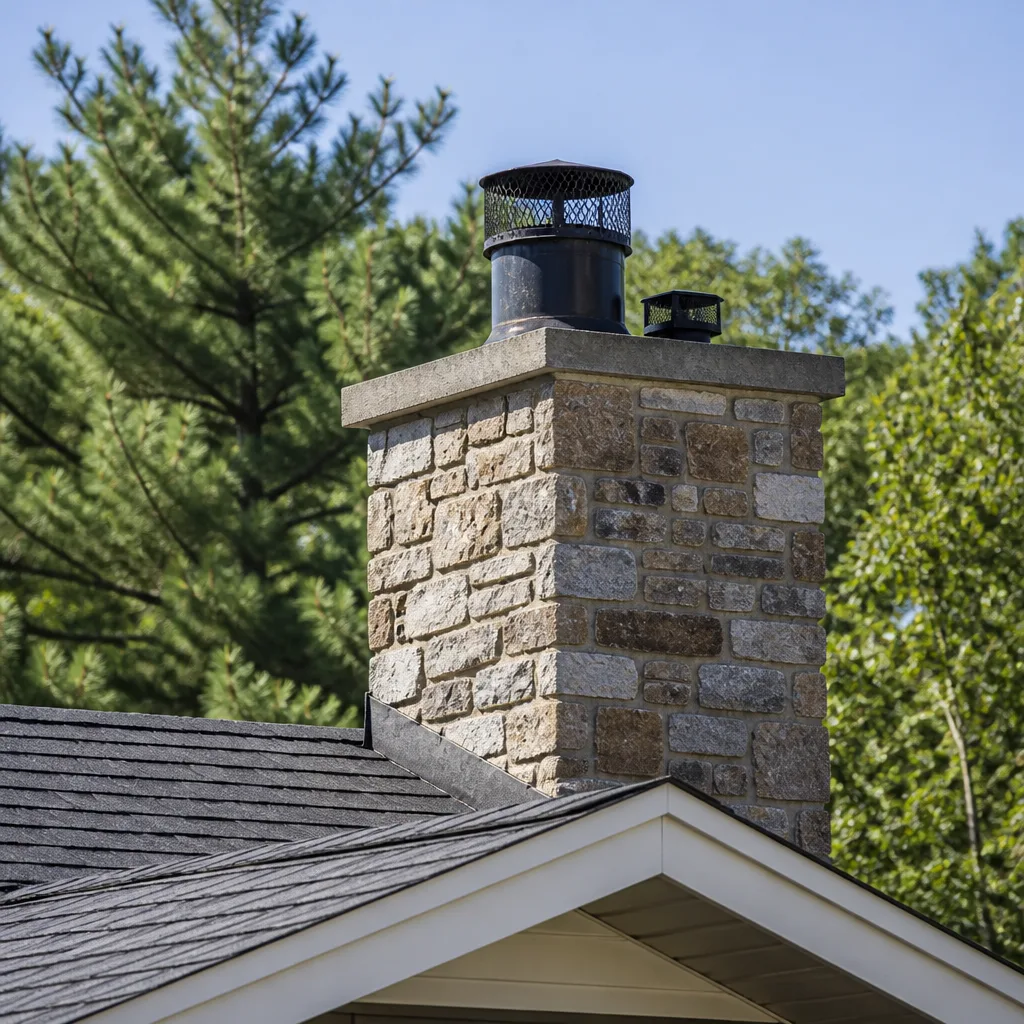 Sweep & inspection
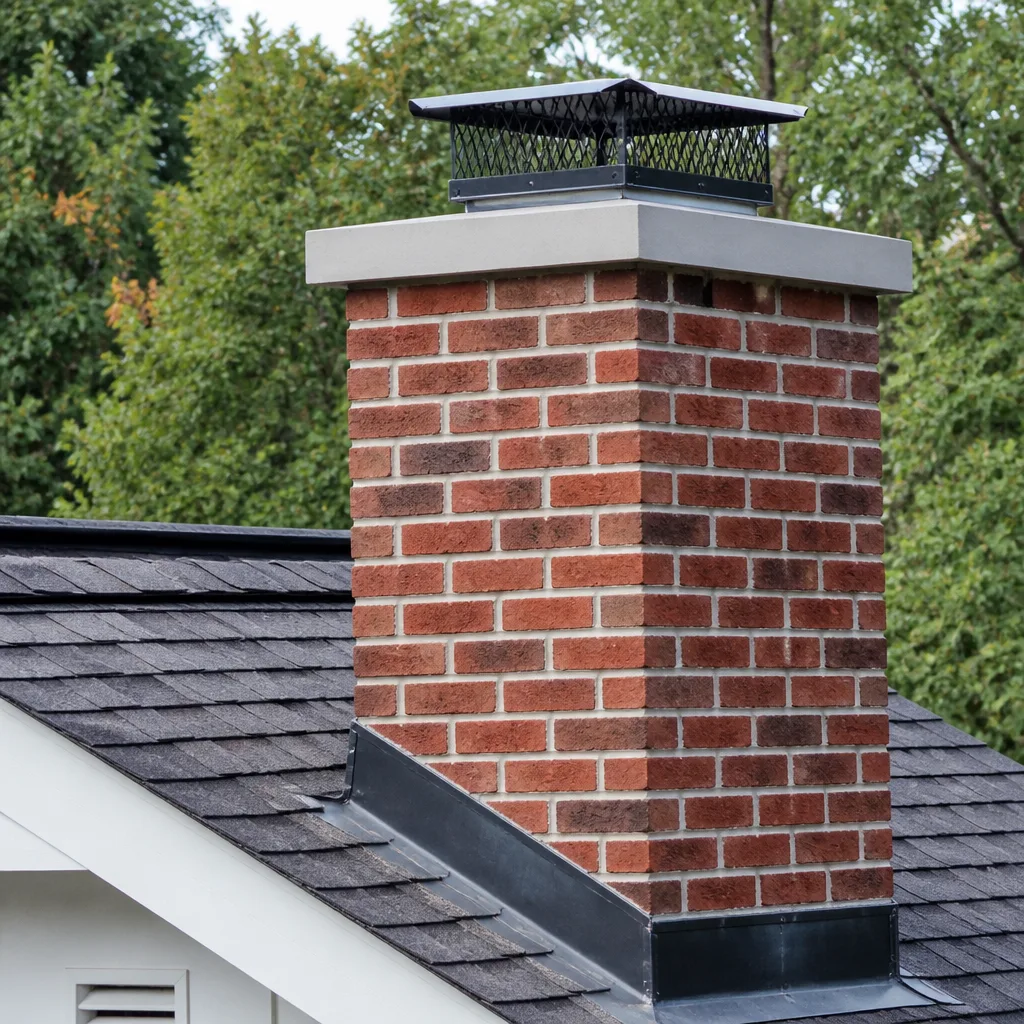 Caps & crowns
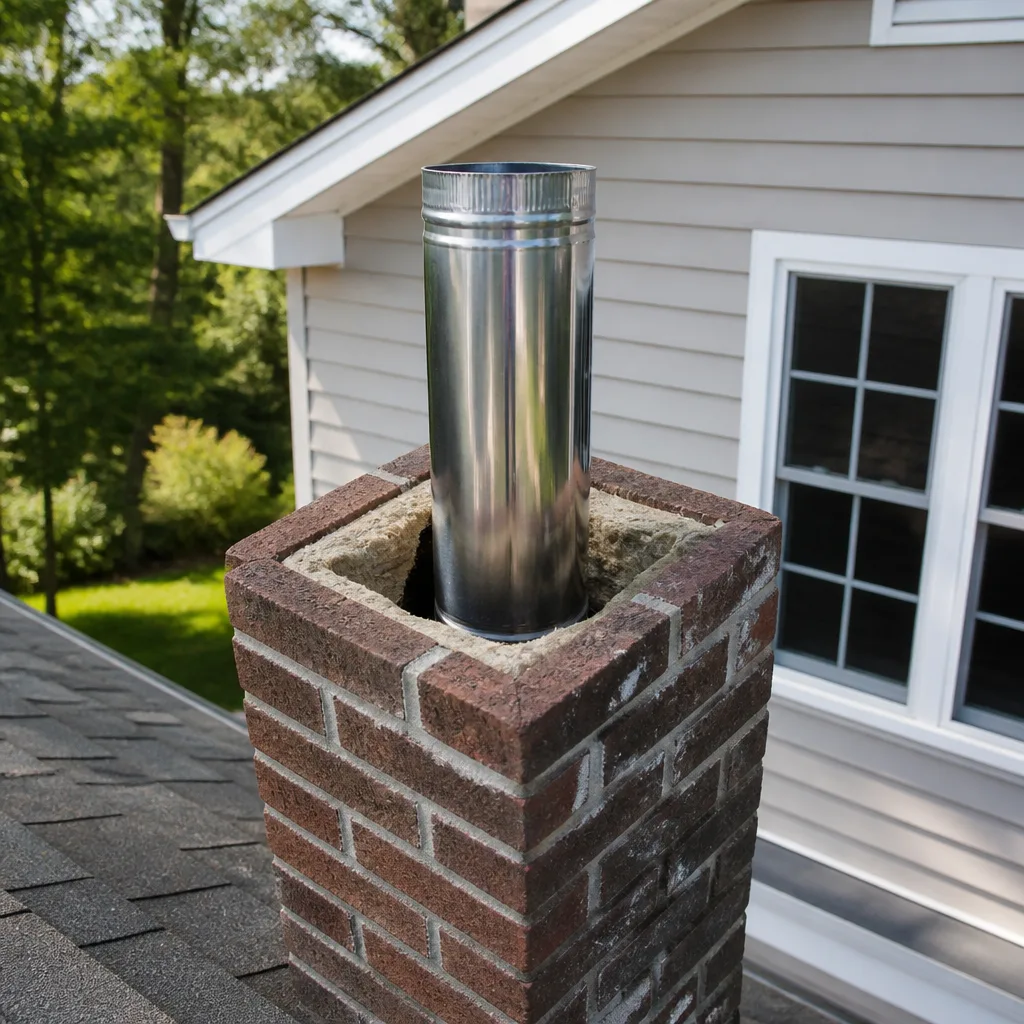 Flue relining
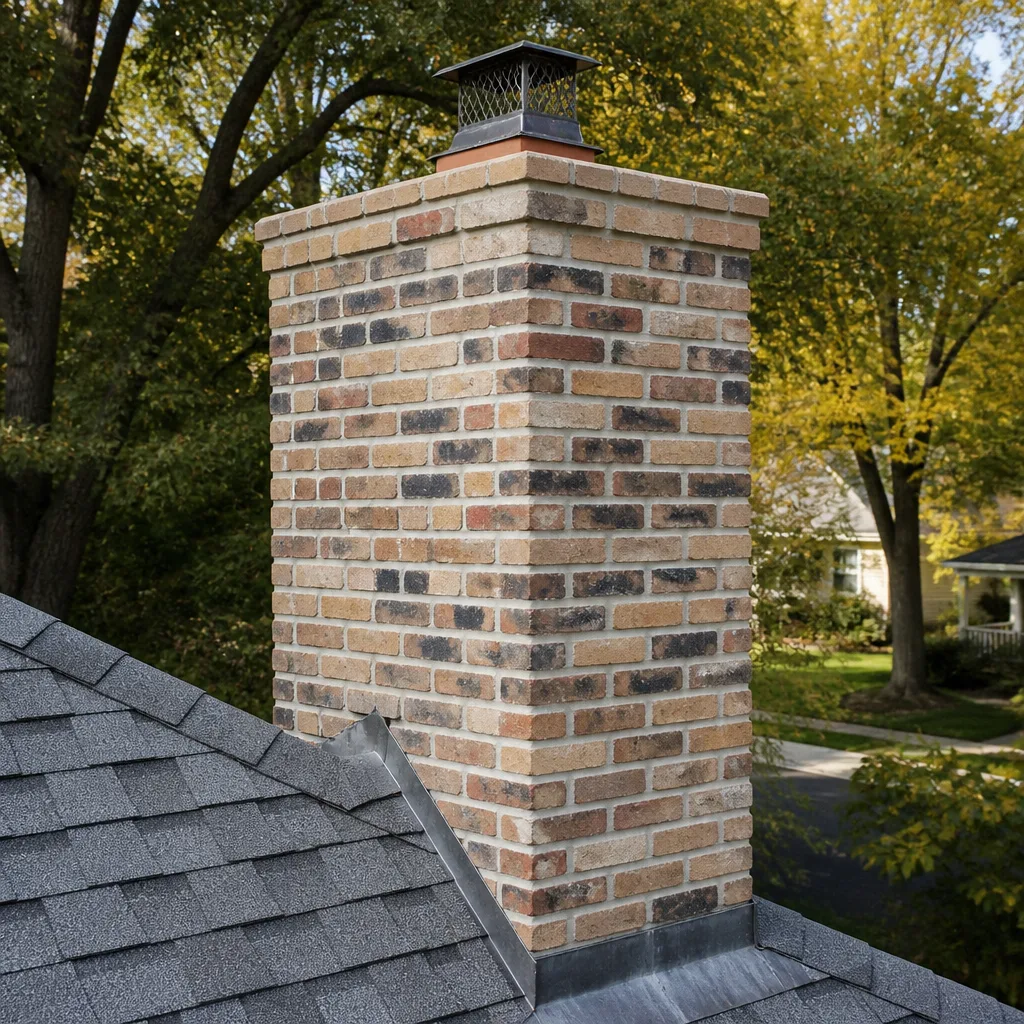 Masonry repair
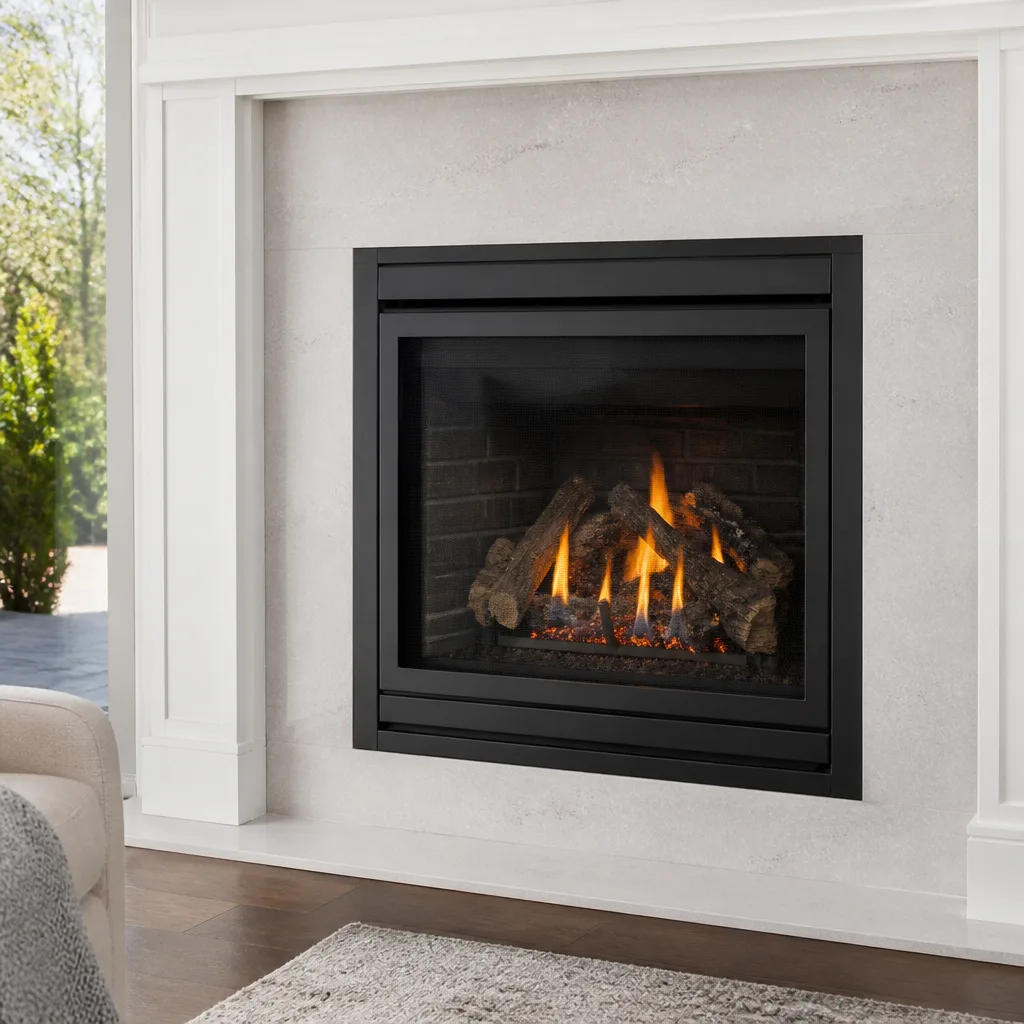 Gas fireplace service
Level 1 sweep and inspection to the NFPA 211 annual standard - flue, crown, cap, and flashing checked and photographed
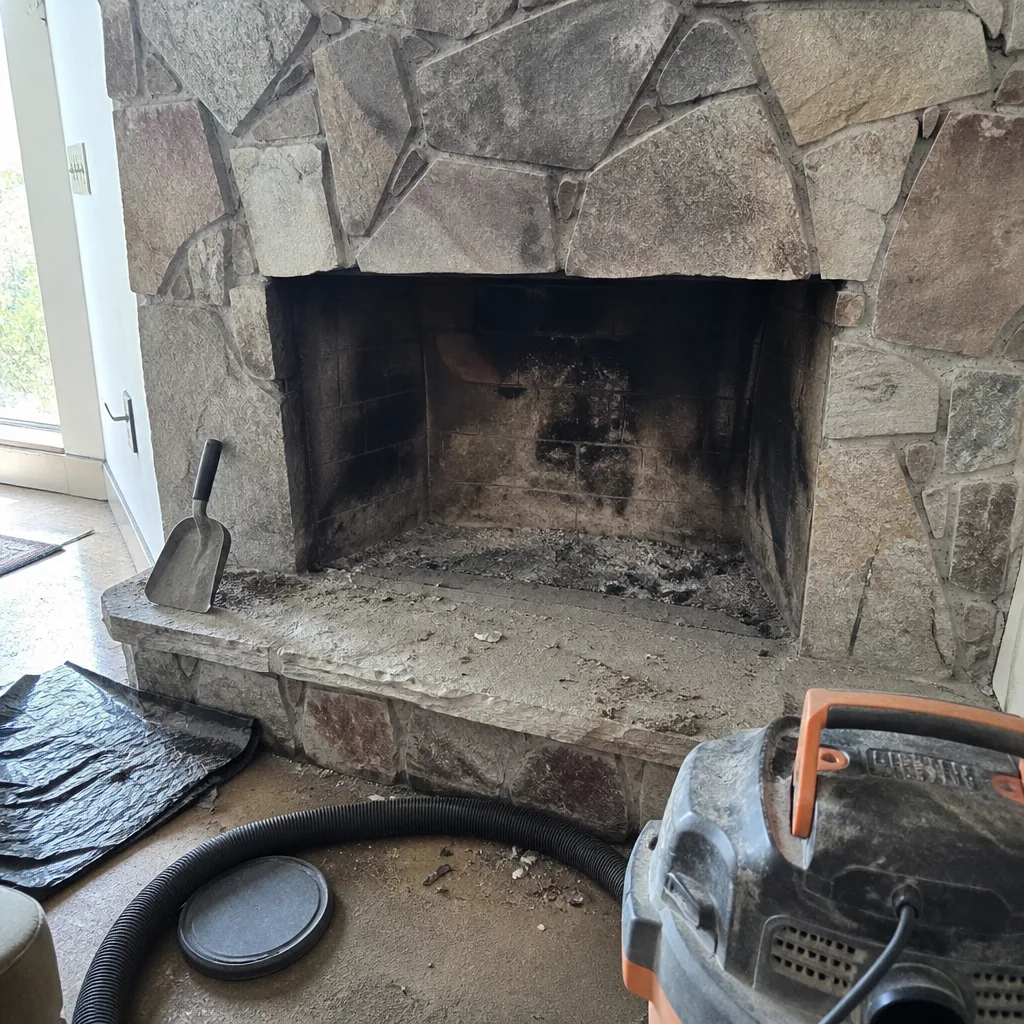
Chimney sweep logs do not sweep chimneys. They loosen some creosote - which then falls where a brush and vacuum still have to collect it.
How to Hire a Chimney Cleaning Contractor in Reno: A Step-by-Step Guide
Most people hire a chimney sweep the way they hire a gutter cleaner: they take the first name that comes up and assume the work is roughly the same no matter who does it. That assumption is where things go wrong. Chimney work is a specialist trade with its own diagnostics, its own equipment, and its own materials – and in Reno, plenty of general handymen list “chimney cleaning” as a sideline without the tools, training, or liability coverage the job actually requires. This guide gives you a concrete vetting framework so you know exactly what to ask before anyone gets on your roof.
Quick Answer
To hire a chimney cleaning contractor in Reno, verify three things before you book: current CSIA Certified Chimney Sweep credentialed staff, a valid Nevada contractor’s license for the work being quoted, and a contractor who specializes in chimney systems rather than treating the job as a sideline. Ask for a written scope of work, ask whether they use a camera to inspect the liner, and ask which product brands they use for repairs. A specialist will answer all three without hesitation.
Styles & brands we work with
- Sweep & inspection
- Caps & crowns
- Flue relining
- Masonry repair
- Gas fireplace service
Table of Contents
- Why Chimney Cleaning Is a Specialist Trade in Reno
- The Credentials to Request Before Anyone Gets on Your Roof
- Five Questions That Separate Specialists From Generalists
- What a Written Scope of Work Should Include
- Red Flags Unique to the Reno Market
- How to Compare Quotes When Bids Are Worded Differently
- What to Expect on the Day of the Sweep
- Common Mistakes to Avoid
- When to Call a Professional
- Frequently Asked Questions
Why Chimney Cleaning Is a Specialist Trade in Reno
A chimney is not a duct. It’s a pressure and draft system that has to move hot combustion gas out of your house while resisting heat, moisture, and creosote accumulation at the same time. The diagnostics that come with a real sweep – checking draft, checking creosote stage, checking the liner condition, checking the crown and flashing – take years of chimney-specific training. A roofer or a plumber can look at a chimney, but they aren’t trained to read what it’s telling them.
In Reno, that distinction matters more than in many places. Homes here burn a lot of wood through the cold months, and many fireplaces in older neighborhoods around Old Southwest and Wells Avenue were built decades ago with masonry flues that have never been properly inspected. Meanwhile, the housing stock keeps growing – newer builds in Somersett and Double Diamond often come with factory-built metal fireplaces and gas inserts, which have their own specific inspection requirements. A contractor who works on both masonry and metal systems needs the right equipment for both.
We’re specialists in the sense that chimneys are the only thing we work on. Every technician we connect you with is trained on chimney-specific diagnostics. That’s not a marketing point. It’s the reason a specialist catches things a generalist won’t.
Masonry flues vs. metal fireplaces in Reno homes
These two systems are not interchangeable, and neither are the people who service them. Masonry flues need tile condition checks, crown inspection, and creosote stage assessment. Factory-built metal fireplaces need manufacturer-specific inspection and parts that match the original system. If your contractor can’t tell you which type of system you have after a site visit, that’s a signal your chimney is in the hands of someone who treats it as a side job.
The Credentials to Request Before Anyone Gets on Your Roof
Here’s the part that catches a lot of homeowners off guard: CSIA certification is the industry benchmark for chimney sweeps, but it is not automatically required to operate in Nevada. That means unlicensed, undertrained operators can and do take jobs in Reno without consequence. The verification burden is on you.
Ask for three credential items up front:
- CSIA Certified Chimney Sweep status – the Chimney Safety Institute of America credential is the recognized industry benchmark. Ask for the certified sweep’s name and confirm the certification is current.
- NFI certification – the National Fireplace Institute certifies technicians for gas, wood, and pellet appliance work specifically. If you have a gas insert, this is the credential that matters most.
- A valid Nevada contractor’s license with the correct classification – the classification has to match the work being quoted. A license for painting or handyman work does not cover a chimney relining project.
Also ask for proof of liability insurance before anyone goes on your roof. This is a routine request from a legitimate contractor and an uncomfortable one from an illegitimate one. A contractor carrying real coverage won’t hesitate to send a certificate.
Why “licensed and insured” isn’t enough by itself
Anyone can say they’re licensed and insured. What you want is proof of a current license with the correct classification and a current certificate of insurance. If a contractor can’t produce that within a day or two of asking, that’s the answer you needed before the job started. In our experience, the specialists are the ones who have the documentation ready to go.
Five Questions That Separate Specialists From Generalists
You can learn almost everything you need to know about a chimney contractor with five questions. Ask them before booking. The answers – and how quickly they come – tell you whether you’re talking to a specialist or someone guessing their way through.
- “Do you use a camera to inspect the liner?” A real chimney specialist has a video camera built for flue inspection and uses it on practically every job. A generalist doesn’t own one. The answer to this question alone filters out most of the field.
- “Can you tell me which stage of creosote you’re seeing and why it matters?” Creosote goes through three recognized stages – stage 1 is a flaky soot deposit, stage 2 is a glazed and hardened deposit that requires more work to remove, and stage 3 is a thick, hardened glaze that may indicate a chimney fire has occurred. A specialist can describe the stage and what it means for your flue. A generalist will say “it’s dirty.”
- “Which product brands do you use for liner and cap work?” A specialist uses named, professional-grade products – HeatShield for liner resurfacing, Olympia Chimney or DuraFlex for full relining, Gelco and Famco for caps and dampers. If the answer is “whatever’s available” or a shrug, the repair recommendations that follow won’t be based on what your chimney actually needs.
- “What’s the written scope of work going to include?” A specialist will describe an itemized scope before booking. A generalist will say “we’ll just take care of it.”
- “Can you show me photo documentation of what you found?” Camera inspection plus a photo report is standard practice for a real chimney company. If a contractor won’t put photos in front of you, you have no way to independently verify that the recommended work is actually necessary.
Anyone can pass two or three of these. The specialists pass all five, and they answer without pausing.
Why the liner camera question matters most
Liner condition is the single most important thing a chimney inspection evaluates, and a visual inspection from the top of the flue can’t see what a camera can. Without a camera, the contractor is guessing – and guesses tend to swing toward “you need a new liner” when someone is selling liner work. Insist on a camera. Every time.
What a Written Scope of Work Should Include
A written scope of work isn’t paperwork theater. It’s the document that tells you exactly what will be done, with what materials, and at what price. If a contractor is reluctant to put it in writing, that discomfort is telling you something about their confidence in the job.
A proper scope of work should include:
- What level of sweep is being performed – standard, with camera inspection, or with additional repairs. The scope should name it.
- Whether a camera inspection is included and whether a photo report will be provided after.
- The creosote stage identified and how it’s being removed – different stages require different tooling and time.
- Any repair work listed as separate line items with the specific materials to be used. “Liner replacement” is too vague. “HeatShield resurfacing of the flue in the middle third, evaluated for full reline” tells you what’s actually happening.
- The stated price for each line item, not just a total.
- What’s NOT included – the honest scopes list exclusions.
Vague language in a scope is a warning. “Clean and inspect chimney” with no detail about camera work, creosote stage, or photo reporting usually means the contractor is either unsure what the job will require or is planning to expand the scope once they’re on the roof.
Signed, dated, priced
The final scope should be signed by the contractor and dated before any work starts. The written estimate sets the price. Anything that comes up afterward – a hidden liner issue, a damaged crown – should be a separate written scope with its own price.
Red Flags Unique to the Reno Market
Chimney work in Reno has some local quirks you won’t read about in generic chimney guides. Watch for these.
Out-of-state contractors arriving after high-fire seasons
After a heavy fire season in the Sierra, it’s not unusual for out-of-area contractors to move through the region offering chimney sweeps and repairs. Some are legitimate. Many aren’t. Ask for a local Nevada contractor’s license number and verify it. Ask for a local phone number with a functioning address. Ask whether they carry liability insurance that works in Nevada. The ones who are real will answer all three without hassle.
Door-to-door pricing that skips inspection
A contractor who quotes you a chimney sweep from the driveway, without getting on the roof and without running a camera, is quoting a number they can’t possibly know. The price for a sweep depends on creosote buildup, flue condition, and access. Any contractor who names a price before a site visit is either planning to change it or isn’t planning to do the work at all.
Verbal-only recommendations
If a contractor says “you need a new liner” without showing you a camera image, you have no evidence. Get the photo report. Every recommendation should be supported by a specific image you can see yourself. That’s how we inspect before we recommend – nothing is suggested without camera evidence you can look at.
Skipping the estimate
A free written estimate is standard for chimney work in Reno. If a contractor wants to charge you a service call fee to look at your chimney before quoting the work, that’s the exception, not the rule. The written estimate is the contract.
How to Compare Quotes When Bids Are Worded Differently
The hardest part of hiring a chimney contractor isn’t finding one. It’s comparing quotes that are written in completely different language. One contractor says “sweep and inspect, $240.” Another says “Level 2 inspection with camera and photo report, standard clean included, $380.” Which one is actually the better deal? You can’t tell until you line up the line items.
The fix is to normalize the bids before you compare the totals. Ask each contractor to confirm the following, in writing, and put the answers side by side:
- Is a camera inspection included, or is it an add-on?
- Which inspection level applies (Level 1, 2, or 3)?
- Is a photo report provided, and do you receive copies?
- Is the creosote stage being documented?
- What are the line items for repair work, and what specific products are named?
- Is the price fixed by the written estimate, or does it change based on what’s found?
Below is a rough comparison of what typical chimney service categories look like in the Reno market. These are estimates, not quotes. The written estimate sets the final price.
- Standard chimney sweep with visual check: typically in the $180 – $280 range.
- Sweep plus Level 2 camera inspection with photo report: typically $250 – $380.
- Crown repair or cap replacement: depends on extent; material-specific and quoted per job.
- HeatShield liner resurfacing: quoted per flue length and condition.
- Full reline with DuraFlex or Olympia Chimney system: quoted per flue length and appliance type.
- Setup and protection. Drop cloths go down. The work area is sealed with a vacuum designed to catch soot. If the contractor shows up without protective equipment, that’s not a professional job.
- Sweep. The flue is brushed from the top down to the firebox, or firebox up if access requires it. Standard rods, rotary tools for hardened deposits.
- Camera inspection. The camera goes up the flue, and the technician watches for cracks, gaps, and offset joints in the liner.
- Creosote staging. The technician identifies the creosote stage and documents what needs additional attention.
- Exterior check. Crown, flashing, cap, and damper are evaluated for weather damage and draft issues.
- Photo report and walk-through. You should get documentation of what was found and a clear written explanation of any recommendations.
- Hiring on price alone. A lowball bid on a sweep is usually a bid that skips the camera, skips the photo report, and treats the visit as a sales call. The comparison isn’t $200 vs. $340. It’s “did anyone actually inspect the liner” vs. “nobody did.”
- Skipping the license check. CSIA certification is the industry benchmark, but it’s not automatically required to operate in Nevada. Verify a current Nevada contractor’s license with the correct classification before booking.
- Accepting a verbal recommendation without photos. If someone tells you the liner needs replacing, ask to see the camera image. Every recommendation should be tied to evidence you can look at.
- Hiring a general handyman as a sweep. Chimney cleaning looks simple. It isn’t. The diagnostics are chimney-specific, the equipment is chimney-specific, and the liability question is real. A generalist treating your chimney as a side job is a generalist who hasn’t done the training.
- Booking without a written scope. Verbal scopes drift. “We’ll take a look” becomes “we found three things wrong and it’ll be $1,600.” The written scope locks in what’s actually being done.
- Waiting until burn season to book. Reno gets busy in fall when everyone remembers their fireplace. Booking a chimney sweep before the season starts means more scheduling flexibility and fewer rushed visits.
- Ignoring anything a camera found last year. A cracked liner doesn’t fix itself. Documentation from a prior inspection is useful context for the next one – and it’s also proof if a contractor is tempted to expand the scope.
- You haven’t had the chimney swept in over a year of regular use, or you’ve burned more than a cord of wood since the last sweep.
- You’ve had a chimney fire – even a small one that went out on its own. Any chimney fire requires inspection, regardless of what the fire department said.
- You notice smoke backing into the room, a draft that feels off, or soot falling from the chimney.
- You’re moving into a home in Reno and don’t have documented service history for the flue.
- You’ve switched appliance types – from wood to gas, or the reverse – and the flue hasn’t been evaluated for the new appliance.
- You see visible damage to the crown, cap, or masonry exterior.
When comparing two bids that look different, the question to ask is whether they’re describing the same work. A $240 sweep without a camera is not the same service as a $340 sweep with a camera. Treat them as different products before choosing the less expensive number.
What to Expect on the Day of the Sweep
A professional chimney sweep in Reno is roughly a 90-minute process, longer if the creosote is advanced or there’s repair work in scope. Knowing what a typical visit looks like helps you recognize when something feels off.
A good visit follows a predictable pattern:
If any of that gets skipped, you’re within your rights to ask for it. Especially the camera and the photos. Those are the two things that prevent a chimney sweep from becoming an expensive sales visit.
What you shouldn’t expect
You shouldn’t expect a price change without a new written scope. You shouldn’t expect a recommendation without a photo. And you shouldn’t expect anyone to sell you a liner replacement on a flue that hasn’t been inspected. If any of those things happen, ask the contractor to put it in writing and then decide.
Common Mistakes to Avoid
When to Call a Professional
Some chimney issues can wait. Others can’t. Call a professional when:
If you’re not sure whether your issue is urgent, a phone call is the right answer. Reno Chimney Cleaning offers free estimates in Reno. Call (844) 543-7293. We answer 24/7. Fast dispatch from 7am to 7pm, Sunday through Friday. If you’re outside those dispatch hours, we’ll book you into the next opening.
For visible damage to the crown, cap, or masonry, the right specialist is one who works on chimney repair – which is a different scope from a sweep, and should be quoted separately.
Frequently Asked Questions
A standard chimney sweep in Reno typically runs $180 – $280, and a sweep with a Level 2 camera inspection and photo report typically runs $250 – $380. Repair work – crown repair, liner resurfacing, cap replacement – is quoted per job based on what’s actually found. The written estimate sets the final price. Call (844) 543-7293 for an exact quote – estimates are free.
CSIA certification is the industry benchmark, but it’s not automatically required to operate in Nevada – which means the verification burden is on the homeowner. Ask for a current CSIA Certified Chimney Sweep credential and a valid Nevada contractor’s license with the correct classification for the work being quoted. If a contractor can’t produce both, that’s your answer.
A chimney used regularly for wood burning should be swept once a year. If you burn heavily through the season, you may need it more often – the creosote accumulation rate depends on wood type, appliance, and burn habits. Gas appliances need annual inspection but less frequent cleaning. The camera inspection is what tells you whether the schedule needs to be adjusted.
Only if a camera inspection shows one is actually necessary. A liner recommendation without photo evidence is a recommendation you should not act on. Ask to see the camera image, ask what specifically the liner is failing on (cracks, gaps, offset joints, deterioration), and ask what the alternative is. HeatShield liner resurfacing is appropriate for some scenarios; a full reline with DuraFlex or Olympia Chimney is appropriate for others. The right answer depends on what the camera actually found.
Creosote accumulates. At some point it reaches a stage where a hot ember can ignite it, and that’s a chimney fire. A neglected flue also restricts draft, which can push carbon monoxide back into the living space instead of venting it out. That’s the real reason for annual service – not the soot, the safety. Call (844) 543-7293 to schedule an inspection – estimates are free.
Ask the contractor for their Nevada contractor’s license number and the classification it’s issued under, then verify it against the state licensing board’s public lookup. The classification has to match the work being quoted – a general handyman classification is not the same as a specialty classification for chimney relining. Ask for a certificate of liability insurance at the same time; both requests are routine for a legitimate contractor.
The Bottom Line
Hiring a chimney contractor in Reno comes down to three things: verify the credentials (CSIA Certified Chimney Sweep and a valid Nevada contractor’s license with the correct classification), ask the five questions that separate specialists from generalists, and insist on a written scope of work with a camera inspection and photo report. The written estimate sets the price. Any recommendation should be tied to evidence you can look at – and if it isn’t, you’re within your rights to walk away. We work with professional-grade materials from HeatShield, Olympia Chimney, Gelco, and Famco because the products matter as much as the process. If you want to talk through your chimney, call us.
For homeowners across Reno, the right contractor is the one who can tell you exactly what your chimney needs and exactly why – in writing, with photos, before any work starts. That’s the standard. Anything less is a sweep you’ll regret.
To schedule a free estimate or a same-day visit, call Reno Chimney Cleaning at (844) 543-7293. We answer 24/7. Fast dispatch from 7am to 7pm, Sunday through Friday. Our technicians have up to 10 years of experience, and every recommendation comes with camera evidence you can see for yourself.
Written by the team at Reno Chimney Cleaning.
See the difference
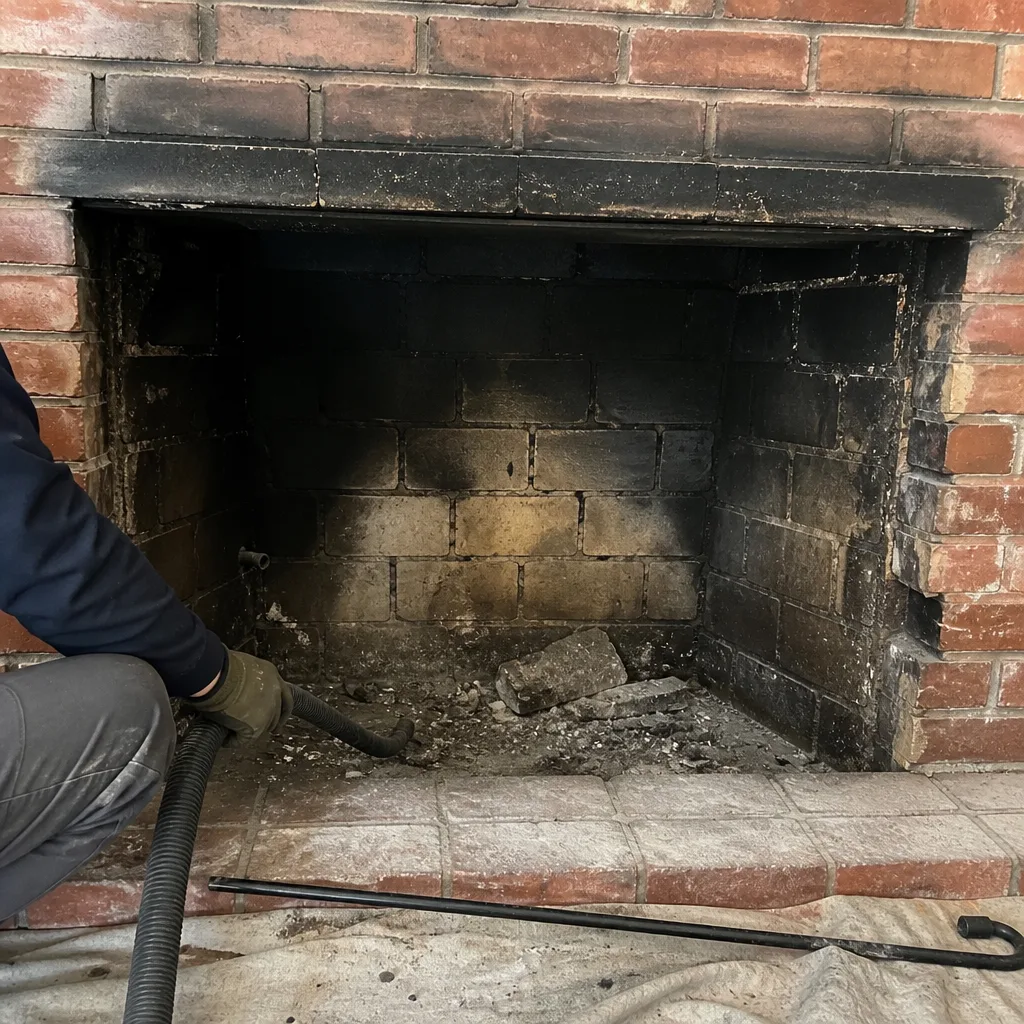 Before
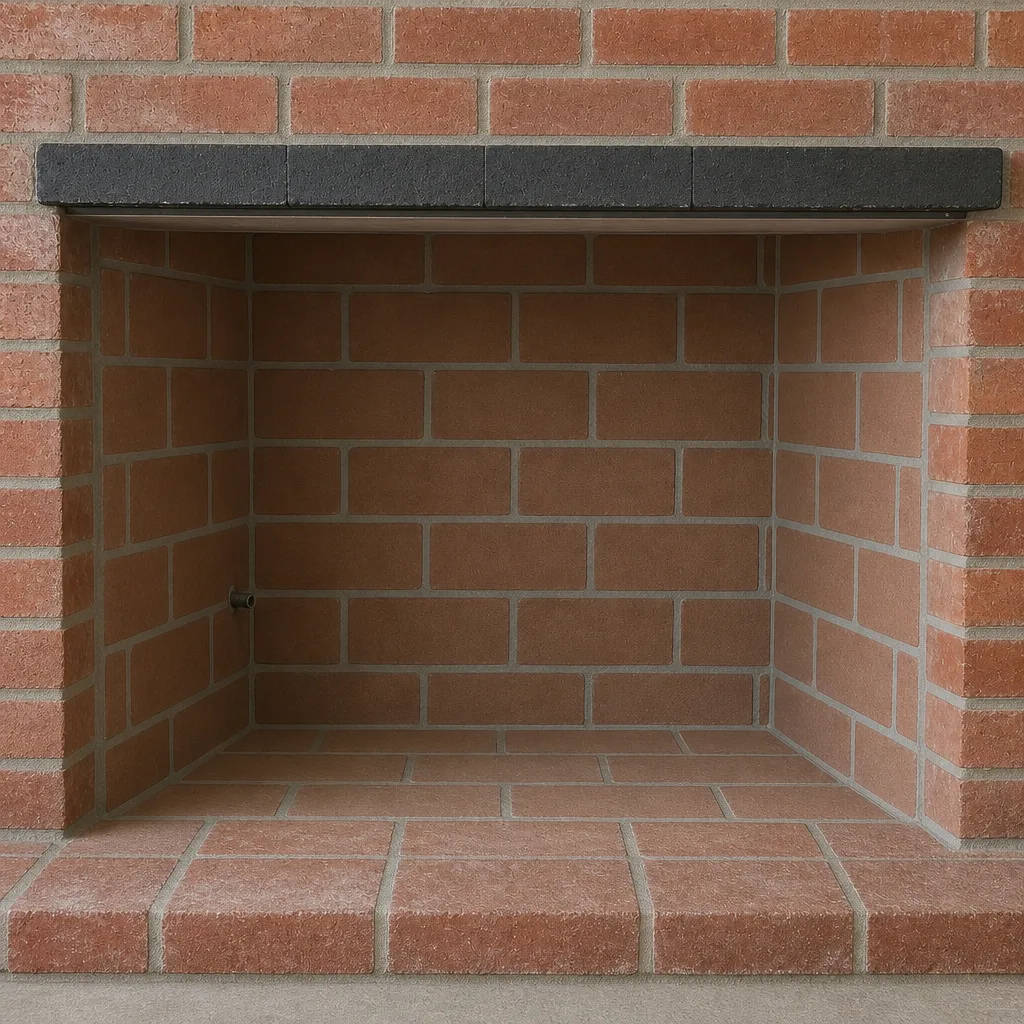 After
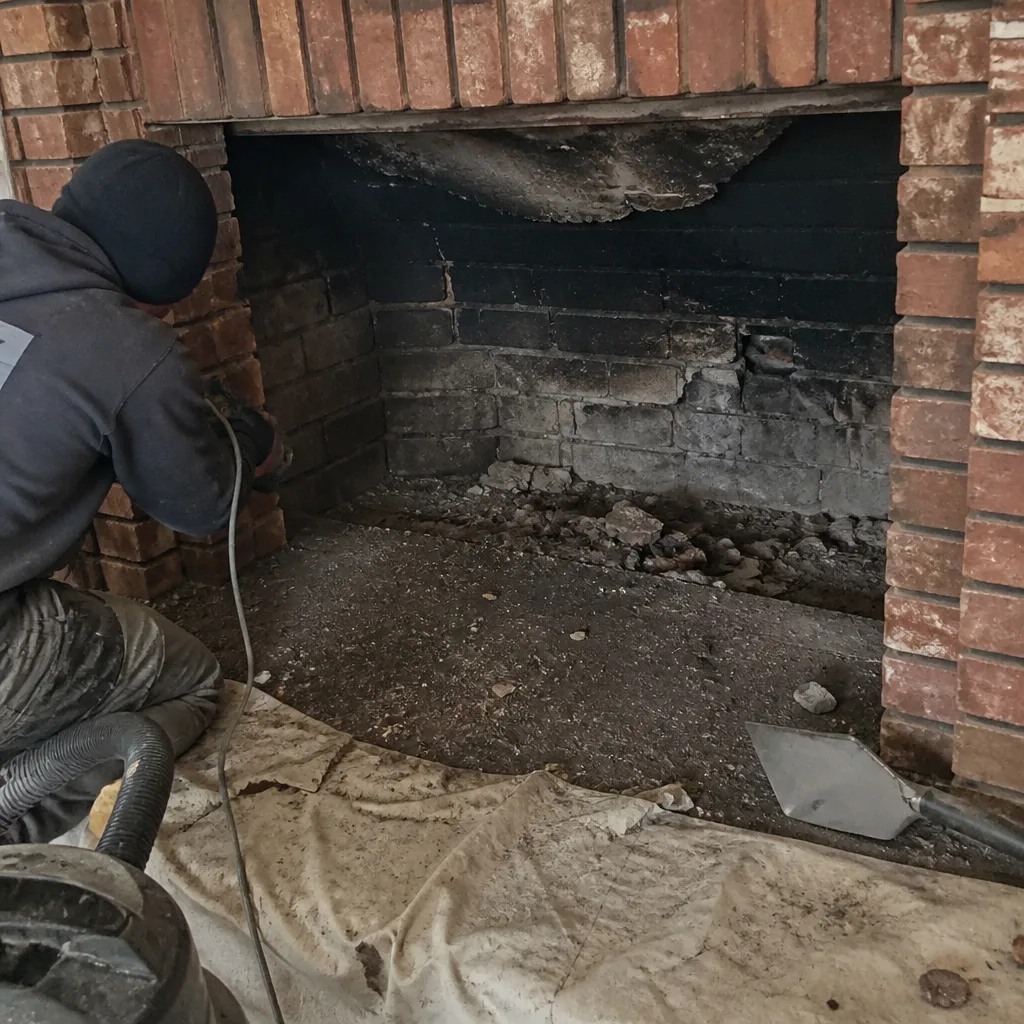 Before
 After
 Before
 After