
Last updated November 15, 2026
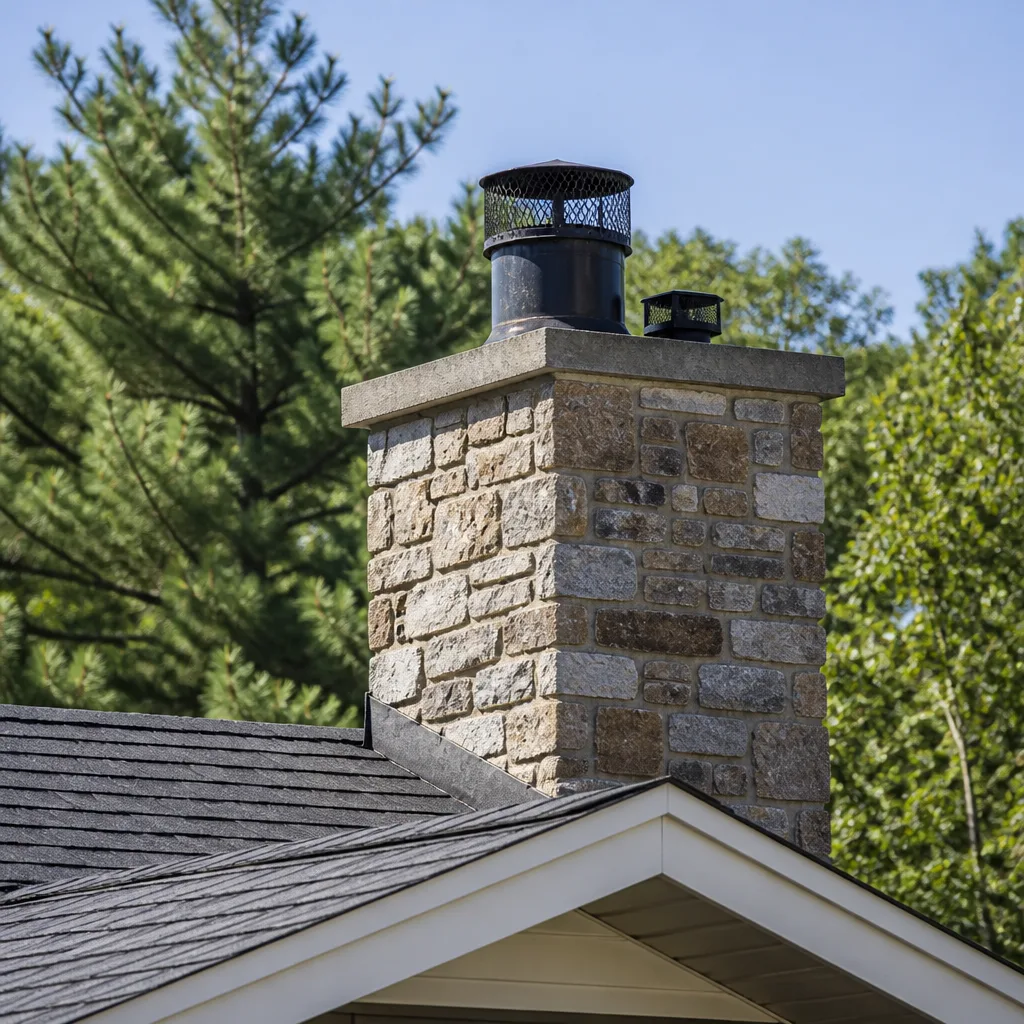 Sweep & inspection
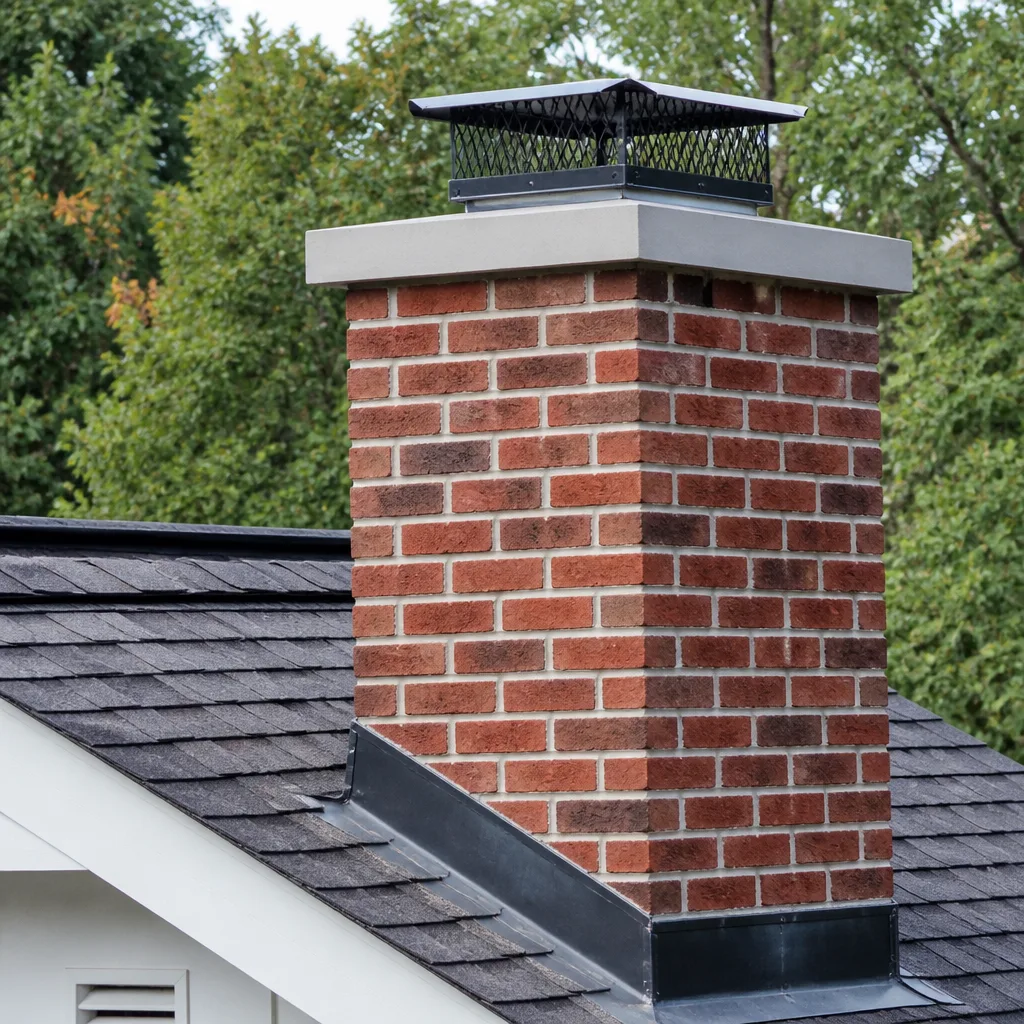 Caps & crowns
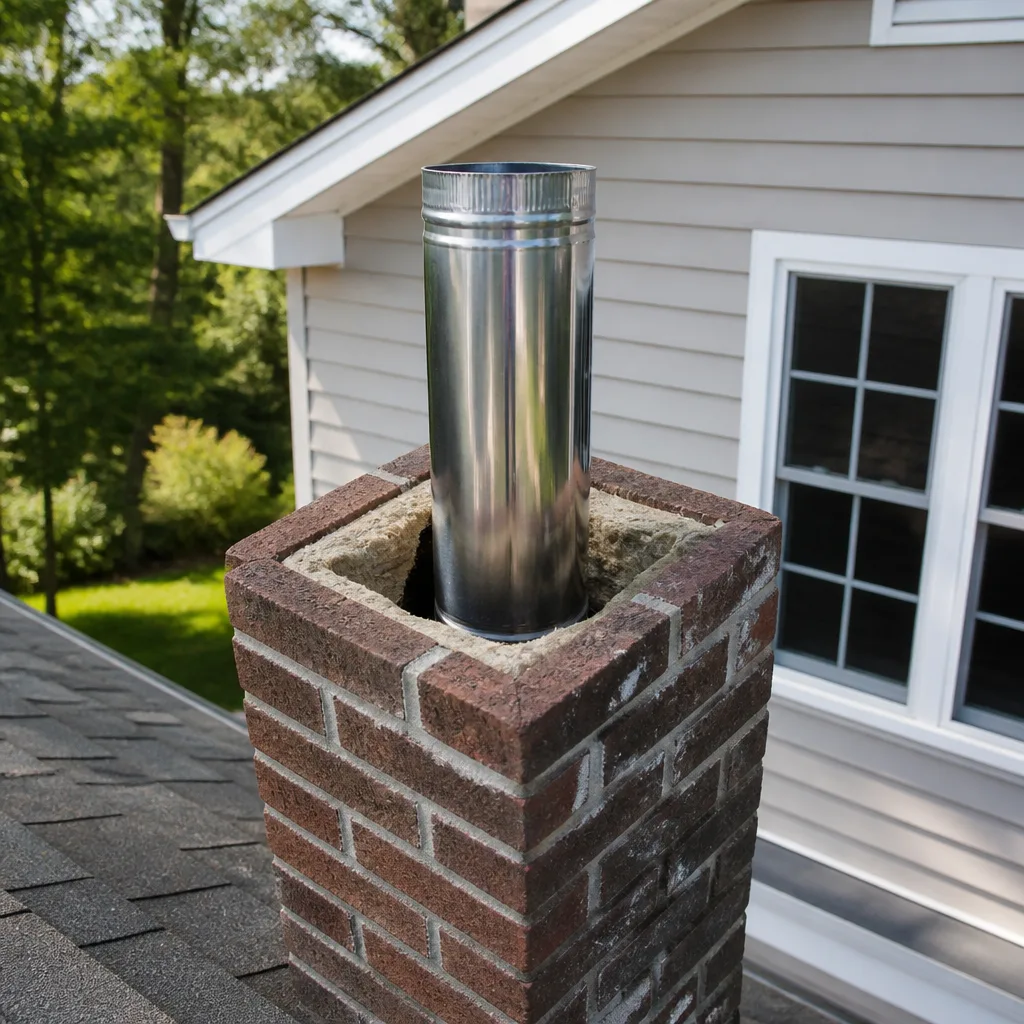 Flue relining
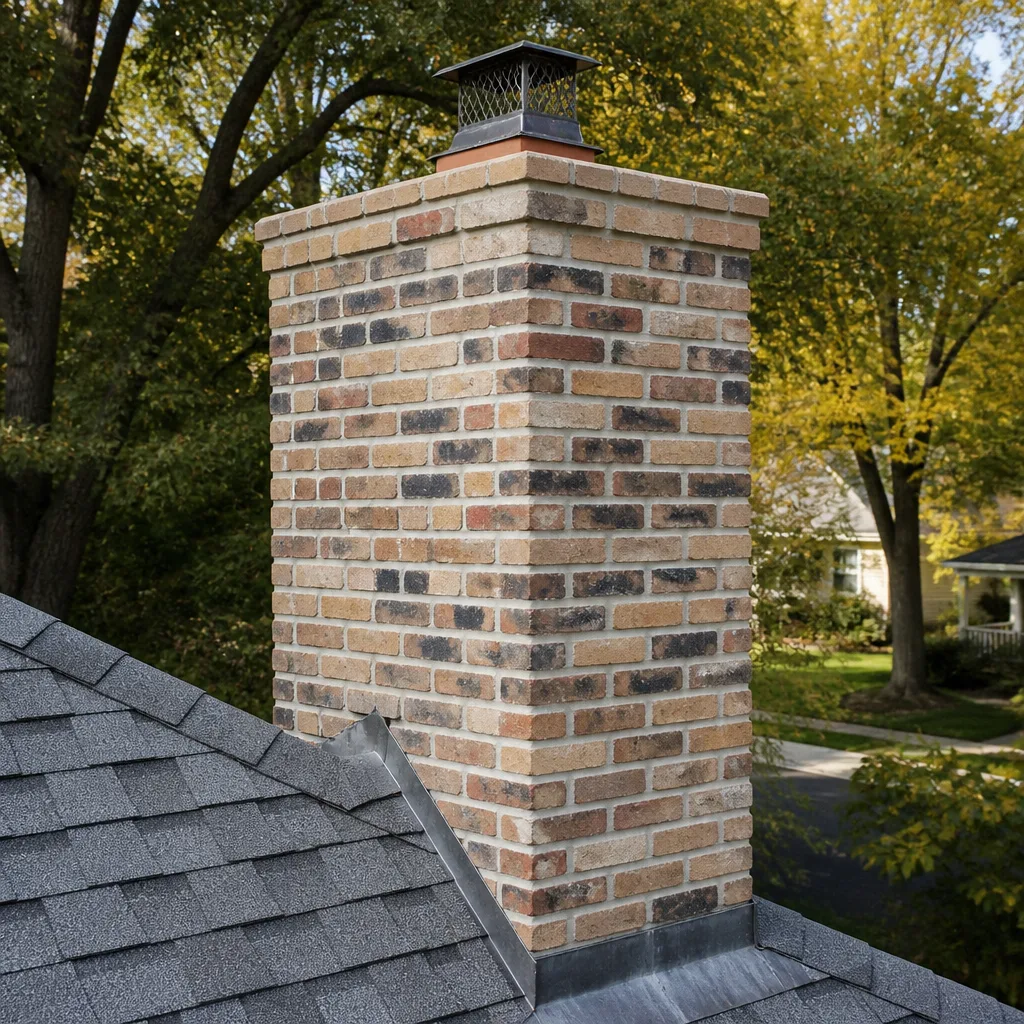 Masonry repair
 Gas fireplace service
Level 1 sweep and inspection to the NFPA 211 annual standard - flue, crown, cap, and flashing checked and photographed
Chimney sweep logs do not sweep chimneys. They loosen some creosote - which then falls where a brush and vacuum still have to collect it.
DIY vs Professional Chimney Cleaning: The Reno Homeowner’s Decision Guide
Chimney brush kits are widely sold at hardware stores, and plenty of Reno homeowners have one in the garage. Here’s what the packaging doesn’t tell you: those kits are designed to clean the flue, and that’s it. They do nothing for the smoke chamber, the smoke shelf, or the firebox interior. A DIY sweep leaves three of the five dirtiest areas of your chimney untouched. This guide doesn’t default to “always call a pro.” It draws the line where DIY stops being a reasonable choice and starts creating liability, so you can look at your own chimney and make a straight decision.
Quick Answer
DIY chimney cleaning can handle light surface soot in the firebox, debris removal at the base, and cleaning the cap, but it cannot safely or effectively clean the smoke chamber and smoke shelf, remove stage-two or stage-three creosote, or inspect the liner. A professional sweep in Reno covers all five dirty areas with the right tools, a camera inspection, and documented evidence of what was found. If you’ve burned more than two cords since your last cleaning, or you’re seeing or smelling creosote, the DIY path is the wrong one.
Styles & brands we work with
- Sweep & inspection
- Caps & crowns
- Flue relining
- Masonry repair
- Gas fireplace service
Table of Contents
- The capability framework: what DIY actually covers
- What DIY chimney cleaning can realistically accomplish
- Where DIY stops: the jobs that need professional tools
- The liability math: chimney fire cost vs. sweep cost
- Why Reno rooflines and foothills homes change the calculus
- A framework for deciding this season
- Step-by-step: the pre-call safety check you can do
- Creosote stages and why they matter here
The capability framework: what DIY actually covers
The usual debate frames DIY chimney cleaning as savings-versus-risk. That framing misses the middle. There’s a real band of work a prepared homeowner can handle safely, and a second band where the risk of doing it wrong isn’t about injury so much as liability, coverage, and missing a problem that a camera would have caught. Draw the line by capability, not by confidence.
Capability has three tests. First, can you see what you’re cleaning? A flue you can reach with a brush from the top is not the same as a smoke chamber you can’t see inside. Second, does the task require tools you can rent or buy for a reasonable amount? A standard brush kit, a drop cloth, a hand scraper, and a shop vac cover several jobs. A camera rig and chemical creosote treatment do not. Third, can you do it without putting yourself on a roof pitch or an attic that isn’t safe to access? For many Reno homes, that third test alone is decisive.
Where DIY fits comfortably:
- Cleaning the cap and the spark arrestor screen from the ground with a long-handled brush
- Clearing ash and debris from the firebox and the ash pit
- Visually checking the firebox for cracked brick or missing mortar
- Checking the damper opens, closes, and seals
- Watching for smoke rolling back into the room on start-up (a sign of a draft or blockage problem)
Where DIY doesn’t fit, and it’s worth being blunt about this: the smoke chamber, the smoke shelf, liner inspection, and any creosote past the first stage. Those are not confidence problems. They’re tool problems and sightline problems, and no amount of YouTube preparation changes the equipment required. When a flue problem sits behind masonry and can’t be seen, that’s a job for the professionals, not a flashlight and a ladder. There’s more on how we approach that in our Reno Chimney Cleaning service overview, but the short version is: we inspect before we recommend, and the recommendation follows the evidence.
What DIY chimney cleaning can realistically accomplish
DIY chimney cleaning can realistically handle exterior cleaning, light firebox upkeep, and routine visual checks. It cannot clean the interior flue above the firebox, and it cannot evaluate the liner. Knowing exactly where the DIY ceiling sits is what keeps a weekend project from turning into a repair bill.
Here’s the honest shortlist of what a careful homeowner with basic equipment can do:
- Cap and screen cleaning. Use a long-handled stiff brush from the ground or a stable ladder position. Remove soot, bird nests, and leaves. A clear cap is a functional cap.
- Firebox debris removal. Scoop out ash and leftover wood debris into a metal container. Never into a plastic bucket, and never near combustible material until it’s fully cool.
- Visual firebox inspection. Look for cracked firebrick, crumbling mortar joints, and any gaps between the firebox and the surround. Photograph what you find.
- Damper check. Confirm the damper opens fully, closes fully, and doesn’t stick. A damper that won’t close is a heat-loss problem and a safety problem.
- Draft check. Light a small piece of newspaper in the firebox with the damper open, and watch the smoke. If it rolls out the front instead of up the flue, stop and call for an inspection.
Equipment requirements are modest for these five: a stiff chimney brush with extension handles, a drop cloth, a sturdy ladder you can place on flat and stable ground, gloves, eye protection, a respirator rated for fine particulate, and a metal ash can. That’s the kit. If you find yourself needing more, you’ve crossed into professional territory.
The limitations are real. A brush kit does not reach the smoke chamber or the smoke shelf, both of which collect creosote and debris. It does not let you see the liner from the inside, so you won’t catch a cracked tile or a warped liner section. And it does nothing about stage-two creosote, which bonds to the flue wall like a glaze and resists mechanical brushing entirely.
Reno homes that burn hard through the winter often cross a threshold that DIY can’t keep pace with. If you’ve gone through more than two cords of seasoned hardwood since your last professional cleaning, you’re likely past what a homeowner sweep can manage on their own.
Where DIY stops: the jobs that need professional tools
Three jobs on a chimney require equipment a homeowner doesn’t reasonably have, and no amount of preparation substitutes for it. Liner inspection, stage-two creosote removal, and smoke chamber cleaning each fall squarely on the professional side of the line.
Liner inspection requires a camera. A visual look down the flue from the top, or up from the firebox, is not an inspection. A crack in a clay tile liner, a gap at a joint, or a warped section of a stainless liner is invisible without a camera run through the flue. That’s not a confidence issue. It’s a matter of being able to see what’s actually there. Our chimney sweep includes a camera inspection for exactly this reason: the sweep is only half the value, and the photo report of what we found is the other half.
Stage-two creosote removal requires chemical treatment. Stage-two creosote is a hardened, glazed coating that mechanical brushing can’t remove. It needs a chemical agent that softens the glaze so it can be brushed off safely, and if it’s heavy enough, it needs to be treated in stages rather than all at once. Working on stage-two creosote without the right chemical and the right sequence just pushes hardened deposits deeper into the flue wall.
Smoke chamber cleaning requires specialized tools. The smoke chamber is the sloped area above the damper, and its shape makes it hard to reach. Rotary tools, bendable rods, and angled scrapers are the standard equipment. A brush on a straight rod will not clean it.
There’s also the question of what happens during a sweep when we find something. In our experience, most Reno homeowners would rather know now than six months from now. If we find a damaged crown, a failed cap, or a liner that’s reached the end of its service life, we’re positioned to fix it with the same team that found it, using the brands we work with, including DuraFlex and Olympia Chimney liner systems and Famco caps. That continuity is the whole point of a chimney-only specialist. You can read more about how our chimney repair work ties into what a sweep finds.
The liability math: chimney fire cost vs. sweep cost
A professional chimney sweep costs less than the deductible on most standard homeowner policies, and a chimney fire is what you’re weighing it against. In broad terms, the direct damage from a chimney fire can run into thousands of dollars, and the knock-on costs from water damage during firefighting, smoke damage to the interior, and displacement during repairs dwarf that. This is the cost comparison that actually matters, and it’s why we encourage a sweep on a schedule rather than after a problem shows up.
Here’s the math more carefully. On one side:
- The cost of a scheduled sweep, which we quote per job in a written estimate before we book anything
- The value of the camera inspection and the photo report that comes with it
- The value of the correction if we find something, which in most cases is a straight-line expense that gets handled in one visit
On the other side:
- Direct fire damage to the chimney and surrounding structure
- Smoke and water damage to the interior of the home
- Cost of the fire department response
- Disruption of living in the home while repairs happen
- The coverage question, which is where homeowners get surprised
On that last point, we can’t speak to individual policies and we never will. What we can say is that Nevada homeowners who file a chimney fire claim are commonly asked for records of routine maintenance, and a claim can be complicated when the insurer sees evidence of deferred cleaning. That’s the piece most DIY guides skip. Skipping a sweep doesn’t just risk a fire. It can affect how a claim is handled if a fire does happen. That’s what we mean by the liability gap. The saving on the sweep is real, and so is the exposure on the back end.
You should also hear the other side of it. Not every chimney needs work. If you’ve had a sweep and the inspection finds nothing wrong, the correct recommendation is no work at all, and you should be free to make that call without pressure. That’s why our estimates are free and the report is yours to keep.
Why Reno rooflines and foothills homes change the calculus
Reno rooflines and foothills homes change the DIY calculus because the pitch, height, and access are frequently worse than the flat-roof imagery in most DIY videos. A homeowner on a steep-pitch roof at elevation in the foothills is in a far more dangerous position than the average video suggests, and the sweep is not worth a fall.
Reno’s housing stock spreads the problem across several types. Foothills homes in areas like Somersett, Caughlin Ranch, and the streets climbing toward Peavine often have multi-level rooflines and significant roof pitch, which means access to the chimney from above is either difficult or genuinely unsafe without proper fall protection. Midtown and Old Southwest homes have their own challenge: tighter lots, mature trees, and older chimneys with construction details that don’t match a modern brush kit’s expectations. Virginia City-adjacent and Galena-adjacent homes at higher elevation face colder winter temperatures and a longer burn season, which means faster creosote accumulation.
Then there’s the climate itself. Reno’s burn season runs long. Seasoned hardwood burned in a cold, dry climate still produces creosote, and the pattern of cold nights and warmer afternoons can cause draft fluctuations that push more deposits onto the flue wall. The dry climate preserves creosote rather than degrading it, which means a chimney that sat through the summer without a cleaning walks into the next season with the same deposits, dried and hardened.
Add the foothills wind. Homes on exposed ridges see gust loads that make a ladder placement genuinely dangerous on a bad day, and there’s no way to predict it from the ground. Roof access, for a homeowner, is the single safety factor in this guide that we’d rank above everything else. If your roof is steep, tall, or on an exposed ridge, don’t do it. It’s the sweep you’re weighing, not the emergency room visit.
A framework for deciding this season
If you burned less than two cords of seasoned hardwood since your last cleaning, have no draft issues, and haven’t smelled creosote, you can check the accessible components yourself first, then schedule a professional sweep on your normal schedule. If you burned more than two cords, see smoke, or smell creosote, schedule the sweep now rather than later. That’s the framework in two sentences. Here’s the expanded version.
Work through the questions in order:
- How much did you burn? Under two cords of seasoned hardwood since the last sweep is a manageable load. Over two cords, and you’re past what a DIY sweep can reach.
- Any draft problems? Smoke rolling into the room on start-up, a sluggish fire, or a fireplace that suddenly smokes more than it used to. Any of these means the flue needs a proper inspection.
- Any creosote smell or visible glaze? A strong creosote smell, or a shiny glaze visible above the damper, is stage-two or stage-three, which is not a DIY job.
- Roof access? Steep pitch, height, foothills exposure, ice on the roof, or a ladder placement you’re not comfortable with? Call for the sweep.
- Any prior deferred findings? A sweep from a previous year that flagged something you didn’t act on is a reason to schedule a sweep and inspection this season, not to put it off another year.
If all five questions point toward “DIY is fine for now,” then the DIY work is a good use of a Saturday afternoon. Cap cleaning, firebox upkeep, and the visual checks above are worth doing. So is scheduling the professional sweep on the schedule your burn rate dictates. In our experience, the homeowners who get the most value out of their chimneys are the ones who do both: the small tasks themselves, and the full sweep and inspection once a season. It’s not a competition between the two.
Step-by-step: the pre-call safety check you can do
The pre-call safety check is a brief visual pass of the accessible parts of your chimney before you schedule a professional sweep. It takes about fifteen minutes, needs no special tools, and gives you useful information to share when you call. It does not replace the sweep or the inspection.
- Look at the firebox. Check for cracked bricks, missing mortar, gaps between the firebox and the hearth, and any rust on metal components. Note what you see.
- Test the damper. Open and close it slowly. It should move fully in both directions without sticking. If it’s stuck or won’t close flush, that’s a call for a professional.
- Look up the flue from the firebox. With the damper open and good light, look up. You should be able to see the interior without obstruction. If you see shiny, glazed, or heavy deposits, stop and call.
- Check the cap and exterior. From the ground, look at the cap and the spark arrestor screen. If the cap is damaged, discolored, or missing, that’s a repair issue.
- Watch during a burn. Next time you burn, watch for smoke rolling out the front of the firebox. Roll-back means a draft or blockage problem.
- Note any smells. A strong creosote smell, especially in warm weather or on humid days, is a sign of deposits that need to be addressed.
Do not open the chimney and attempt to clean the flue above the firebox. Do not climb onto a roof that isn’t safe to be on. Do not chip at creosote you can reach; hardened creosote is a fire risk if it’s disturbed without proper handling. If any of the checks above turn up a problem, stop the self-work there and schedule a sweep and inspection. You can reach us at Reno for the full sweep, the inspection, and the repair recommendation that follows from it. Same-day service is possible when the schedule allows, and we’ll say so honestly when we book it. We answer 24/7. Fast dispatch from 7am to 7pm, Sunday through Friday.
Creosote stages and why they matter here
Creosote forms in three stages, and only the first is safe to remove with a brush. Stage one is a light powdery soot that brushes off easily. Stage two is a hardened, glazed coating that requires chemical treatment before brushing. Stage three is a thick, tar-like substance that may need to be removed in sections by a professional using specialized tools. Confusing them is how homeowners end up with a chimney that looks clean but isn’t.
Most DIY cleaning targets stage one, and that’s fine as far as it goes. The problem is that stage one doesn’t stay stage one if it’s ignored. A chimney that starts a season with powdery soot can end a season with stage-two deposits, and the buildup depends on the fuel, the draft, and the burn habits. In Reno, the combination of a long burn season and cold nights makes stage-two more likely than in milder climates, especially for homeowners who burn green or unseasoned wood.
You can’t tell the stages apart from the firebox. You can tell them apart from what a camera sees, and from what a trained eye picks up on physical inspection. That’s one more reason our chimney repair and chimney sweep services are paired: the sweep is where the diagnostic happens, and the repair recommendation follows the diagnostic rather than preceding it. If the sweep finds stage-two creosote, we use HeatShield where it’s the right match for the liner, or DuraFlex or Olympia Chimney liner systems where a full reline is the right answer. Matching the solution to the actual condition is the whole point of a chimney-only specialist.
Common Mistakes to Avoid
- Buying a brush kit and calling it done. A brush kit cleans the flue and stops at the firebox. The smoke chamber, smoke shelf, and liner are the parts most likely to have a problem, and the kit doesn’t touch them.
- Climbing the roof without checking access. Reno foothills homes often have multi-level, steep-pitch rooflines with no safe way up from a ladder. A professional sweep isn’t worth a fall, and a fall from a foothills roof is a serious injury.
- Confusing “no visible soot” with “clean.” Stage-two creosote can look like a dark patina from the firebox. It’s not nothing. It’s a glazed coating that needs chemical treatment.
- Putting off the sweep because the fire feels fine. A chimney with heavy creosote can draft perfectly well right up until it doesn’t. The absence of symptoms is not evidence of a clean flue.
- Skipping the inspection because the sweep looked fine. The camera inspection is the part that catches cracked tiles, warped liner sections, and damage that isn’t visible from either end of the flue.
- Assuming generalist handymen cover this. Chimney work uses chimney-specific tools and chimney-specific diagnostics, and a generalist who adds a chimney brush to their kit is not the same as a specialist. The materials matter, and the brands used matter. We work with professional-grade brands like Famco and Copperfield because they hold up in Reno’s conditions.
- Not keeping records for insurance. A written sweep report and photo record is what you’d want if a claim ever came up. Keep it. If a sweep is booked with us, the report is yours to keep.
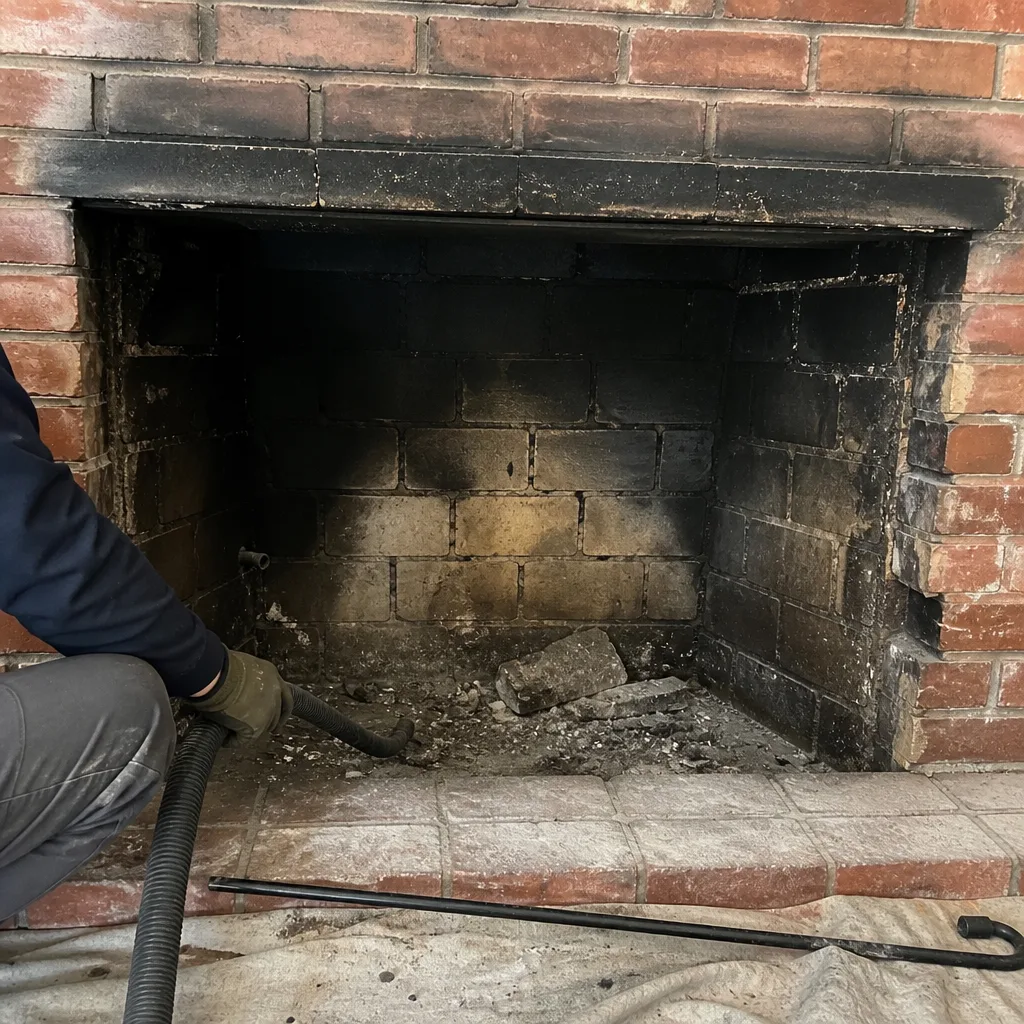
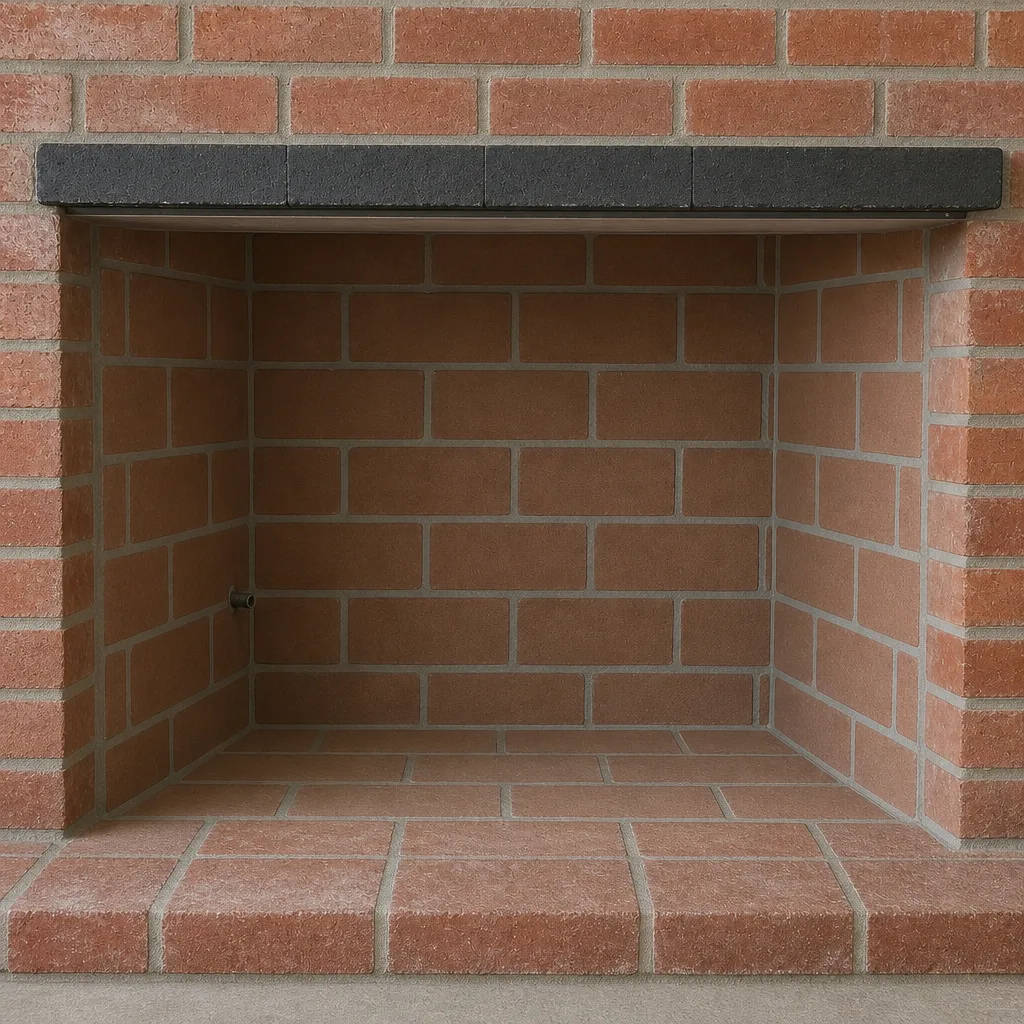
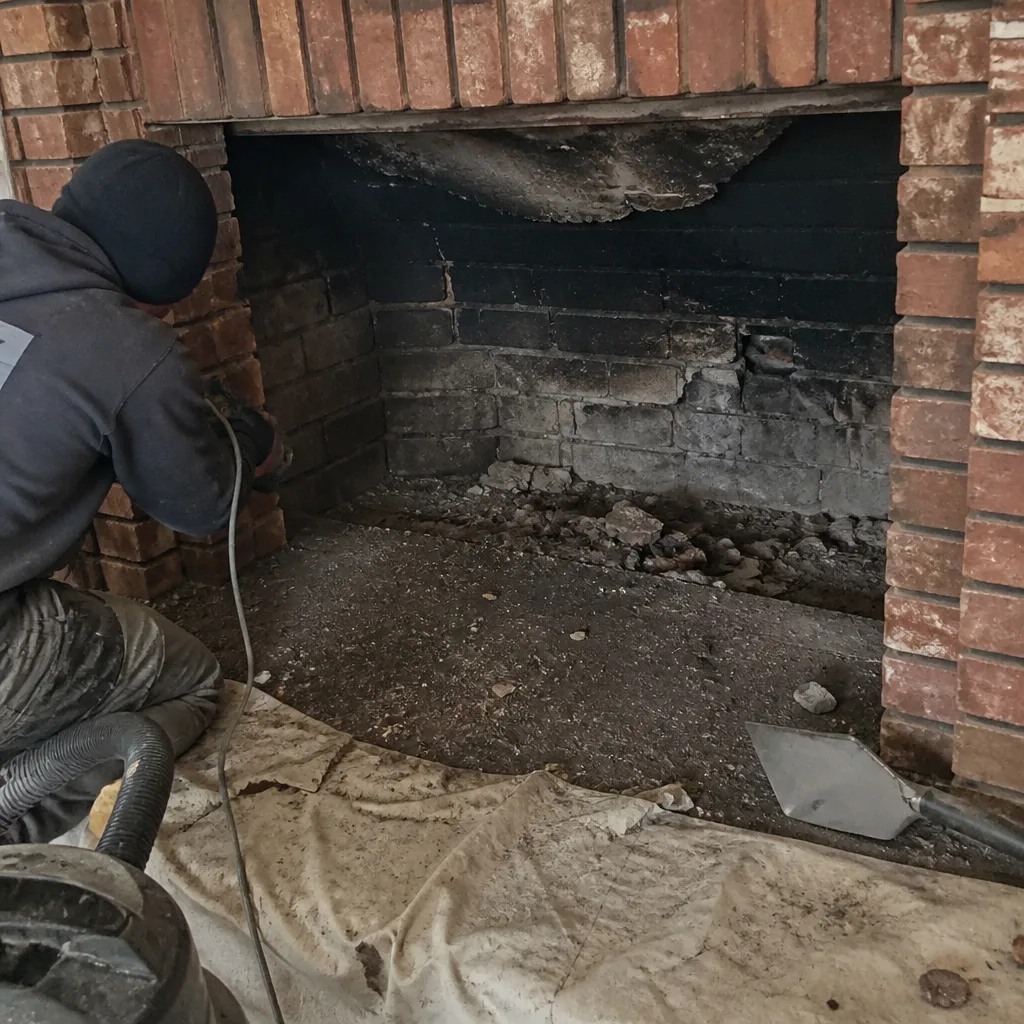
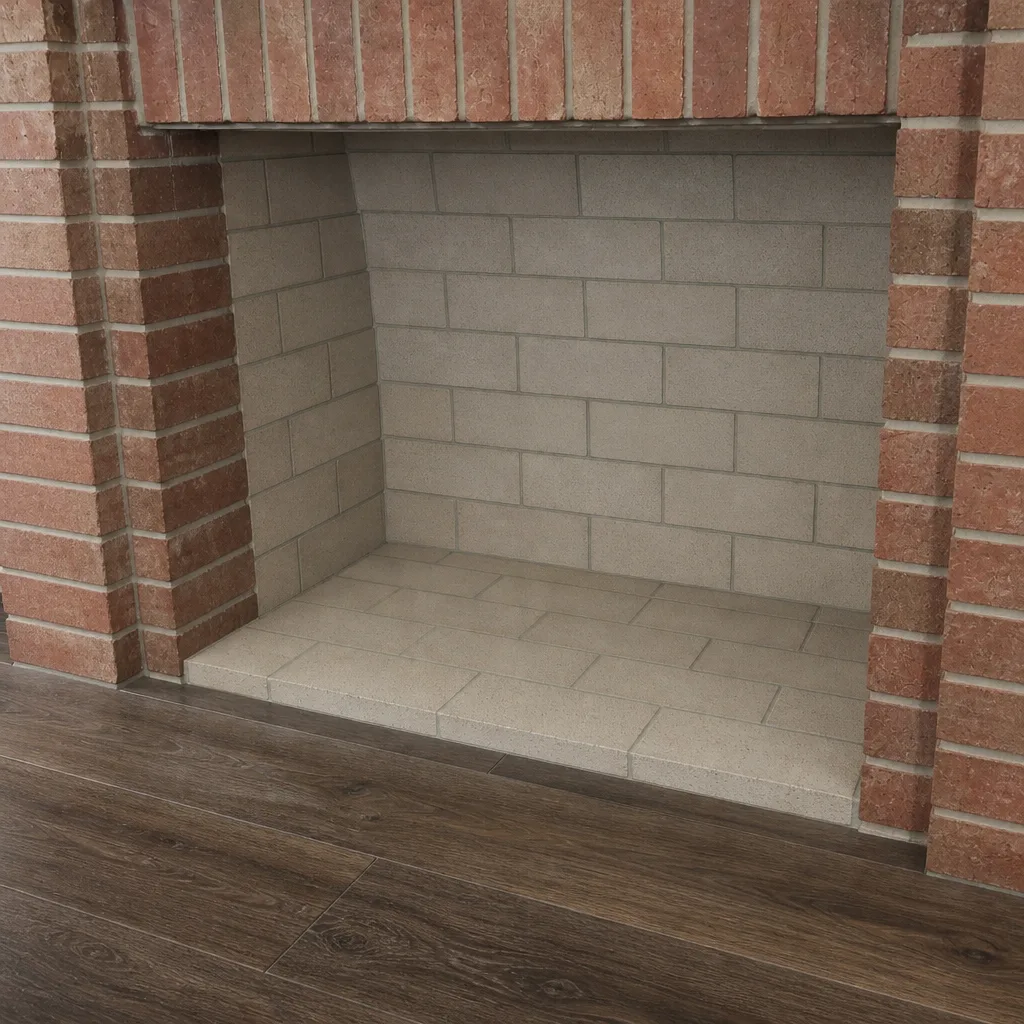
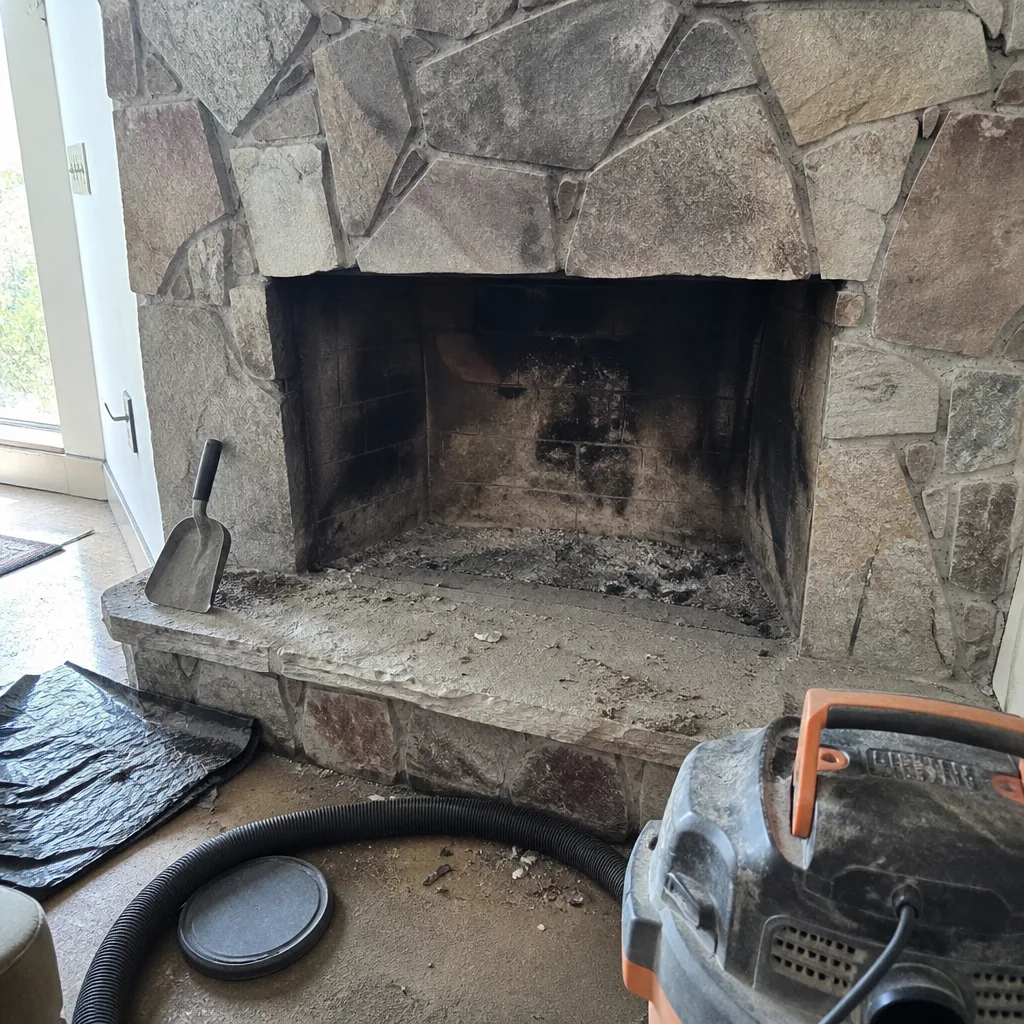
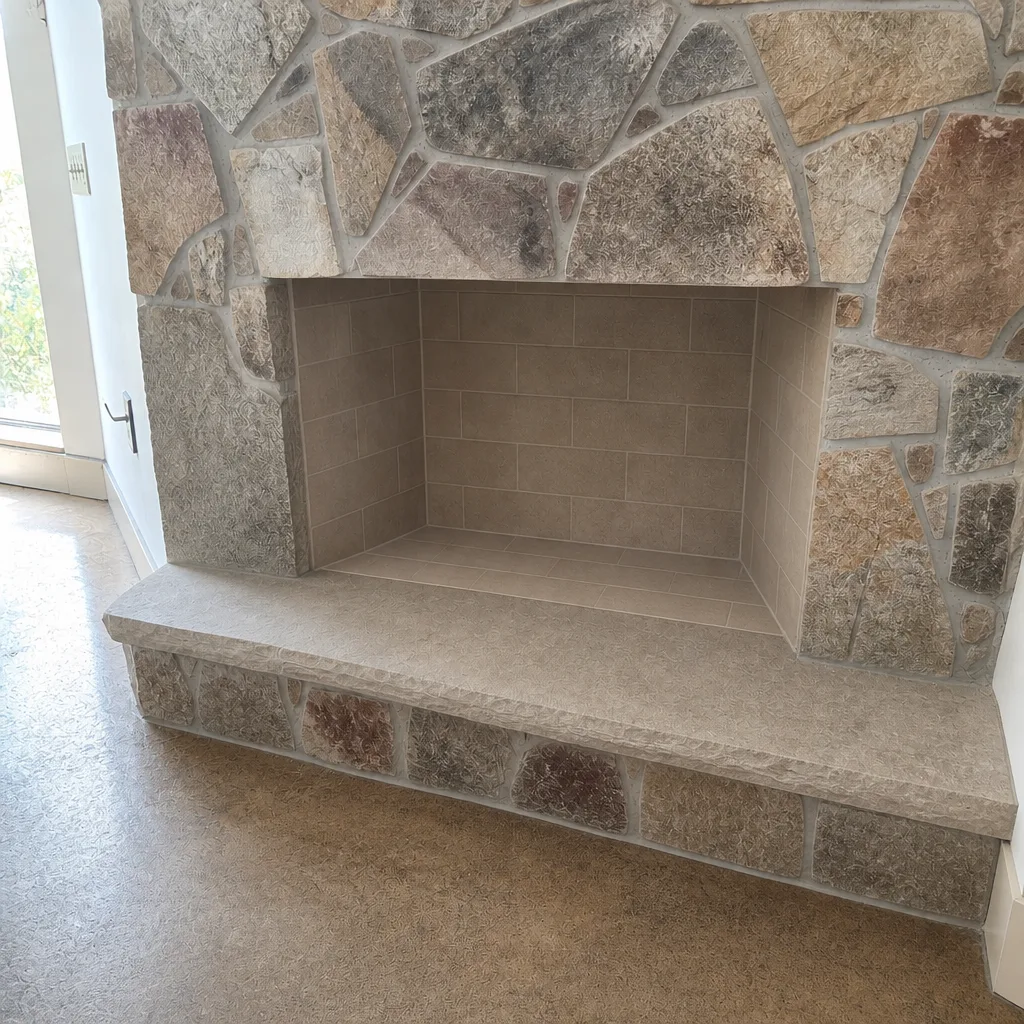
See the difference
 Before
 After
 Before
 After
 Before
 After
When to Call a Professional
Call a professional sweep when you’ve burned more than two cords of seasoned hardwood since your last cleaning, when you smell or see creosote, when the fire smokes back into the room, when your roof access is unsafe, or when you’d rather have documented evidence of the chimney’s condition for insurance. Also call if a previous sweep flagged something and you deferred it; a deferred finding is a reason to schedule this season, not next. Reno Chimney Cleaning offers free estimates in Reno. Call (844) 543-7293. We answer 24/7. Fast dispatch from 7am to 7pm, Sunday through Friday. Same-day service is possible when the schedule allows, and every estimate is free and set in writing before any work is booked.
Frequently Asked Questions
You can clean the cap, remove firebox debris, and do the visual checks yourself, but you can’t clean the smoke chamber, the smoke shelf, or the interior flue above the firebox. Those areas need professional tools and, in the case of the liner, a camera. If your burn volume is under two cords and you have no draft problems, the DIY tasks are reasonable. Anything past that, schedule a sweep. Call (844) 543-7293 for an exact quote; estimates are free.
Sweep a chimney once a year during the burn season, or more often if you burn heavily. In Reno, the long burn season and cold nights mean creosote accumulates faster than in milder climates, so homes that burn daily through the winter should stay on the annual schedule rather than stretching it. Call (844) 543-7293 to book a sweep and inspection.
Creosote accumulates on the flue wall and can ignite if it reaches a sufficient quantity, and the risk grows the longer the chimney goes without cleaning. Skipping a sweep also means skipping the camera inspection, so a cracked tile or failed liner can go unnoticed. A chimney fire is a serious event, and the sweep is a lower cost than what follows a fire. Call (844) 543-7293 for a free estimate.
You need a new liner if the camera inspection shows one is failing, and not otherwise. Cracked clay tiles, warped stainless sections, and heavy glaze damage are the usual reasons, and they’re reasons a camera finds, not reasons a homeowner has to guess at. We inspect before we recommend, and if a liner is fine, we’ll tell you it’s fine. Call (844) 543-7293 to schedule the inspection.
It can, in the sense that insurers commonly ask for maintenance records when a chimney fire claim is filed, and a claim can be complicated when the insurer sees evidence of deferred cleaning. We can’t speak to individual policies, but keeping a written sweep report and photo record is worth doing. If you want documented evidence, schedule a professional sweep. Call (844) 543-7293; estimates are free.
No. Stage-two creosote is a hardened glaze that mechanical brushing doesn’t remove, and it needs chemical treatment before it can be brushed safely. Using a brush alone on stage-two deposits just pushes hardened material deeper into the flue wall. Call (844) 543-7293 for a sweep and inspection if you suspect stage-two creosote.
Yes, because the sweep includes a camera inspection, and the inspection is what finds the problems that don’t show up from the firebox. A chimney that looks fine from the ground can have a cracked liner, a damaged crown, or glazed creosote that a camera sees. Call (844) 543-7293 for a free estimate and a written report.
The Bottom Line
The DIY versus professional chimney cleaning debate isn’t really about saving money. It’s about what your own hands and eyes can safely reach. DIY can handle the cap, the firebox, the damper, and the visual checks. Professional tools are required for the smoke chamber, the smoke shelf, stage-two or stage-three creosote, and the liner inspection. If you’ve burned under two cords and have no draft issues, do the DIY work and schedule the sweep on your normal cycle. If you’ve burned more, or if anything looks off, book the sweep. Reno Chimney Cleaning is a chimney-only specialist; we handle the sweep, the inspection, and any repair under one roof, using professional-grade materials from brands including HeatShield, DuraFlex, Olympia Chimney, Famco, and Copperfield. Our technicians have up to 10 years of experience. Call (844) 543-7293 for a free estimate. We answer 24/7. Fast dispatch from 7am to 7pm, Sunday through Friday. Find more about our Reno coverage at our local page, and if you want to see the full scope of what we do, start with Reno Chimney Cleaning for the sweep, the inspection, and the repair that follows from it.
Written by the team at Reno Chimney Cleaning.