
Last updated November 15, 2026
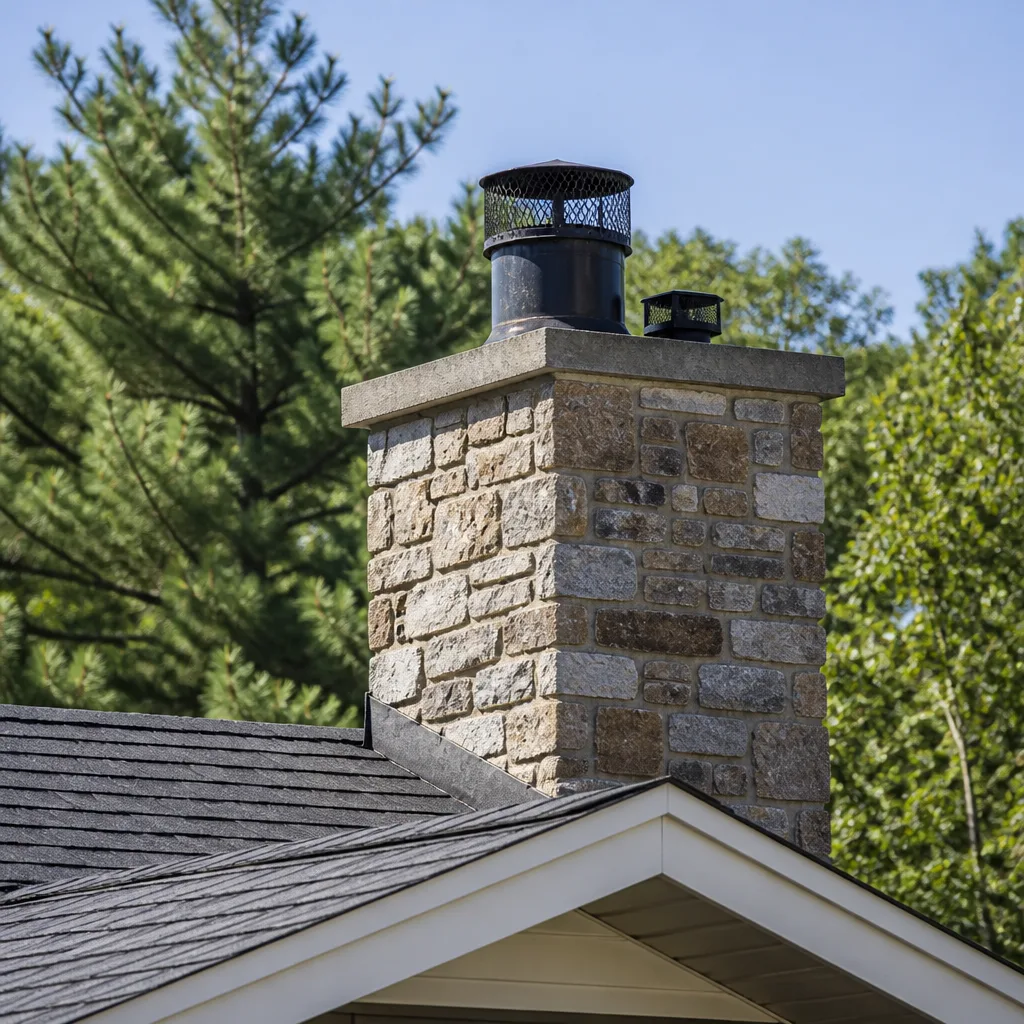 Sweep & inspection
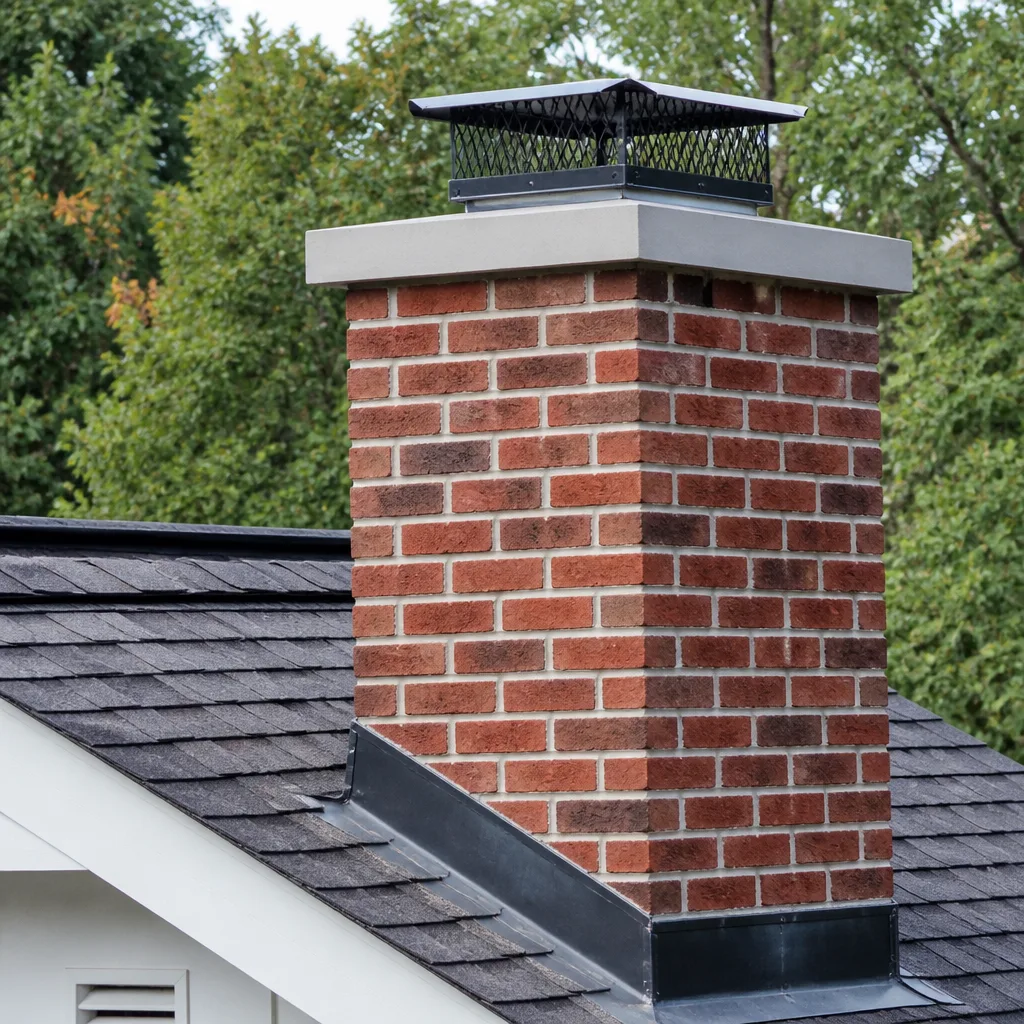 Caps & crowns
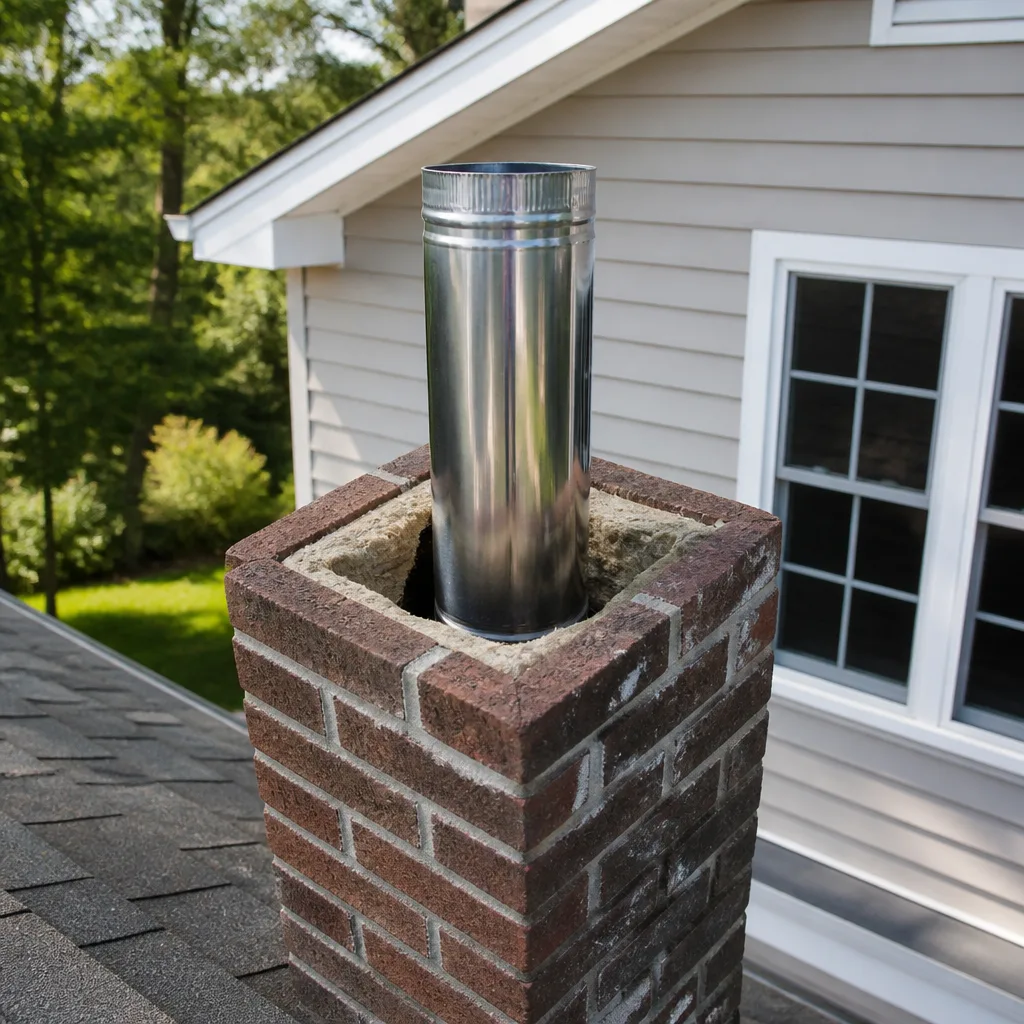 Flue relining
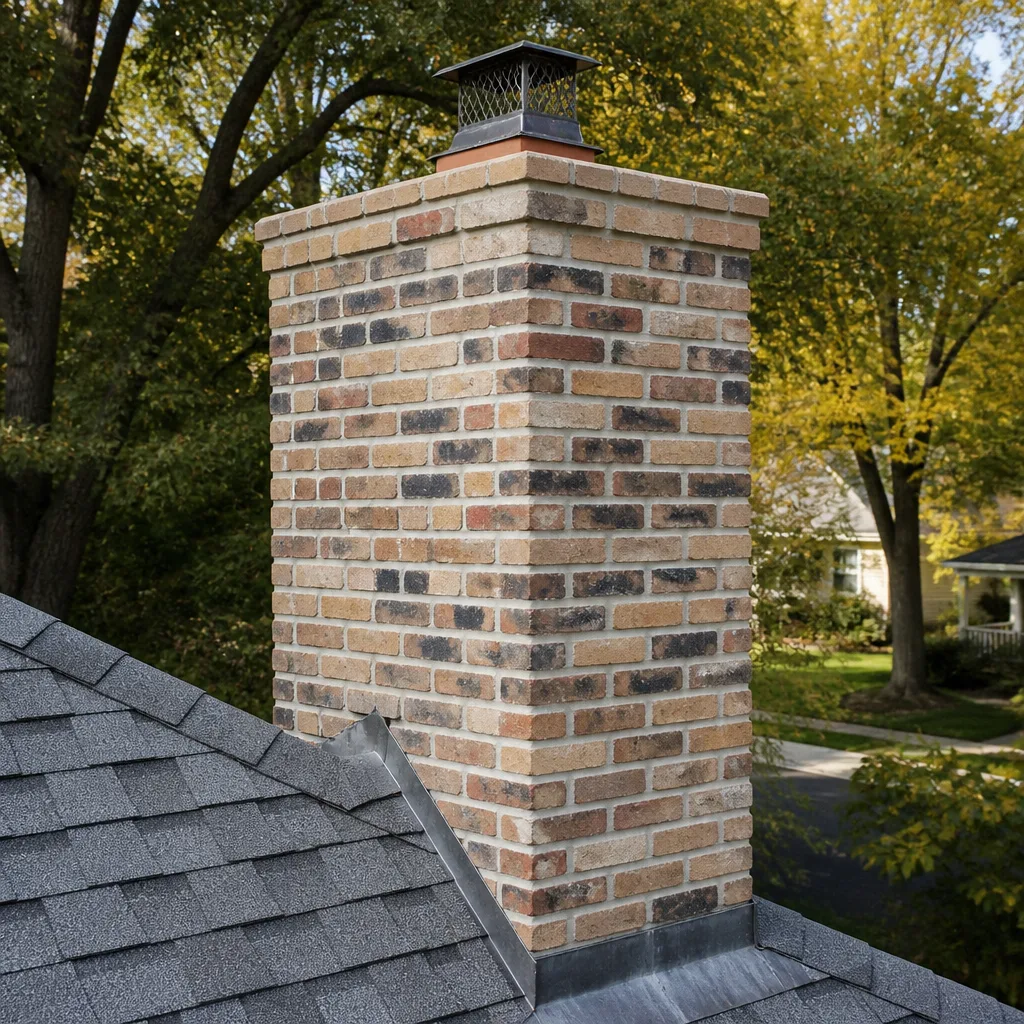 Masonry repair
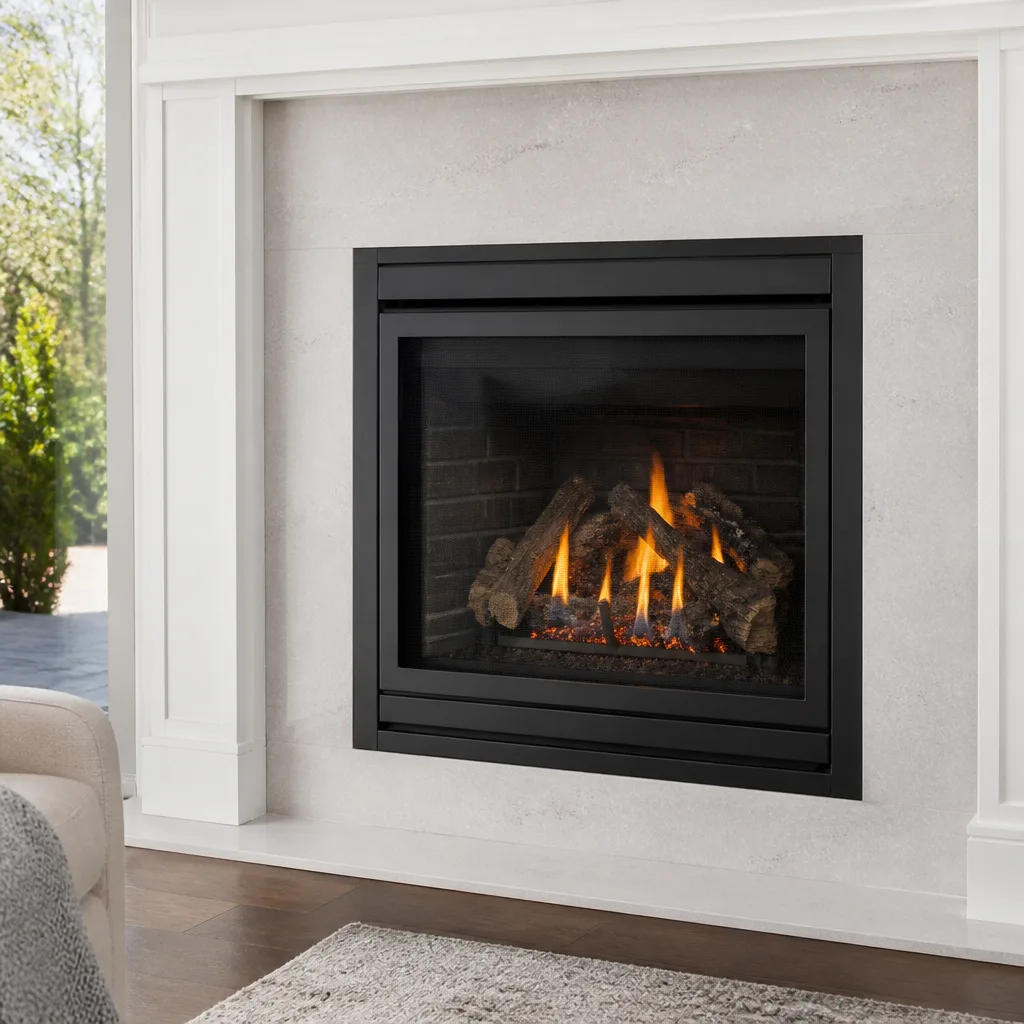 Gas fireplace service
Level 1 sweep and inspection to the NFPA 211 annual standard - flue, crown, cap, and flashing checked and photographed
Chimney sweep logs do not sweep chimneys. They loosen some creosote - which then falls where a brush and vacuum still have to collect it.
Choosing the Right Chimney Cleaning Brand: A Buyer’s Guide for Reno
Most homeowners pick a chimney company by comparing quotes and never ask what products are actually going onto their chimney. That’s backwards. The materials matter more than the price tag. A brush-on crown patch sold at a hardware store and an elastomeric crown coating rated for freeze-thaw cycling look similar in a bucket and behave nothing alike once a Reno winter hits them. One cracks by spring; the other is built to flex through a decade of temperature swings. This guide explains the product categories that matter, how professional lines differ from consumer-grade versions, and the exact questions to ask so you know what a contractor is putting on your chimney before they start. You’ll also learn what should appear on your invoice to verify it.
Quick Answer
The right chimney cleaning brands are the professional-grade lines a certified sweep actually stocks: HeatShield for liner resurfacing, DuraFlex and Olympia Chimney for full relining, and Copperfield or Famco for caps, dampers, and weatherproofing. Ask any contractor what specific products they use for sweeping, sealing, and liner work, and expect a brand name and product line in the answer, not a vague “premium materials.” If they can’t name what’s going on your chimney, that’s your signal to keep looking.
Styles & brands we work with
- Sweep & inspection
- Caps & crowns
- Flue relining
- Masonry repair
- Gas fireplace service
Table of Contents
- Why the Brand on the Bucket Matters More Than the Quote
- The Four Product Categories That Actually Matter
- Creosote Removers: Enzymatic vs. Chemical
- Crown Coatings: Brush-On vs. Elastomeric
- Liner Systems and When Resurfacing Beats Relining
- Why Product Quality Matters More in Reno’s Climate
- How to Ask a Contractor What Products They Use
- What Your Invoice Should Prove
Why the Brand on the Bucket Matters More Than the Quote
The chimney trade has two supply chains, and they don’t overlap much. One runs through hardware stores and big-box retailers. The other runs through professional suppliers that sell to certified sweeps and chimney specialists. Products on the consumer shelf are formulated for occasional homeowner use, sold in small quantities, and often diluted or simplified to keep the price low. Products on the professional side are concentrated, sold in trade quantities, and specified for the exact conditions a technician encounters on a real chimney.
Here’s the practical difference. A consumer-grade creosote powder might require a full jar per application and work slowly. A professional-grade remover is dosed by flue volume and formulated to break down glaze over a defined treatment window. A consumer crown patch is a stiff mortar you trowel on and hope it bonds. An elastomeric crown coating is engineered to move with the masonry as it expands and contracts, which is the whole problem in a climate with hard freezes. Same category of product, completely different performance envelope.
None of this means every cheap product is junk or every professional line is magic. It means the product spec is a proxy for how seriously the contractor treats the work. A company that buys from professional suppliers, stocks brand-name materials, and can tell you the product line going on your chimney is a company that expects the repair to last. One that grabs whatever’s on sale is telling you something too.
In our experience working on chimneys across Reno, the repairs that fail early almost always trace back to the material, not the labor. The install was fine. The product wasn’t rated for what this climate does to it.
The Four Product Categories That Actually Matter
Chimney work touches dozens of small products, but four categories carry most of the longevity. When you’re evaluating a contractor, these are the ones worth asking about by name.
- Sweeping tools and creosote treatment. Brushes, rods, and creosote removers. The brush type has to match the flue material (polypropylene for stainless liners, wire only for masonry in specific cases), and the creosote treatment has to match the stage of the deposit.
- Crown coatings and sealants. The crown is the concrete cap at the top of the chimney. It takes the most weather of any part of the system. Brush-on mortar patches and elastomeric coatings are not interchangeable.
- Liner systems. Stainless liners from brands like DuraFlex or Olympia Chimney, or resurfacing systems like HeatShield for liners that are still structurally sound but have cracked or spalled.
- Caps, dampers, and ventilation. Top-mount caps and damper assemblies from brands such as Copperfield and Famco. These are the weatherproofing layer, and cheap versions fail at the hinge, the screen, or the seal.
Ask about all four. A contractor who can talk specifically about what they use in each category is a contractor who thinks about materials. One who waves the question off is not.
What “Professional-Grade” Actually Means
Professional-grade isn’t a marketing term with a legal definition. In practice it means three things: the product is sold through trade suppliers rather than retail shelves, it’s specified for the application a technician is putting it to, and it carries a manufacturer’s expectation that a trained installer is applying it. A crown coating rated for exterior masonry in freezing climates is professional-grade for a crown repair in Reno. The same coating used on an interior wall would be the wrong product. Fit to application is part of the definition.
Creosote Removers: Enzymatic vs. Chemical
Creosote builds up in three stages, and each stage calls for a different treatment. Stage one is soot and light flake, which a brush removes completely. Stage two is a crusty, flaky deposit that a stiff brush and a proper sweep handle. Stage three is glazed creosote, a hard, shiny, tar-like layer that brushing alone won’t touch and that carries real fire risk if left in place. This is where removers come in, and this is where the enzymatic-versus-chemical distinction matters.
Enzymatic Removers
Enzymatic creosote removers work biologically. You apply them to the firebox or the flue, they soak into the deposit, and over a span of days to weeks the enzymes break down the tar compounds into a form that brushes off cleanly on the next sweep. They’re slower, they require a follow-up visit, and they’re gentler on the flue and on the surrounding materials. They work best on stage two deposits and early stage three.
Chemical Removers
Chemical removers are stronger and faster. Some are applied as a powder or log that burns in the firebox and converts the glaze to a brittle form. Others are sprayed directly onto the flue wall. They can handle harder stage three deposits, but they need to be matched to the flue material and the depth of the glaze. Applied wrong, they can damage a liner or leave residue that affects draft.
The question to ask a contractor is not “do you use chemicals?” but “how do you decide which treatment to use?” A sweep who inspects the flue first, identifies the creosote stage, and then chooses between enzymatic and chemical based on what’s actually there is a sweep working from diagnostics. One who suggests a chemical treatment before looking at the flue is guessing.
This is part of the reason we lead with inspection. Before any chimney sweep in Reno, we want to see the flue on camera and know what stage we’re dealing with. The treatment follows the diagnosis, not the other way around.
Crown Coatings: Brush-On vs. Elastomeric
The crown is the concrete slab at the top of your chimney, and it’s the part of the system that takes the most direct weather. Sun, rain, snow, and repeated freeze-thaw cycles all hit it first. When the crown cracks, water gets into the masonry below, and that’s where a lot of expensive chimney problems start. The two common repair approaches are brush-on mortar patches and elastomeric crown coatings, and they’re not remotely equivalent.
Brush-On Mortar Patches
A brush-on patch is essentially a thin layer of mortar, cement, or a cement-like product applied over the crown to seal hairline cracks. It’s inexpensive, fast, and it works for a season or two on a crown that’s otherwise sound. The problem is that mortar is rigid. When the crown expands in summer heat and contracts in winter cold, the patch moves with it, and the bond at the edge of the patch starts to break down. In a Reno climate with sharp freeze-thaw swings, a thin mortar patch is often a one-winter repair.
Elastomeric Crown Coatings
An elastomeric coating is a flexible membrane designed to stretch and recover with the crown as it moves. It bonds to the masonry, bridges small cracks, and stays watertight through the thermal cycling that would crack a rigid patch. Applied over a properly prepared crown, an elastomeric coating is typically rated for many years of service, not one. The trade-off is cost and surface prep: the crown has to be cleaned and often primed, and the product itself costs more than a bag of mortar.
Ask your contractor which they use and why. The right answer depends on the crown’s condition. A crown with structural damage needs rebuilding, not coating. A crown with hairline surface cracks in otherwise good shape is a candidate for elastomeric coating. A crown that got a mortar smear two winters ago and is cracking again is a sign the wrong product was used the first time.
Liner Systems and When Resurfacing Beats Relining
The flue liner is the barrier between the fire and the structure of your house. It contains the smoke, protects the masonry, and keeps heat where it belongs. When a liner cracks or deteriorates, there are two broad repair paths: resurface the existing liner, or install a new one. Choosing between them is a diagnostic question, and the answer depends on the condition of what’s already in your chimney.
Resurfacing with HeatShield
HeatShield is a resurfacing system for clay tile liners that are cracked, spalled, or have gaps at the joints but are still structurally intact. A technician applies the material to the inside of the flue, where it bonds to the existing tile and forms a smooth, sealed surface. It’s less invasive than a full reline, it preserves the original flue dimensions better, and for the right candidate it’s an excellent fix.
The key phrase is “for the right candidate.” Resurfacing doesn’t work if the tile is crumbling or the flue is the wrong size for the appliance. That’s a full reline.
Relining with DuraFlex or Olympia Chimney
A full reline means installing a new stainless steel liner inside the existing flue. It’s the right answer when the original liner is failing structurally, when a new appliance requires a different flue size, or when the chimney was never lined to begin with. DuraFlex and Olympia Chimney both make professional-grade liner systems, and the choice between them comes down to the flue dimensions, the appliance, and the installation details a technician works out on site.
Here’s the honest part: nobody should be recommending a liner repair without camera evidence you can see yourself. A contractor who tells you the liner is bad without showing you why is asking for trust they haven’t earned. Ask to see the video. Any honest technician will show it.
Why Product Quality Matters More in Reno’s Climate
Reno sits in high desert at altitude, and that combination is unusually hard on exterior building materials. Three factors compound here more than they do in milder climates.
- UV intensity. At altitude, the atmosphere is thinner and the sun is stronger. Any product with a polymer component, from a crown coating to a cap seal, degrades faster here than the same product would at sea level. Inferior sealants chalk and crack within a couple of seasons.
- Freeze-thaw cycles. Reno swings between daytime thaw and overnight freeze repeatedly through winter. Every cycle pushes water into cracks and then expands it, which pries rigid materials apart. Flexible products survive this; brittle ones don’t.
- High-altitude thermal stress. The temperature delta between a hot summer afternoon and a cold winter night is wide. Materials that expand and contract by different amounts from the masonry they’re bonded to will separate at the bond line. This is why elastomeric coatings outperform mortar patches here, and why cheap caps warp at the hinge.
A product that lasts fifteen years on the East Coast might last five here. That’s not a knock on the product; it’s a fact about the climate. When a contractor skimps on materials in Reno, the failure shows up fast. Which is also useful: if a repair fails within a season or two, the material was probably the reason.
This is why we work with professional-grade lines rather than retail products. HeatShield, DuraFlex, Copperfield, and Famco all make materials rated for the conditions a Reno chimney actually faces. Not every homeowner needs the top of the line, but nobody should be getting a product that’s going to fail by the next winter.
How to Ask a Contractor What Products They Use
Most homeowners don’t ask because they don’t know what an acceptable answer sounds like. Here’s a short script and a set of responses to listen for.
The Question to Ask
Ask this before booking: “For the work you’re recommending, what specific product brands and product lines will you use, and why those?” Don’t soften it. You’re not being rude; you’re being a responsible homeowner.
Answers That Signal a Professional-Grade Operator
- They name a brand and a product line. “We’d use HeatShield for this resurface” or “That flue calls for an Olympia Chimney liner” tells you they know the trade supply chain.
- They explain why that product fits your chimney. The reasoning should reference the diagnosis, not the price.
- They can tell you what the product is rated for. Years of service, conditions, and material compatibility should be something they know off the top of their head.
- They mention the application method. “Brush-applied over a primed crown” or “sprayed per the manufacturer’s spec” is a sign the product is being used as designed.
- They offer to show you the diagnosis before recommending a fix. Camera evidence, photos, or a written inspection report.
Answers That Signal Low-Grade Materials
- “We use the best product on the market.” No name, no line, no specifics.
- “Whatever’s available” or “we get it from a local supplier.” Which supplier, which brand?
- A recommendation for a major repair before any camera inspection.
- A price dramatically lower than every other quote, with no explanation for the gap.
- Pressure to book on the spot before you’ve seen evidence.
- Refusal to put the product name in writing on the invoice.
A specialty chimney company should pass this test easily. A handyman who does chimneys as a side job often won’t, not because they’re dishonest, but because they don’t buy from the professional chimney supply chain. They buy from the hardware store, same as you.
We’ve structured how we work around this exact question. One company handles the chimney repair and the sweep and the inspection, which means the person recommending a product is the same person who’ll be applying it. There’s no hand-off between a salesperson and a subcontractor, and no risk of a generic product getting swapped in.
What Your Invoice Should Prove
An invoice is a record of what was actually done, and for chimney work it should be specific enough that you can verify it later. If you ever sell the house, a well-written invoice is also documentation of a repair for a home inspector.
What to Look For
- Brand name and product line. “HeatShield resurfacing applied to clay tile flue” is a real invoice line. “Liner repair” is not.
- Application method. “Brush-applied elastomeric crown coating” tells you what was physically done. “Crown repair” doesn’t.
- Square footage or linear footage affected. How much crown was coated, how much liner was resurfaced or replaced, how far up the flue the work went.
- Before-and-after photos or camera footage. A good technician documents the diagnosis and the result. Ask for the photos to be included with the invoice.
- Any warranty or manufacturer’s documentation. If the product carries a manufacturer’s warranty, that paperwork should come with the invoice.
If the invoice you receive could have been written by any contractor in any city for any repair, it’s not detailed enough. Ask for it to be amended. Any honest operation will do so without complaint.
Common Mistakes to Avoid
- Hiring on price alone. A quote that’s dramatically lower than the rest is usually lower for a reason. Cheaper materials and less prep time are the two most common cost cuts.
- Skipping the camera inspection. A contractor who recommends a major repair without showing you the flue on camera is asking you to spend thousands of dollars on faith. Always see the evidence.
- Assuming “professional” means the right product. A skilled technician using the wrong product for the climate is still a repair that fails. Reno’s freeze-thaw swings punish the wrong material fast.
- Not asking about the crown by name. The crown is where most water damage starts. If your contractor only talks about the flue and never the crown, ask why.
- Letting a generalist handle a liner job. Liner work requires matching the product to the appliance, the flue dimensions, and the local code. A roofer or handyman doing it as a side job often misses the sizing, and the repair fails early.
- Ignoring what the invoice says. If the brand and application method aren’t in writing, you have no proof of the work for future buyers, insurers, or inspectors.
- Treating “brush-on crown sealer” as equivalent to an elastomeric coating. One is a one-season patch, the other is a decade-scale repair. The price gap reflects the difference.
See the difference
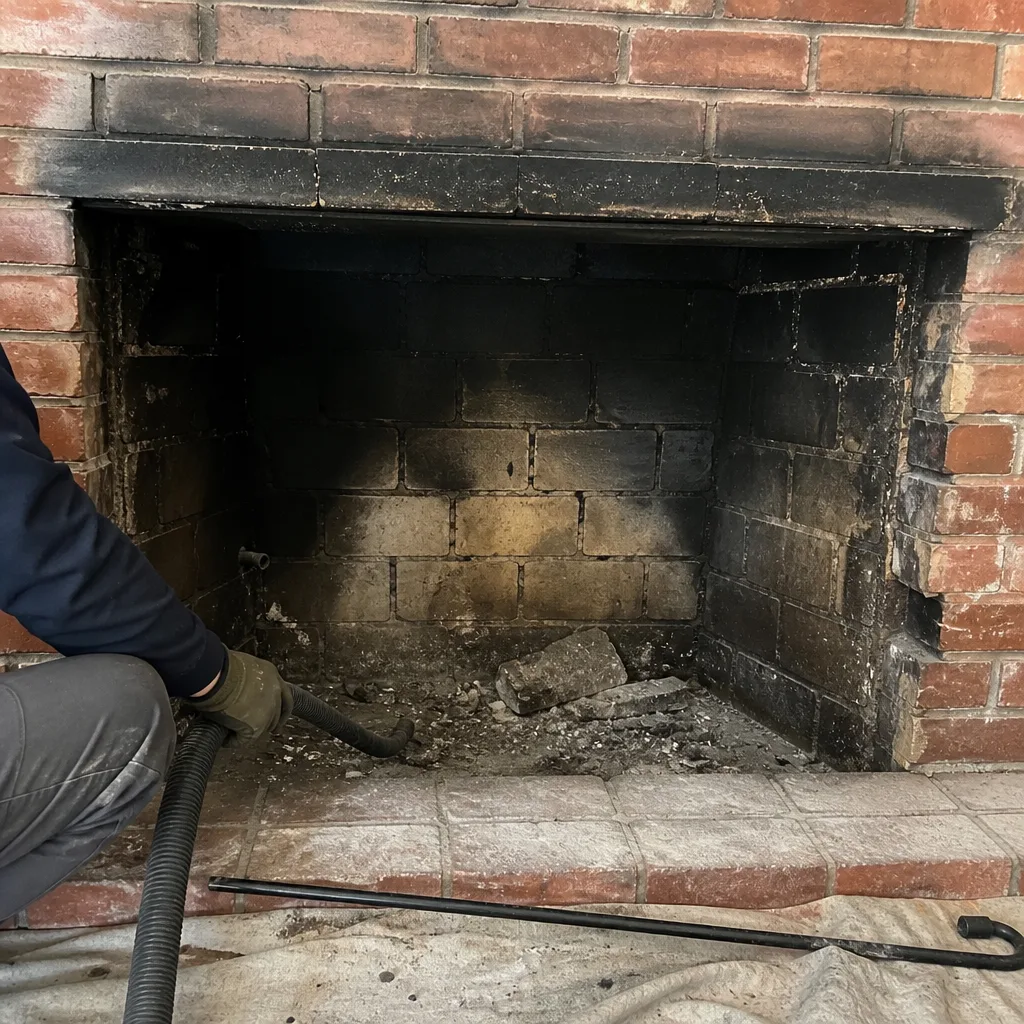 Before
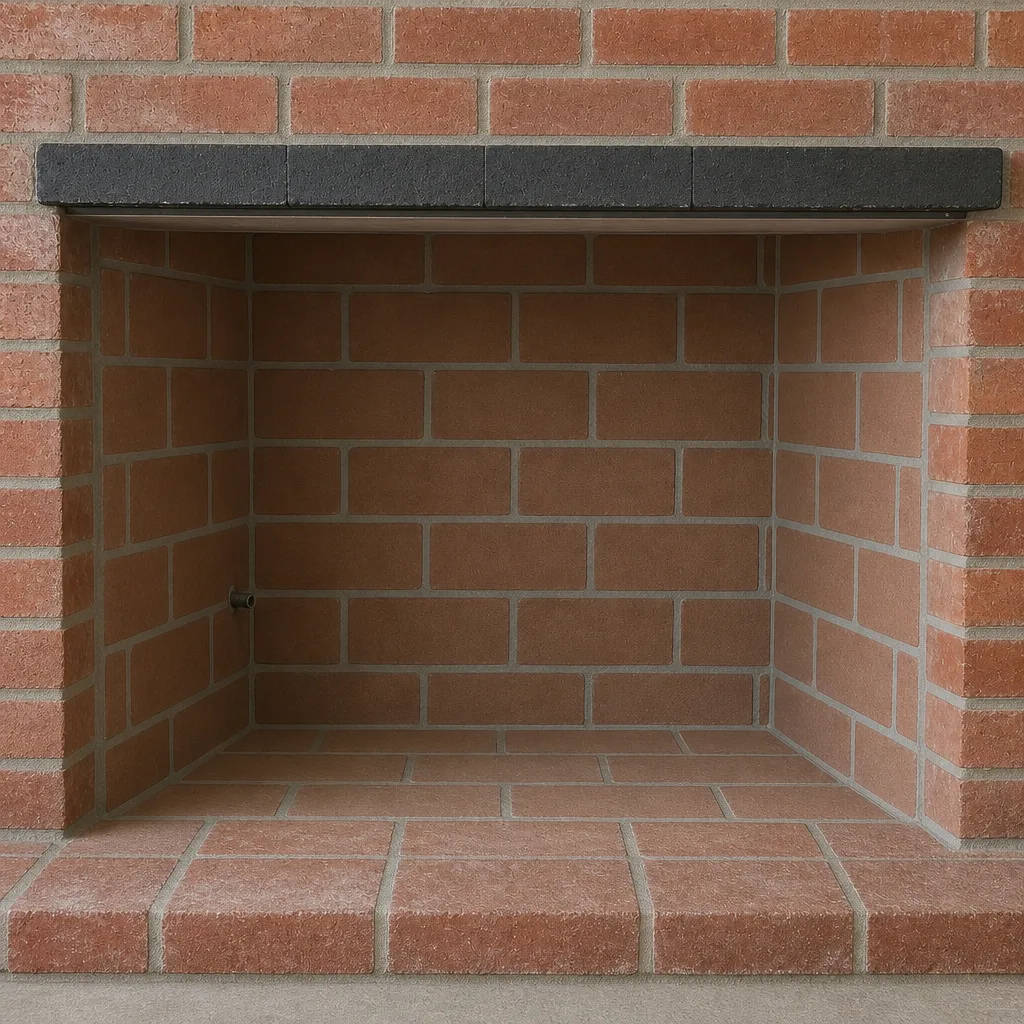 After
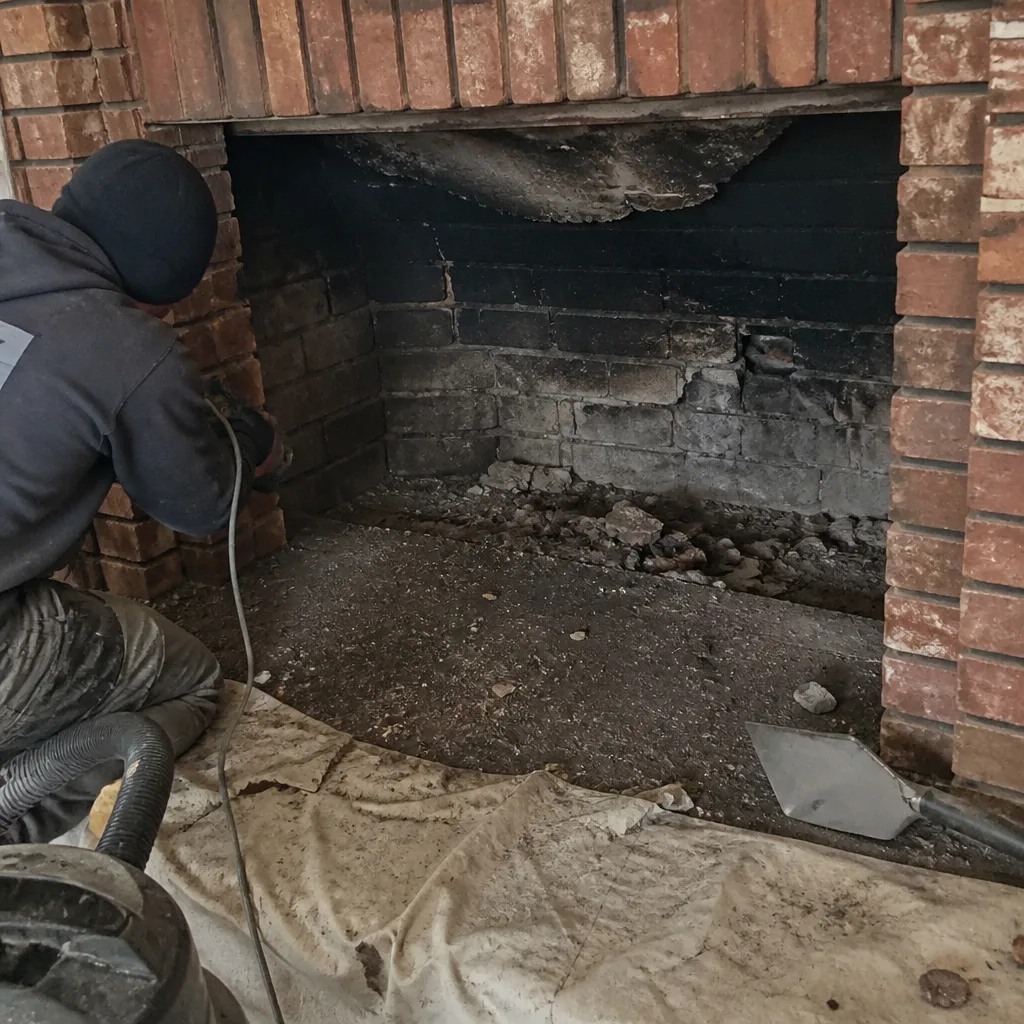 Before
 After
 Before
 After
When to Call a Professional
Some chimney questions are simple enough to answer as a homeowner. But specific situations call for a trained technician, not a generalist. If your flue hasn’t been swept in over a year and you burn wood regularly, book a sweep before the heating season starts. If you see glazed creosote on the flue walls, that’s stage three, and it needs a professional treatment plan. If your crown is cracking, water is getting in, and the fix should be a coating, not a patch. If you’re buying a house in Reno and want to know whether the liner is sound before you close, ask for an inspection with camera evidence. If your contractor is recommending a repair and you want a second opinion from a chimney specialist, that’s a call worth making.
Reno Chimney Cleaning offers free estimates in Reno. Call (844) 543-7293. We answer 24/7. Fast dispatch from 7am to 7pm, Sunday through Friday.
Frequently Asked Questions
For liner work, look for HeatShield (resurfacing), DuraFlex, or Olympia Chimney (full relining). For caps, dampers, and weatherproofing, Copperfield and Famco are professional-grade. But the more important answer is that a good contractor can name their brands without hesitation. Call (844) 543-7293 for an exact quote – estimates are free.
Chimney repair pricing in Reno depends on the scope: a sweep, an inspection, a liner resurfacing, and a full reline all sit in different price ranges, and the written estimate is what sets the final number. Nothing should be recommended without camera evidence you’ve seen. Call (844) 543-7293 for a free estimate so we can look at your chimney and quote the actual job.
Because Reno’s high-altitude UV, repeated freeze-thaw cycles, and wide thermal swings punish inferior materials faster than milder climates do. A product that lasts a decade elsewhere might fail in two seasons here. Specify the brand and product line for any exterior work, and confirm the material is rated for the temperature cycle.
Enzymatic removers break down creosote biologically over days or weeks and require a follow-up sweep; chemical removers are faster and stronger but must be matched to the flue material and the creosote stage. The right choice depends on what the inspection finds. A technician who inspects first and then chooses has the right approach. Call (844) 543-7293 to book an inspection.
Yes, always. A repair recommendation without camera evidence is a recommendation you can’t verify. Any reputable chimney company will show you the footage and explain what it means. If someone won’t, keep looking. Call (844) 543-7293 and we’ll walk you through the diagnosis.
A chimney specialist is the right call for anything beyond a basic sweep. Liner systems, crown coatings, and cap installations require matching the product to the flue, the appliance, and the climate, and that’s what chimney specialists train on. A generalist can handle light work but usually can’t access the professional supply chain. Call (844) 543-7293 to book with a company that only does chimneys.
The Bottom Line
Chimney work is a materials business as much as a labor business. The brand on the bucket tells you whether your repair will last one Reno winter or ten. Ask any contractor to name the products they use, explain why those products fit your flue, and put the brand and application method on the invoice. If the answer is specific, you’ve found an operator who treats chimney work as a trade. If the answer is vague, keep looking. Reno Chimney Cleaning works with a curated roster of professional-grade brands, handles sweep, inspection, and repair under one roof, and puts everything in writing. Our technicians have up to 10 years of experience. Call (844) 543-7293 for a free estimate. We answer 24/7. Fast dispatch from 7am to 7pm, Sunday through Friday.
Written by the team at Reno Chimney Cleaning.