
Last updated November 15, 2026
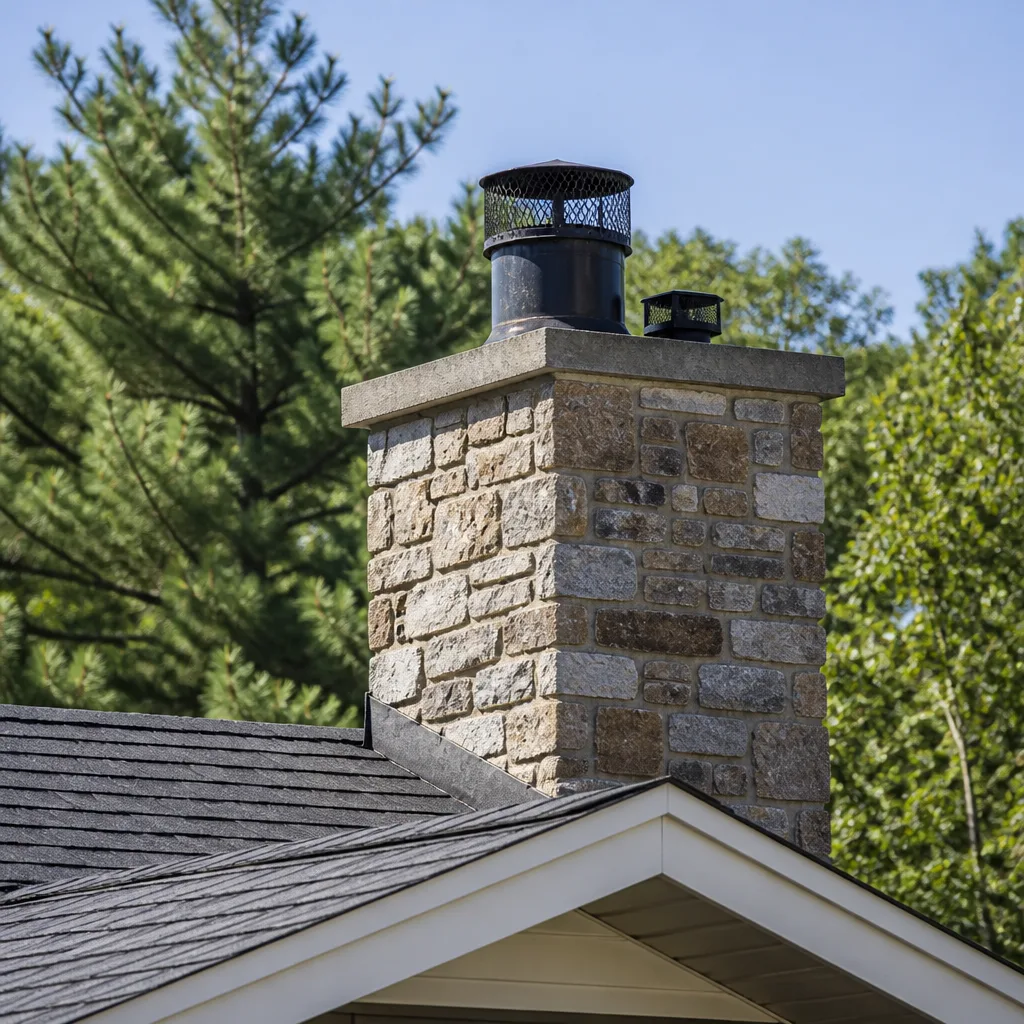 Sweep & inspection
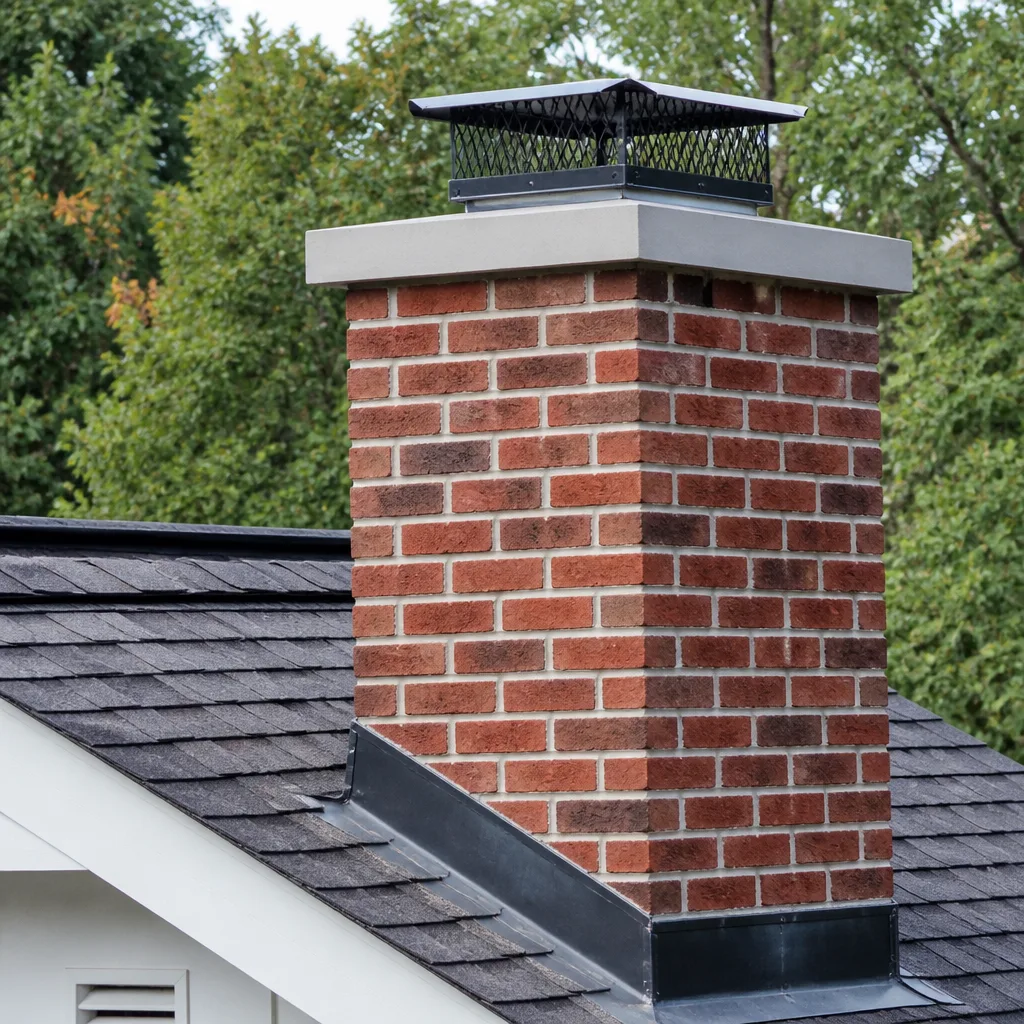 Caps & crowns
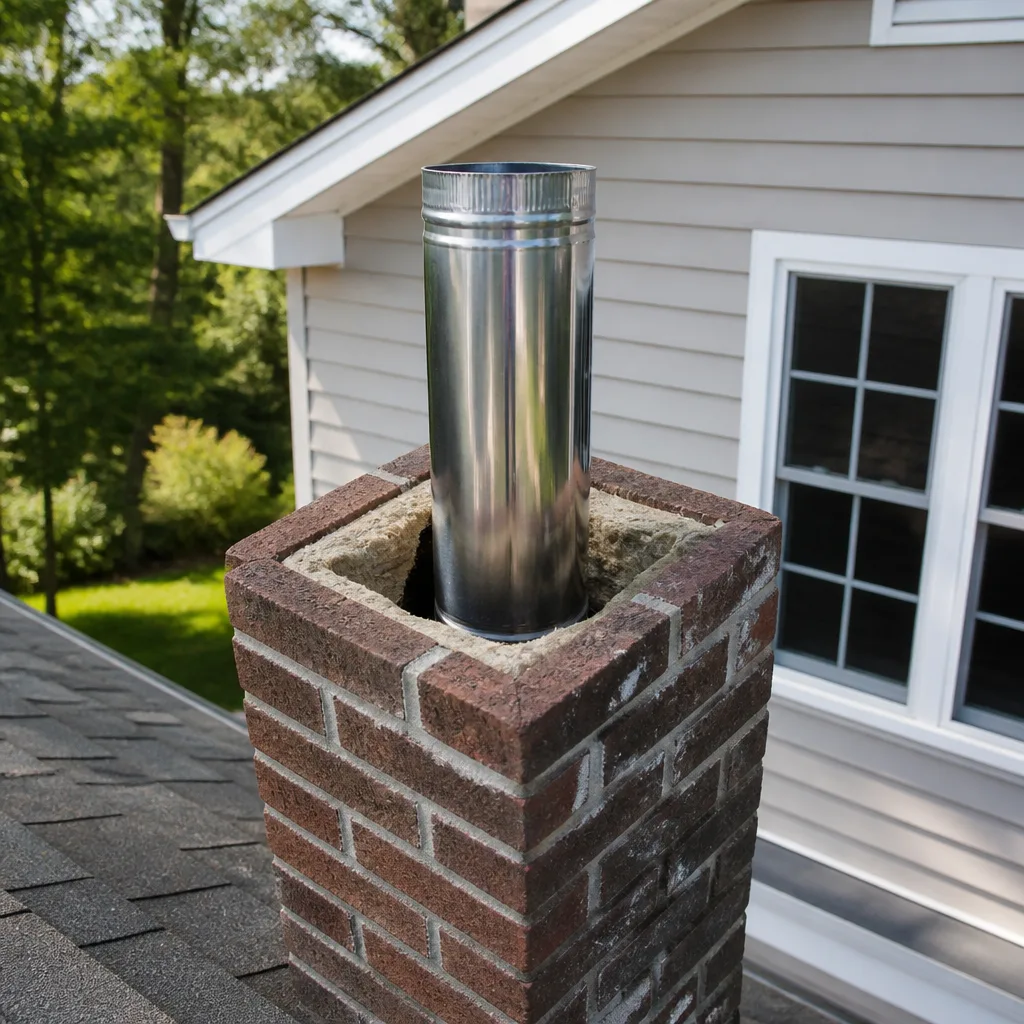 Flue relining
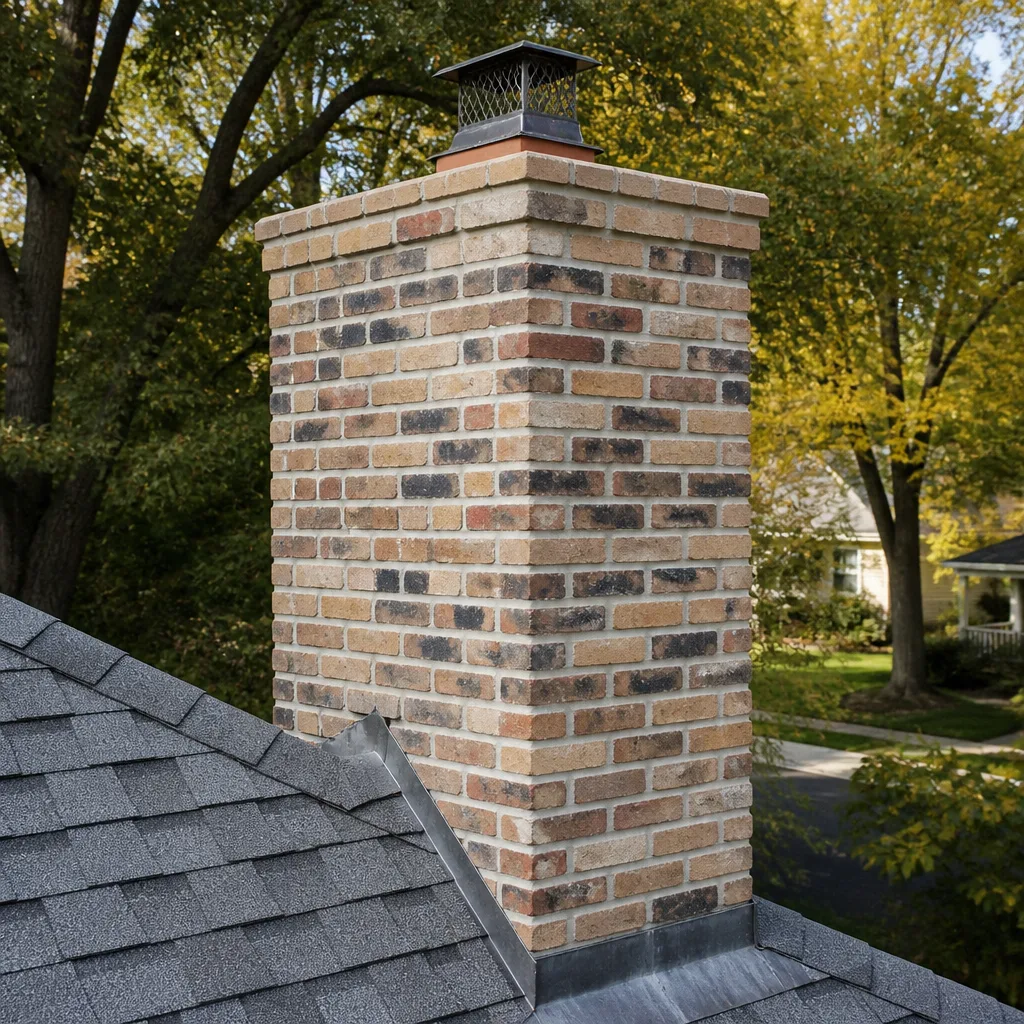 Masonry repair
 Gas fireplace service
Level 1 sweep and inspection to the NFPA 211 annual standard - flue, crown, cap, and flashing checked and photographed
Chimney sweep logs do not sweep chimneys. They loosen some creosote - which then falls where a brush and vacuum still have to collect it.
The Complete Guide to Chimney Cleaning in Reno
Most chimney guides treat creosote like it’s one thing. It isn’t. Creosote forms in three distinct stages, and the third stage – a hard, glassy glaze – can’t be brushed out with standard sweeping equipment. That matters more in Reno than in most places, because our shoulder-season burns (cool mornings, warm afternoons, damp juniper) tend to produce exactly the conditions that push creosote toward that glazed stage. If you’ve been sweeping your own flue or hiring a generalist handyman once a year, you may be leaving a layer that no brush will touch. This guide maps the whole chimney system from firebox to crown, explains what gets dirty at each layer and why, and shows you what a real cleaning visit should look like. By the end you’ll know how Reno’s high desert climate changes your maintenance schedule, how to tell a complete job from a rushed one, and when to call in a specialist.
Quick Answer
Chimney cleaning in Reno means removing soot, ash, and creosote from the firebox, smoke chamber, damper, and flue liner, then inspecting the full system from crown to cap. Because Reno sits around 4,500 feet elevation and burns a lot of high-resin juniper, creosote accumulates faster and harder here than in lower, wetter climates – so most wood-burning homes need a sweep and a Level 1 inspection every year, with a Level 2 camera inspection whenever the fuel type, appliance, or property ownership changes. It’s a specialist job, not a generalist one, because glazed creosote and hidden liner damage don’t show up on a visual glance.
Styles & brands we work with
- Sweep & inspection
- Caps & crowns
- Flue relining
- Masonry repair
- Gas fireplace service
Table of Contents
- The anatomy of a chimney: what a cleaning actually touches
- Why Reno’s climate makes cleaning different
- The three stages of creosote and why glaze is the problem
- Juniper, pine, and the wood you burn
- Level 1, Level 2, and Level 3 inspections: when each applies
- What a professional cleaning visit looks like, step by step
- How often should you clean your chimney in Reno?
- What does chimney cleaning cost in Reno?
The Anatomy of a Chimney: What a Cleaning Actually Touches
A chimney isn’t one hollow tube. It’s a stack of components that each collect a different kind of mess, and a cleaning that only addresses the flue is a partial cleaning. Knowing the parts helps you ask the right questions and spot a job that was cut short.
Here’s what sits between your fire and the sky, in order from the bottom up:
- Firebox. Where the fire burns. Collects ash, soot, and sometimes a crust of creosote on the back wall and damper frame.
- Damper. The metal door above the firebox that you open before lighting a fire. Soot builds on the blade and hinge, and a damper that no longer seals lets warm house air escape up the flue in winter. Famco and Gelco make replacement dampers and top-sealing units that fix draft and heat loss together.
- Smoke chamber. The sloped space directly above the damper. This is where smoke slows down and swirls before it enters the flue, and it’s a notorious creosote trap. Standard brushing often skips it, which is a mistake. Proper cleaning includes the smoke chamber shelves.
- Smoke shelf. A flat ledge at the back of the smoke chamber that catches falling soot and debris. Easy to miss, easy to clean once you know it’s there.
- Flue liner. The inner wall the smoke actually travels up. A clay tile liner, a metal liner (DuraFlex and Olympia Chimney systems are common choices for relining), or a cast-in-place liner. Creosote accumulates here first and thickest.
- Crown. The concrete cap at the top of the masonry chimney that sheds water away from the structure. A cracked crown lets water into the masonry, which damages the liner over time.
- Cap and spark arrestor. The screened cover on top. Keeps rain, birds, squirrels, and embers out. A clogged screen restricts draft and is one of the most common causes of a smoky fireplace in Reno.
A complete cleaning addresses the firebox, damper, smoke chamber, smoke shelf, and flue. The crown, cap, and exterior masonry get checked during the inspection. If a company only brushes the flue and leaves, they’ve done half the work. We inspect before we recommend, and the inspection starts at the bottom and works its way up.
Why Reno’s Climate Makes Cleaning Different
Reno sits at roughly 4,500 feet, and that elevation changes how a fire burns. At altitude, air is thinner, so a wood fire draws less oxygen per cubic foot of draft than it would at sea level. The result is a fire that runs cooler and burns less completely unless the draft is well-tuned – and incomplete combustion is exactly what produces creosote. A cool, smoldering fire coats the flue faster than a hot, clean one. That single fact explains why Reno homeowners often find more creosote in their flues than friends in milder, lower-elevation climates do with similar burn habits.
The other half of the story is our weather pattern. Reno’s high desert swings hard: warm days, cold nights, and a shoulder season that lingers. Homeowners light short, low fires in the morning and let them die down by afternoon. Those repeated cool burns never get hot enough to burn off the soft soot from the last fire, so it layers and hardens. Dry summers mean the chimney dries out fully and masonry cracks become more visible – useful for inspection, but also a reminder that water intrusion during the occasional wet winter storm is a real risk to the crown and flashing.
Reno’s housing stock adds a wrinkle too. Older homes in neighborhoods like Old Southwest and Wells Avenue often have original clay-tile liners sized for wood fires that have since been converted to gas inserts or pellet stoves. A change of fuel type changes the exhaust chemistry and the cleaning needs. A gas insert produces far less creosote but can leave acidic condensate that eats at masonry and metal over time. That’s a Level 2 inspection situation, and it’s one reason we ask what you burn before we book anything.
The Three Stages of Creosote and Why Glaze Is the Problem
Creosote is a byproduct of incomplete wood combustion – a mix of tar, soot, and unburned gases that condense on the flue walls as they cool. What most people don’t realize is that it changes character as it builds, and each stage requires a different approach.
- Stage one: soot and fluffy deposits. A light, dry, flaky coating that brushes off easily with standard sweeping equipment. This is what you’ll find in a chimney that’s been swept regularly and burned with hot fires and dry wood.
- Stage two: hardened, crusty creosote. A denser layer that’s begun to bake onto the flue wall. It resists a light brush and needs firmer sweeping tools and more passes. Common in Reno homes after a season of cool shoulder-season burns.
- Stage three: glazed creosote. A hard, glassy, shiny coating that looks almost like black glass fused to the liner. It won’t come off with a standard rotary brush – the brush just skates over the surface. Glazed creosote is the stage most associated with chimney fires because it’s dense and burns hot. Removing it requires proper chemical treatment or liner resurfacing, and sometimes relining.
This is where material choice matters. HeatShield, a liner resurfacing system, is the right answer for some of these scenarios, but not all. DuraFlex and Olympia Chimney liner systems are the right answer for others. The point is that a specialist should match the repair to the condition – not reach for a single one-size-fits-all fix. We carry all three product families for exactly that reason. The wrong recommendation doesn’t just waste money; it can leave a glazed flue unsafe.
If you suspect stage-three glaze, don’t try to brush it out yourself. The liner surface can be damaged by the wrong technique, and glazed creosote is exactly what a trained technician should assess.
Juniper, Pine, and the Wood You Burn
Northern Nevada burns juniper. It’s abundant, it’s cheap or free if you have access to a wood lot, and it smells great. It’s also high-resin, and that means it lays down creosote faster than a lot of the hardwoods people in wetter climates burn. Resin-rich woods produce more unburned gases per cord, and those gases condense on the flue as creosote. If juniper is your primary fuel, plan to inspect more often, not less.
Pine is the other common local fuel, and it has the same high-resin issue. The good news is that resin content isn’t the only factor. Seasoning and burn technique matter more than people realize:
- Burn dry wood. Seasoned wood – ideally split and dried for a full year – burns hot and clean. Green or wet wood produces steam and unburned gas, which is a direct creosote source.
- Keep fires hot. Small, cool fires are the enemy. A hot, active fire burns off most of the soft soot from the previous burn. At Reno’s elevation, draft matters more than at sea level, so give the fire the air it needs.
- Don’t smother overnight fires. Choking a fire down for a long burn produces cool, smoky exhaust that deposits quickly. If you can’t keep a fire going cleanly overnight, let it die down instead.
- Mix in seasoned hardwoods when you can. When available, mixing in a lower-resin hardwood helps offset the juniper and pine load.
- Avoid trash, wrapping paper, and treated wood. These produce chemical deposits and unpredictable creosote.
Burning dry juniper cleanly is entirely possible. The key is to give it enough air and to sweep on a schedule that fits what you actually burn, not a schedule copied from a general guide.
Level 1, Level 2, and Level 3 Inspections: When Each Applies
Chimney inspections aren’t one size fits all. The Chimney Safety Institute of America (CSIA) defines three levels, and each has a real job to do. Knowing the difference keeps you from paying for more than you need – or less.
- Level 1 inspection. A visual check of the readily accessible parts of the chimney and venting system – firebox, damper, smoke chamber, visible flue, crown, and cap – done during a routine annual cleaning. It answers: is the system sound and clean, and is anything obviously damaged? This is the standard for a home you’ve been in for years with no changes.
- Level 2 inspection. A more thorough inspection that includes accessible areas of the attic, crawl space, and chimney exterior, often with a video camera run down the flue. It’s recommended after a change in fuel type, after a chimney fire or major weather event, after a major repair, and at a property transfer – when you buy or sell a home. In Reno’s active real estate market, a Level 2 at a home purchase is one of the most important things a buyer can request, because a camera can reveal liner damage that a visual check from the firebox can’t see.
- Level 3 inspection. A diagnostic inspection that goes further, sometimes requiring removal of parts of the chimney structure, when a serious hazard is suspected and a Level 2 can’t answer the question. This is rare and only warranted when there’s a specific concern.
In Reno, the most common Level 2 triggers are a home purchase, a change from wood to gas or pellet, and a post-storm check after a winter wind event that may have damaged the cap or crown. If you’re not sure which level you need, tell us what changed and we’ll recommend the right one.
What a Professional Cleaning Visit Looks Like, Step by Step
Part of the value of using a specialist is that the process is repeatable and complete. A rushed job has a tell: it starts and ends at the firebox. Here’s the sequence a proper visit follows, and what you should expect at each step.
- Pre-work setup. Drop cloths and a containment system go down before anything is brushed, so soot doesn’t drift into the room. Ask how the company protects your floors and furniture – it’s a fair question.
- Inspection before cleaning. We inspect before we recommend. A visual check of the firebox, damper, smoke chamber, and accessible flue happens first, so the technician knows what’s there before disturbing it.
- Brushing and vacuuming. The flue, smoke chamber, smoke shelf, and firebox get brushed with chimney-specific tools, and a high-powered vacuum runs the whole time. If the technician isn’t using a proper vacuum, soot will end up in your house.
- Creosote assessment. The technician checks for stage-two and stage-three deposits and tells you plainly which stage is present. A company that can’t name the stage you’re looking at is guessing.
- Exterior check. Crown, cap, flashing, and masonry get checked for cracks, loose mortar, and clogged screens. This is where a lot of preventable water damage gets caught early.
- Camera inspection where warranted. On a Level 2, or wherever the visual check raises a question, a camera run down the flue shows the liner condition. We show the footage – you should see what we see.
- The report. You get a clear explanation of what’s clean, what’s worn, what can safely wait, and what needs attention. A good report tells you what you can put off. If everything is “urgent,” that’s a warning sign.
One more thing to watch for: a technician who never leaves the firebox, or who can’t explain what they found in the smoke chamber. That’s the mark of a sweep that’s been reduced to a brush-and-run. Your chimney, done once and done right, is worth the extra ten minutes of diagnostics.
How Often Should You Clean Your Chimney in Reno?
Most Reno homeowners with a wood-burning fireplace or solid-fuel appliance should get a sweep and a Level 1 inspection once a year, ideally before the burn season starts. That’s the baseline. Your actual interval depends on how much you burn and what you burn.
- Light use (a few fires a month in winter): annual sweep and inspection is usually enough.
- Heavy use (daily fires through the burn season): inspect at the start of the season and again mid-season, especially if juniper is your main fuel.
- Gas or pellet appliance: cleaning needs are lower, but the venting still needs an annual check for condensate, corrosion, and blocked vents.
- New home or recent purchase: a Level 2 inspection before your first fire in a house you don’t yet know.
- After a chimney fire, a storm, or a fuel change: don’t wait for the annual schedule – get it checked now.
The one rule that overrides all of these: if you see a buildup of black, crusty, or glazed deposits on the flue or a thick coating above the damper, sweep sooner. Don’t wait for the calendar.
What Does Chimney Cleaning Cost in Reno?
A routine chimney sweep in Reno typically runs a few hundred dollars for a standard wood-burning fireplace, with the final price set by a written estimate after the technician sees the flue. Inspections and repairs are priced separately, and a Level 2 with a camera inspection costs more than a Level 1 because it takes longer and uses more equipment. Repairs like crown work, cap replacement, or liner resurfacing carry their own estimates. We don’t quote a headline number before we’ve looked, because the flue condition and access change the job.
What matters more than the exact figure is that you get a written estimate before any work begins, and that the estimate tells you what’s needed now versus what can wait. The right question to ask isn’t “what’s the cheapest sweep in Reno” – it’s “what did you find, and can I see it?” We recommend nothing without evidence you can see for yourself. If you want to understand how the estimate is built, our team at Reno Chimney Cleaning talks through the whole process step by step.
Common Mistakes to Avoid
- Treating the chimney as a single tube. Brushing only the flue leaves the smoke chamber and smoke shelf loaded with creosote. Ask directly whether those are cleaned.
- Skipping the annual sweep because you only burn a little. Creosote doesn’t care about your calendar. Even light use builds a layer over a season, and Reno’s cool shoulder-season burns build it faster.
- Burning unseasoned juniper or pine. Green wood is a creosote factory. Season it a full year and keep the fire hot.
- Ignoring a clogged cap screen. A blocked spark arrestor is one of the most common causes of a smoky fireplace in Reno. It’s also one of the easiest things to check.
- Hiring a generalist for liner work. A handyman or roofer moonlighting on chimney repairs often lacks chimney-specific diagnostics. Liner decisions need a camera inspection and the right materials – HeatShield for resurfacing, DuraFlex or Olympia Chimney for relining.
- Waiting for a chimney fire. Glazed creosote is exactly what a chimney fire feeds on. Don’t treat a known glaze layer as a next-year problem.
- Believing “everything is urgent.” A good inspection tells you what can safely wait. A company that never says “this is fine for now” is selling, not diagnosing.
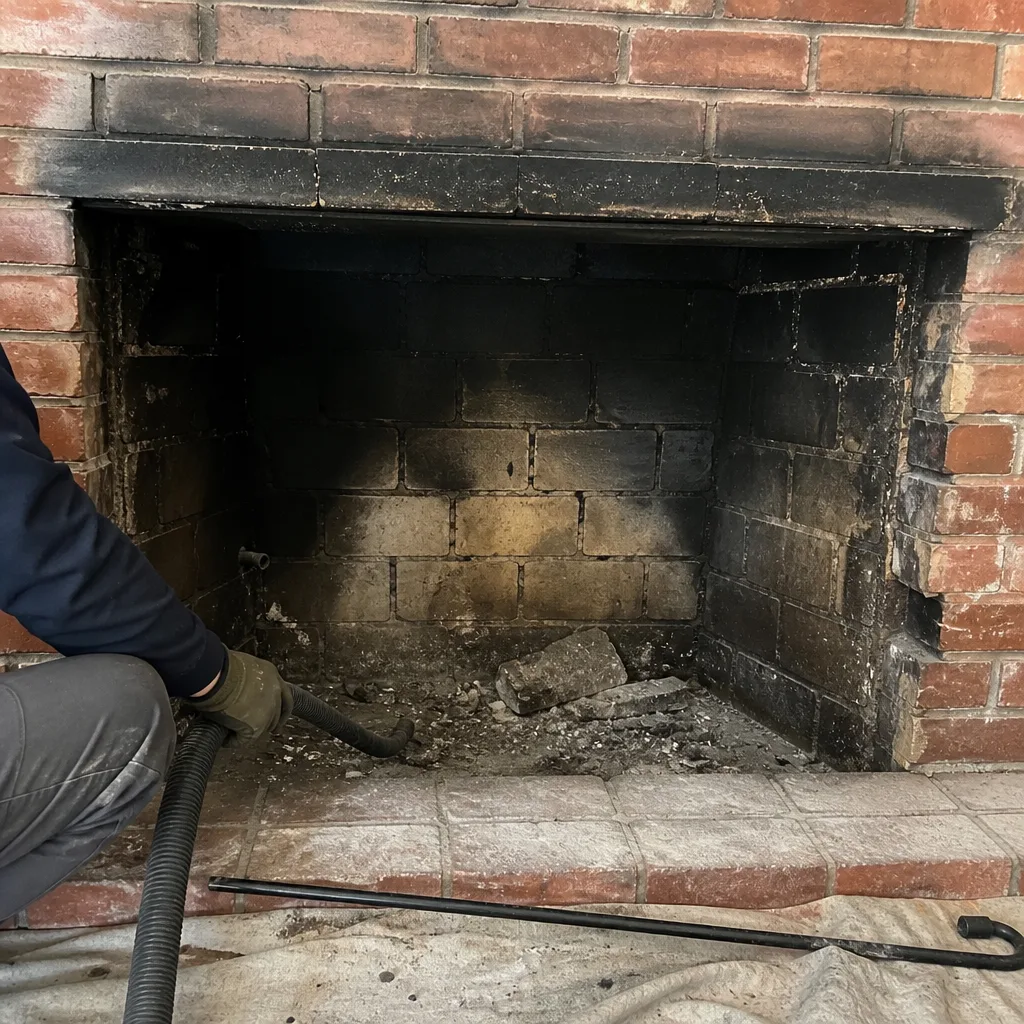
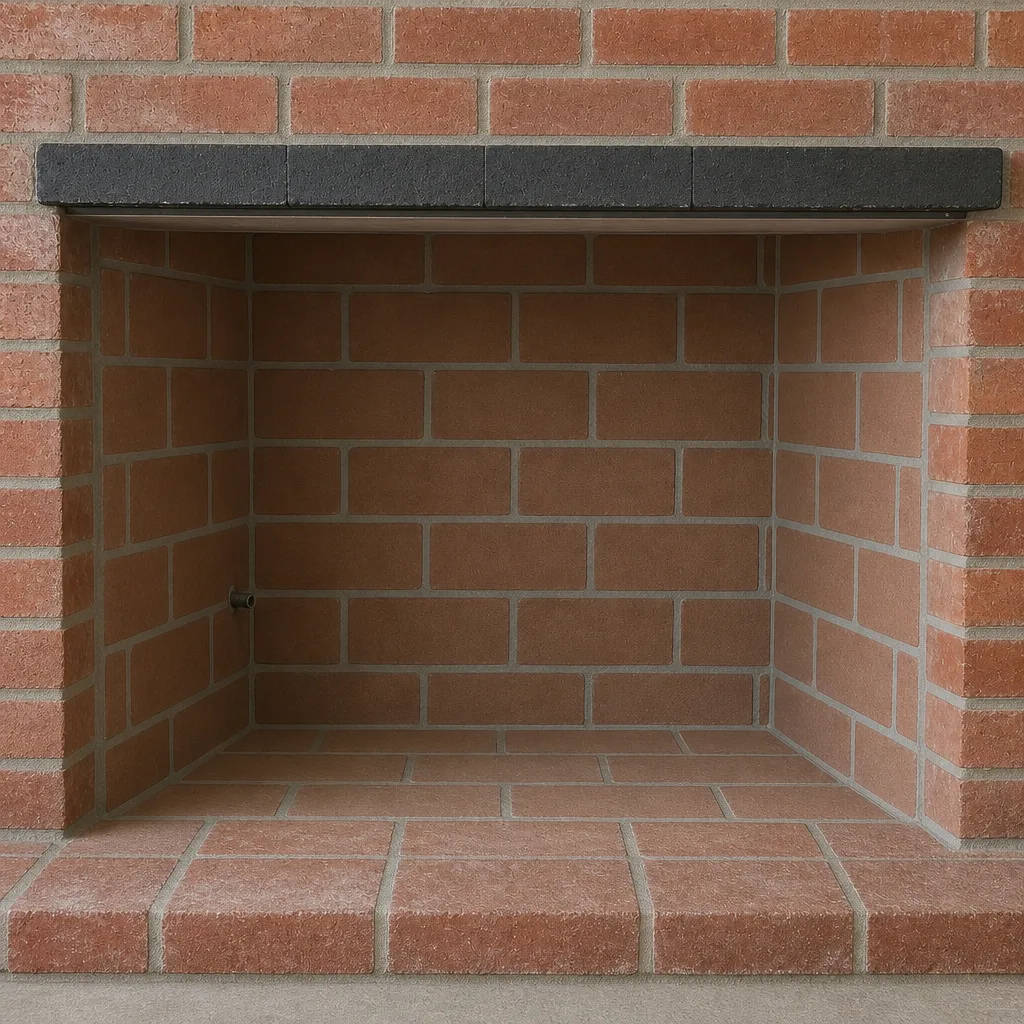
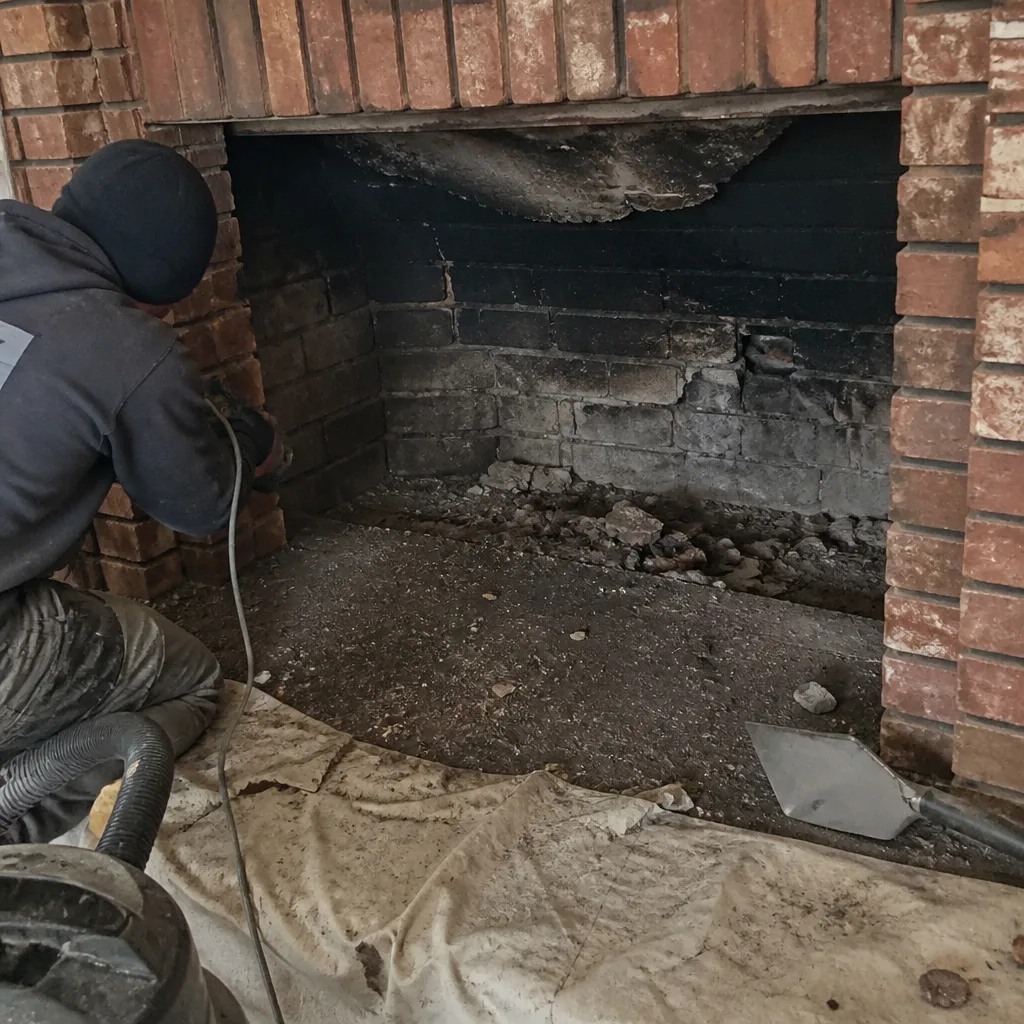
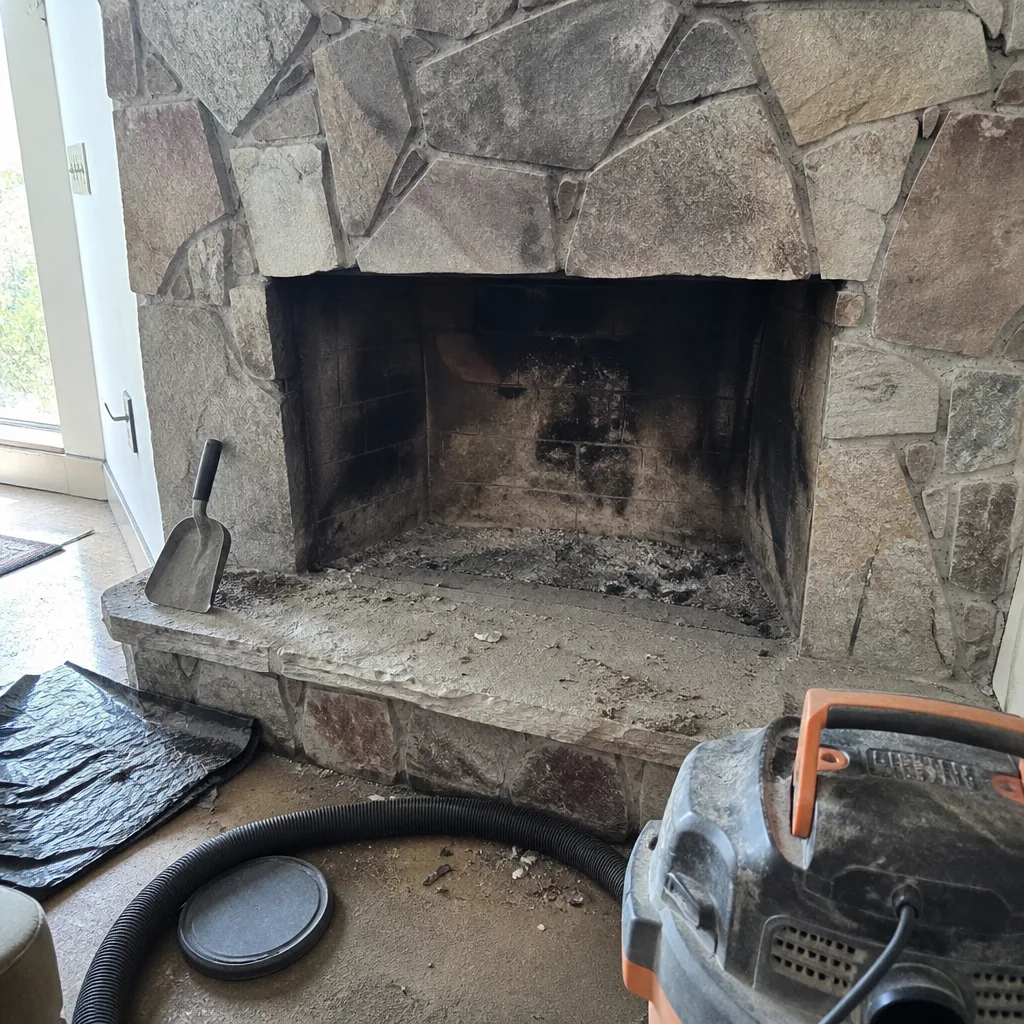
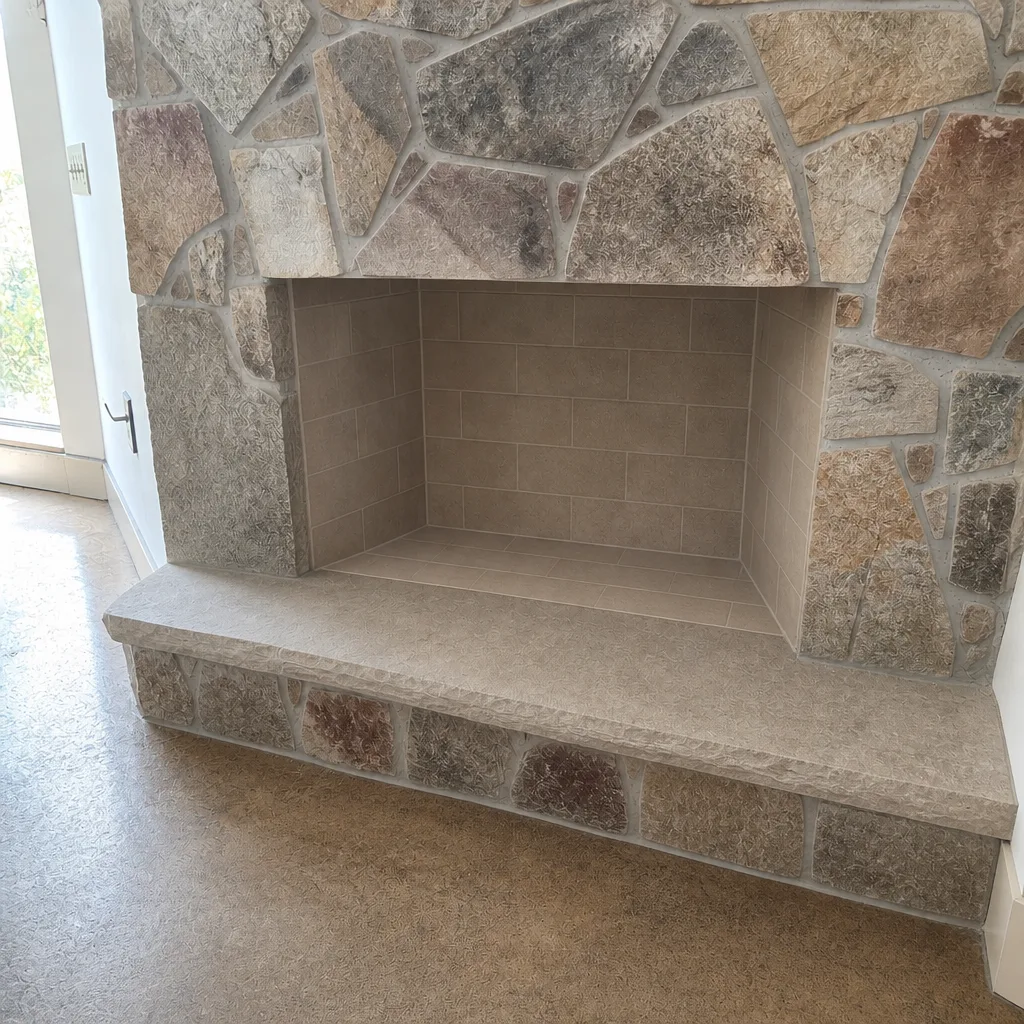
See the difference
 Before
 After
 Before
 After
 Before
 After
When to Call a Professional
Call a professional when you see or smell anything that suggests creosote, a draft problem, or a damaged liner. Specific triggers: a strong smoky smell in the house when the fireplace isn’t lit, smoke rolling into the room when you open the damper, a black or glassy coating above the firebox, soot on the chimney cap or the roof, a crack in the crown or masonry, a change of fuel type, a recent project transfer of ownership, or a chimney fire you suspect happened. None of these are things to diagnose from the ground with a flashlight. Reno Chimney Cleaning offers free estimates in Reno and handles sweep, inspection, and repair as one specialist company – call (844) 543-7293. We answer 24/7, with fast dispatch from 7am to 7pm, Sunday through Friday.
Frequently Asked Questions
Once a year for most wood-burning homes, ideally before the burn season starts. If juniper or pine is your primary fuel or you burn daily, inspect at the start of the season and again mid-season. Gas and pellet venting still needs an annual check. Call (844) 543-7293 for an exact quote – estimates are free.
A routine sweep typically runs a few hundred dollars, with the final price set by a written estimate after the flue is inspected. Level 2 inspections with a camera cost more than a Level 1, and repairs are priced separately. Call (844) 543-7293 to book an estimate – it’s free.
Yes, in most cases. A Level 2 with a camera is recommended at a property transfer because it can reveal liner damage that a visual check from the firebox can’t see. Reno’s older neighborhoods often have original clay-tile liners that have been converted from wood to gas, which is exactly when a camera inspection pays for itself. Call (844) 543-7293 to schedule one.
You can brush a chimney with the right tools if you’re comfortable on a roof and know what to look for, but most homeowners can’t assess the flue liner, smoke chamber, or crown safely. The real risk is glazed creosote and liner damage that need a trained eye. Call (844) 543-7293 for a professional assessment.
Creosote keeps building, and it moves from soft soot into hardened and then glazed layers that a standard brush won’t remove. Glazed creosote is the fuel a chimney fire needs, and the restricted draft can also push smoke and carbon monoxide back into the house. That’s not a scare tactic – it’s what a camera inspection routinely shows. Call (844) 543-7293 to get ahead of it.
Yes. At around 4,500 feet, thinner air means a fire draws less oxygen and runs cooler unless the draft is well-tuned, which produces more creosote per cord. Pair that with high-resin juniper and cool shoulder-season burns, and Reno chimneys tend to build creosote faster than lower-elevation homes. Call (844) 543-7293 to schedule a sweep.
The Bottom Line
Chimney cleaning in Reno is a specialist job because the conditions here – altitude, dry winters, cool shoulder-season burns, and juniper-heavy fuel – push creosote toward the hardened and glazed stages faster than a generic guide accounts for. A complete cleaning covers the firebox, damper, smoke chamber, smoke shelf, and flue, not just the tube. An annual sweep and Level 1 inspection is the baseline; add a Level 2 camera inspection at a home purchase, after a storm, or after a fuel change. And when a repair is needed, match the material to the condition – HeatShield, DuraFlex, or Olympia Chimney – rather than forcing a one-size-fix. If you want a real answer about your flue, call (844) 543-7293 for a free estimate. We inspect before we recommend, and we show you what we see. We answer 24/7, with fast dispatch from 7am to 7pm, Sunday through Friday. Visit our Reno page to learn more, or read about chimney sweep and chimney repair to see how each service works.
Written by the team at Reno Chimney Cleaning.