
Last updated November 15, 2026
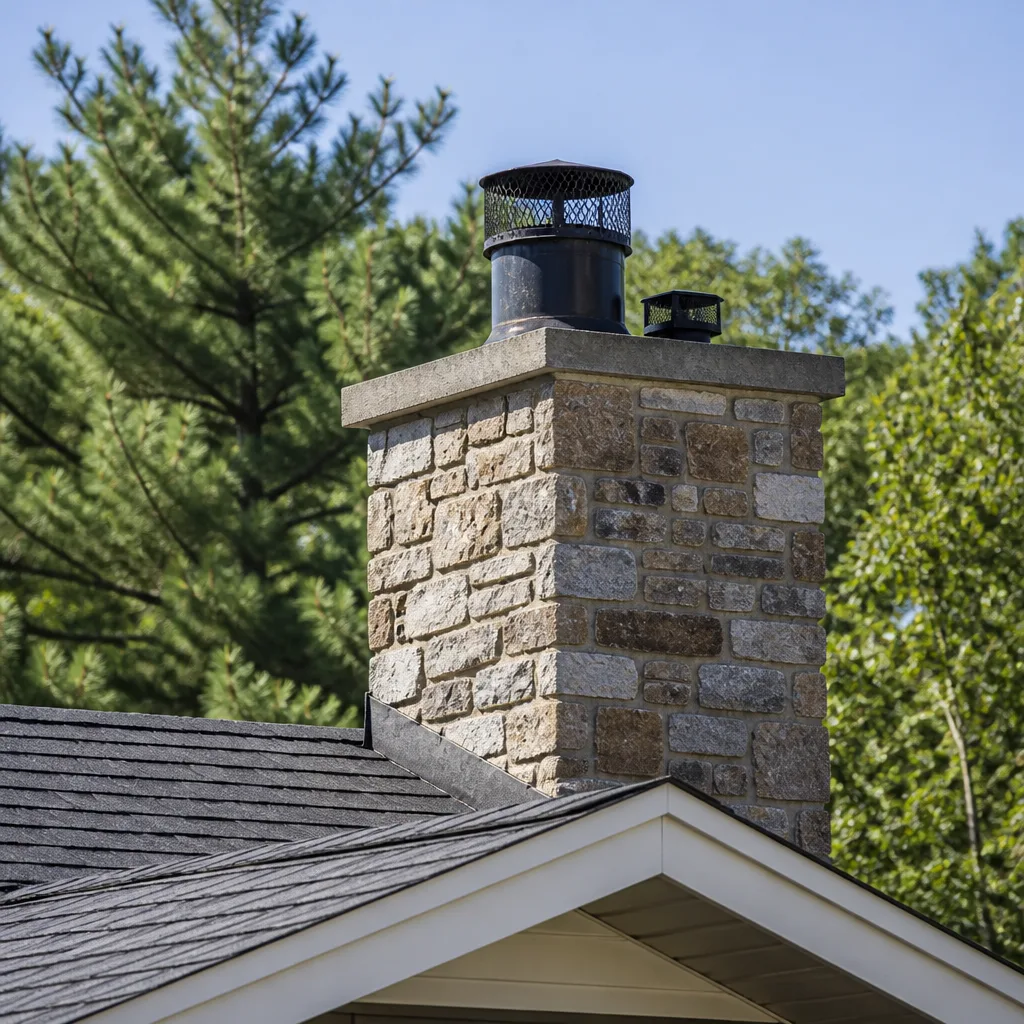 Sweep & inspection
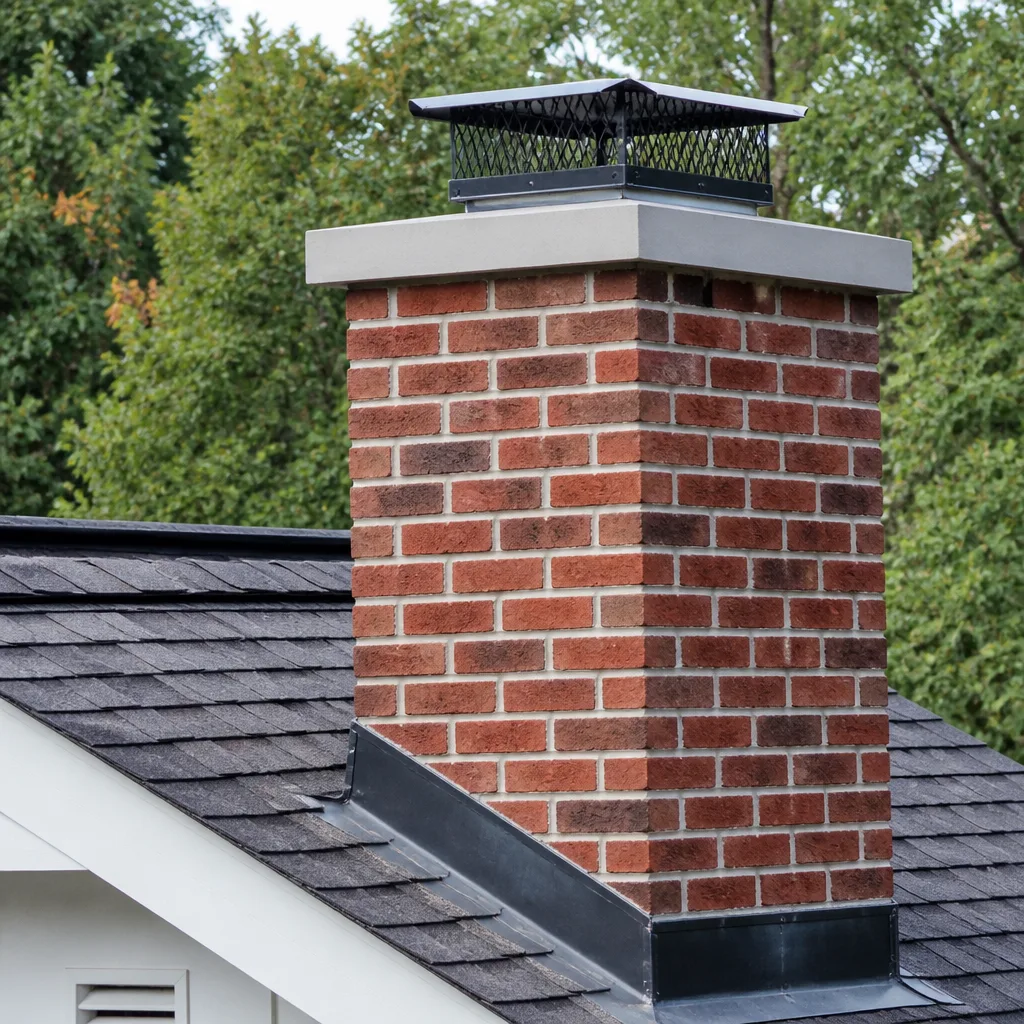 Caps & crowns
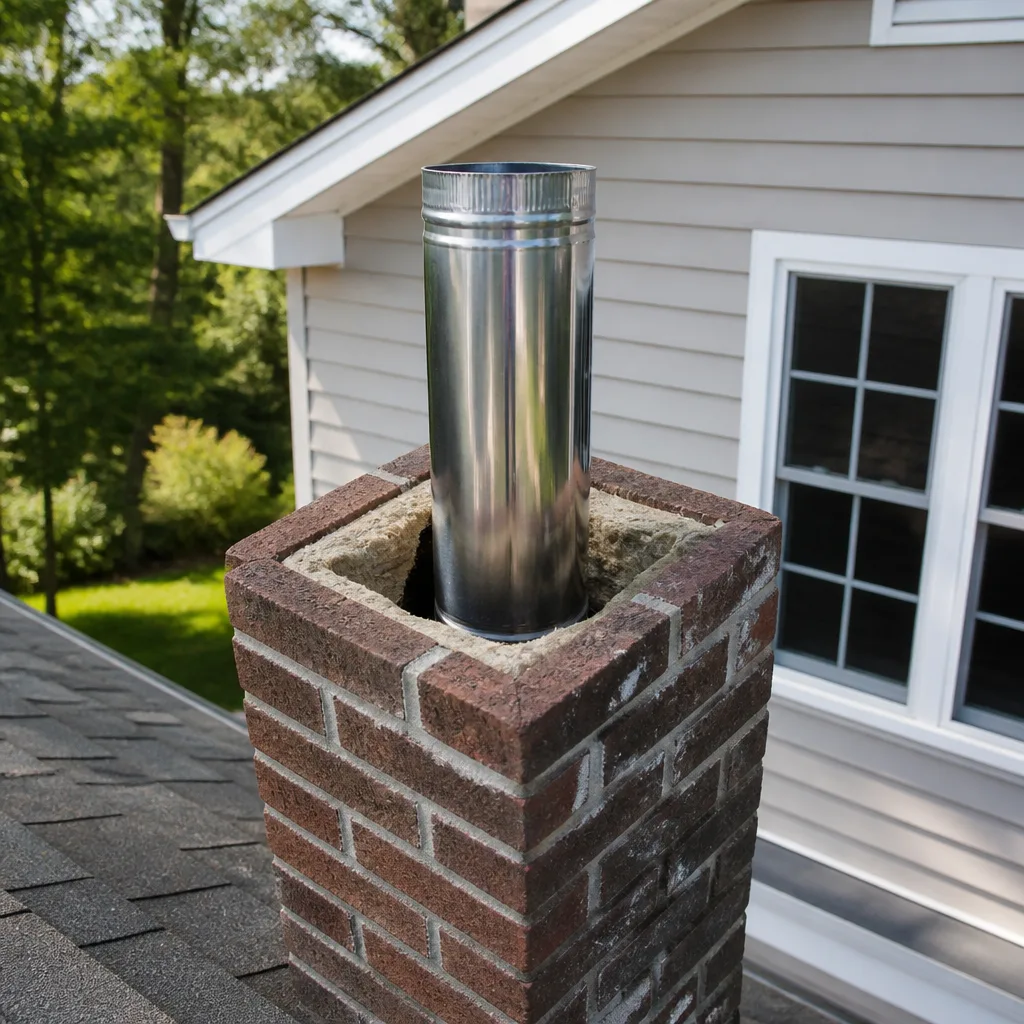 Flue relining
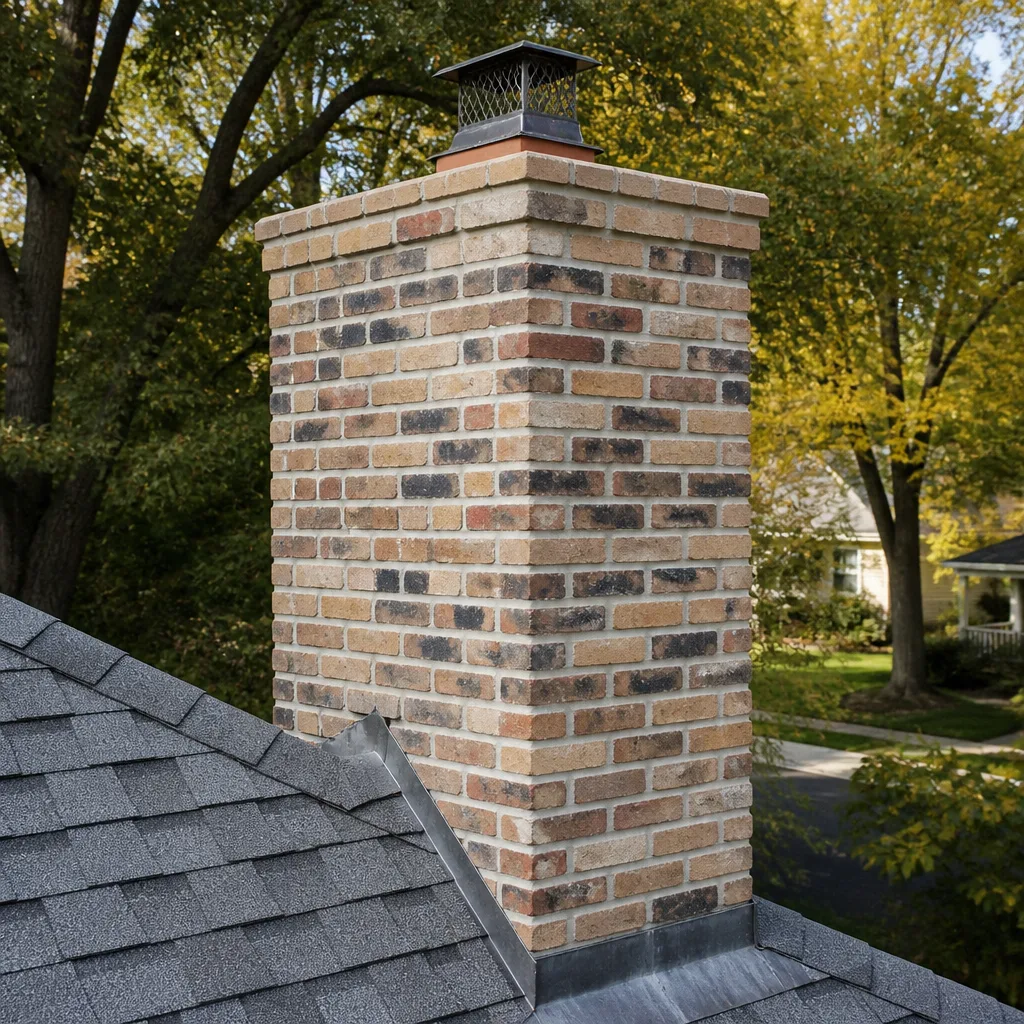 Masonry repair
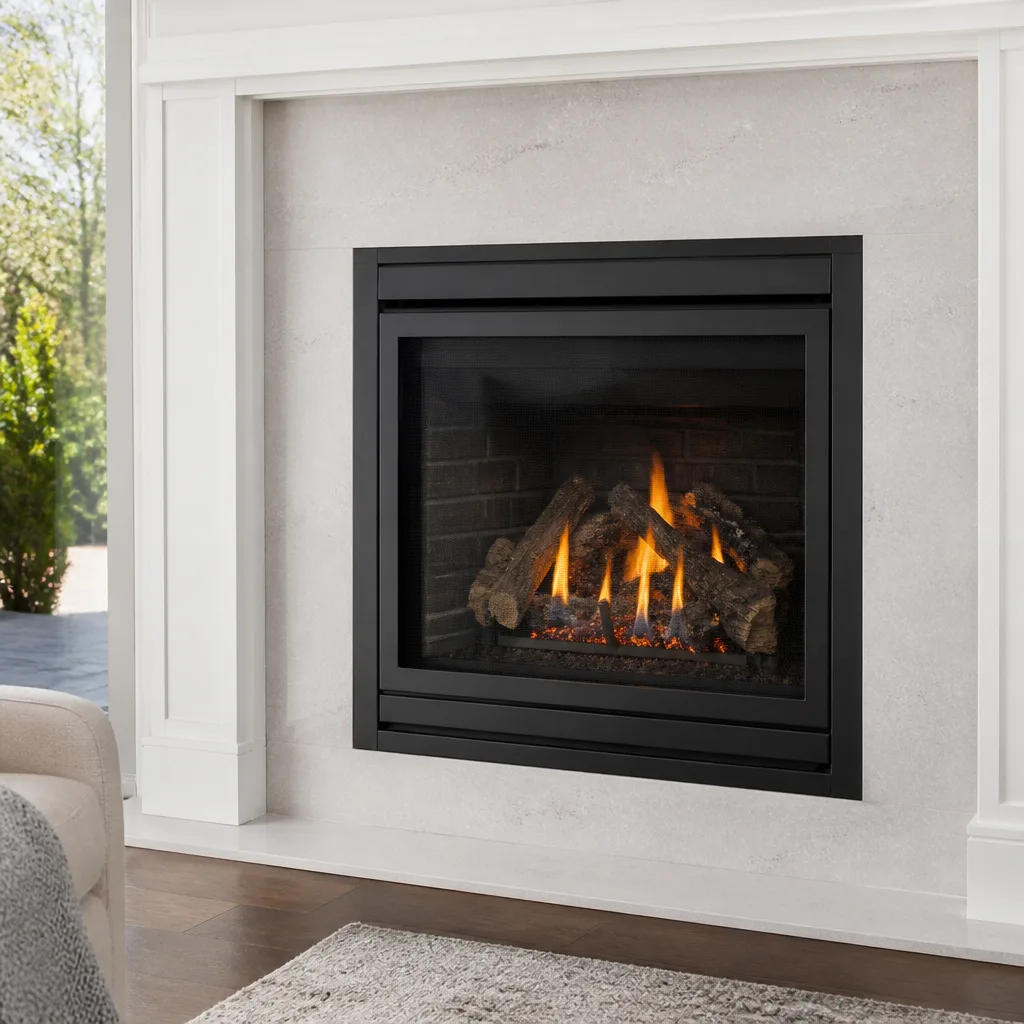 Gas fireplace service
Level 1 sweep and inspection to the NFPA 211 annual standard - flue, crown, cap, and flashing checked and photographed
Chimney sweep logs do not sweep chimneys. They loosen some creosote - which then falls where a brush and vacuum still have to collect it.
Chimney Sweep Troubleshooting in Reno: Common Problems and How to Fix Them
If a chimney sweep can’t tell you why your chimney smokes back before they inspect it, that’s a red flag. Most backdraft complaints trace to one of three measurable conditions: a flue that’s too cold, a house that’s running negative pressure, or a blockage that changes how air moves through the system. None of those are mystery problems, and none of them are solved by a generic “needs cleaning” line item. In this guide, we map the symptoms Reno homeowners actually notice (smoke rolling into the room, odors on warm days, a fire that won’t draw, staining on the chase) to their mechanical causes, explain how Reno’s high-desert altitude and cold-air basin affect draft physics in ways most national guides skip, and show you what you can safely check yourself before you call anyone.
Quick Answer
Most chimney problems in Reno fall into four categories: draft and pressure issues, creosote buildup, moisture and crown damage, and liner or gasket failures. Smoke coming into the house is most often negative pressure or a cold flue, not a dirty chimney. Staining and rust point to water intrusion at the crown or flashing. You can verify some of this from the firebox; anything involving the flue interior needs a camera inspection. Call (844) 543-7293 for a free estimate and a clear diagnosis before anyone recommends work.
Styles & brands we work with
- Sweep & inspection
- Caps & crowns
- Flue relining
- Masonry repair
- Gas fireplace service
Table of Contents
- Why Smoke Comes Into the House (Backdraft and Negative Pressure)
- How Reno’s Altitude and Cold-Air Basin Change Draft Physics
- Creosote Stages and What They Mean for Your Flue
- Crown Damage, Flashing, and Moisture Staining
- Liner Gaps, Gaskets, and When Relining Is Real
- What You Can Check From the Firebox Before Calling
- Which Online “Fixes” Treat Symptoms Instead of Causes
- When Camera Inspection Is the Only Honest Answer
Why Smoke Comes Into the House (Backdraft and Negative Pressure)
Smoke entering the room is a pressure problem before it’s a cleanliness problem. A chimney draws because warm exhaust is lighter than the outdoor air and rises up the flue. When the pressure inside your house is lower than the pressure at the top of the chimney, that flow reverses and smoke comes down instead of going up. Three conditions cause this most often, and each one is measurable.
- Whole-house negative pressure. Bathroom fans, kitchen exhaust hoods, and clothes dryers pull air out of a house that has to be replaced. In a tightly built Reno home, that replacement air can come down the chimney. The test is simple: does the smoking stop when you turn the exhaust fans off and crack a window near the firebox?
- A cold flue. A masonry chimney that hasn’t been used for weeks stays at outdoor temperature. On the first fire of the season, the flue is cold and the smoke has nowhere to go until the masonry warms. This is why the first fire backdrafts and later fires don’t.
- A physical obstruction. A bird nest, a collapsed flue tile, or a cap screen packed with debris will choke the flue regardless of pressure. This shows up as a fire that starts fine and then smokes steadily as it grows.
If you’ve lived in your Reno home for years and the smoking is new, the cause is almost always a change: a new exhaust fan, new windows and weatherstripping, or something fallen into the flue. If the smoking has been there since you moved in, suspect a design or sizing issue, which we cover in the next section. Either way, the technician should be able to describe which of these three conditions is at work before recommending anything. That’s part of what a proper chimney sweep visit should include.
How Reno’s Altitude and Cold-Air Basin Change Draft Physics
Reno sits at roughly 4,500 feet, and that elevation changes how a chimney behaves in ways that a guide written for sea-level readers gets wrong. At altitude, the air is thinner, so there’s less oxygen per cubic foot feeding the fire and less mass in the flue to create stack effect. A chimney that drafts fine at 500 feet can be marginal at 4,500 feet, all else being equal.
The practical results you’ll notice:
- Fires need more air. A fire that used to burn clean at a lower elevation can smolder and produce more creosote at altitude because it’s starved for oxygen. Smoldering fires are the number one source of the heavy, glazed creosote that’s hardest to remove.
- Draft is weaker. Stack effect depends on the temperature difference between the flue and the outdoor air, and it depends on air density. Thinner air means a smaller pressure difference to work with, so flues that are barely tall enough or barely sized correctly backdraft here where they wouldn’t elsewhere.
- Winter inversions trap cold air in the valley. Reno’s cold-air pooling during winter inversions means the air outside your chimney at the top can be warmer than the air at the base, which flips the normal temperature gradient. That’s a direct cause of backdraft on calm, cold mornings.
This matters for troubleshooting because the fix at altitude is often about airflow and flue height, not scrubbing. A technician who doesn’t account for altitude will recommend cleaning when the real answer is a taller termination, a different cap, or a properly sized liner. Our technicians have up to 10 years of experience with Reno chimneys and the specific draft behavior they show.
Creosote Stages and What They Mean for Your Flue
Creosote is the residue left by incomplete combustion, and it exists in three recognizable stages. Each stage means something different for your flue, and each stage requires a different response. Knowing which stage you’re dealing with tells you how urgent the work is.
- Stage 1: soot and flaky dust. This is the light, powdery residue that a brush removes easily. It looks like black paper ash. If this is all you have, a standard sweep handles it and no further work is needed beyond an inspection.
- Stage 2: hard, crusty deposits. These are darker, denser, and cling to the flue walls. They can look like dried tar or brittle potato chips. A brush loosens some of it, but glazed patches need extra attention, and this stage is more flammable than stage 1.
- Stage 3: glazed, hardened creosote. This looks like a shiny black or brown glaze baked onto the flue. It’s the most flammable stage and the most likely to fuel a chimney fire. It can’t be swept out with a brush; it needs chemical treatment or resurfacing, and if the flue is compromised it may need a liner.
The reason stage matters is that stage 3 creosote is the direct link between “I’ll get to it next year” and a chimney fire. It’s fuel sitting on the inside of your flue. The safest response is to stop using the fireplace until it’s assessed, and the technician should be able to show you what’s on the flue with a camera. If a resurfacing system is the right call for your flue, we work with HeatShield, which is the industry’s leading liner resurfacing product, alongside DuraFlex and Olympia Chimney liner systems when a full reline is actually needed.
One Reno-specific note: because altitude makes fires burn less efficiently, stage 2 and stage 3 creosote build up faster here than a lower-elevation sweeping schedule would predict. If you’ve been going by a national “once a year is enough” rule, your flue may be telling you otherwise.
Crown Damage, Flashing, and Moisture Staining
Staining on the chimney chase is a moisture problem, not a soot problem, and it has three usual sources. If you see brown or white streaks running down the outside of the chimney, or rust on a metal firebox or damper, water is getting in somewhere. Diagnosing the source before jumping to a high-dollar repair is the whole point.
The three sources to look at:
- The crown. The crown is the concrete cap on top of a masonry chimney, sloped to shed water away from the flue. Over years of freeze-thaw cycles, hairline cracks open up and water gets in. Reno’s swings between cold nights and warm days push that freeze-thaw cycle hard. A cracked crown that’s otherwise sound can often be resurfaced rather than rebuilt.
- Flashing at the roof line. The metal flashing where the chimney meets the roof is a common leak point. A roofer will sometimes seal the flashing and call it done; what’s usually happening is the flashing has pulled away as the chimney settled, and water is tracking down the masonry behind it.
- The cap or chase cover. A missing or rusted-out cap lets water straight into the flue. Rust on a chimney cap is a signal it’s time to replace it, and a properly sized cap does double duty: it keeps water out and keeps debris and animals from getting in.
White streaking (efflorescence) is a specific sign: it’s the salt deposits left when water moves through masonry and evaporates. It doesn’t mean the masonry is failing, but it does mean water is traveling through it. For weatherproofing, we stock Gelco and Famco cap and ventilation products so the fix and the diagnosis happen in one visit. If a crown or flashing problem is severe enough to have damaged the masonry itself, that’s chimney repair territory rather than weatherproofing.
Liner Gaps, Gaskets, and When Relining Is Real
Liner problems are the ones homeowners hear the most about, and the least about how to verify. A liner’s job is to route combustion gas and heat through the chimney without letting either touch the surrounding wood or masonry. When the liner fails, the risk isn’t just inefficiency; it’s heat exposure to the structure.
There are four liner failure modes, and each has a different fix:
- Tile joint gaps in a masonry flue. Older clay tiles joined with mortar develop gaps as the mortar shrinks and erodes. Small gaps can be resurfaced; heat-rated mortar that’s missing entirely over long stretches needs a full liner.
- Failed gaskets in a gas insert flue. A gas appliance uses a lined flue and gaskets at the connections. A failed gasket leaks combustion gas and condensation. This is a specific, verifiable failure, not a general “your liner is bad.”
- Collapsed or cracked tiles. Visible in a camera inspection, this is a real relining case. If a tile has broken loose and is blocking part of the flue, the flue isn’t safe to use.
- A liner sized wrong for the appliance. A wood stove installed on a flue that was sized for a fireplace often drafts poorly or runs too hot. The fix is the right liner for the appliance, not a fan.
Here’s the point that matters: a recommendation for relining should come with camera images you can see. “You need a new liner” with no images is not a diagnosis; it’s a pitch. We use HeatShield for resurfacing where the flue can be restored, and DuraFlex or Olympia Chimney liner systems where a full reline is required. The right answer is determined by the flue, not by a one-size-fits-all default.
What You Can Check From the Firebox Before Calling
Some checks are safe and useful from the firebox; others aren’t, and knowing which is which saves you time and keeps you safe. Everything below is what you can observe without climbing or opening anything.
- Damper seating. Open and close the damper a few times. Does it close flush, or is there a gap at one edge? A damper that won’t seat fully wastes heat up the flue and can let smoke drift into the room on a cold day. If it’s crusted with soot or creosote, that’s a sign the flue needs attention.
- Smoke shelf buildup. The smoke shelf is the ledge just above the damper. Shine a light up there and look for a thick blanket of soot or debris. A packed smoke shelf disrupts draft and is one of the more common causes of smoke rolling out even with the damper open.
- Firebox staining. Look for dark streaks above the opening or on the face brick. Vertical streaks above the firebox suggest smoke has been escaping the opening, which points to pressure or draft issues rather than a dirty flue.
- Sight up the flue. With a flashlight, look straight up. You should see darkness and, ideally, the faint outline of the flue tiles. If you see daylight coming through in an unexpected spot, or a visible obstruction, stop using the fireplace and call.
- Gasket check on a gas insert. A gas insert has a glass gasket and a flue connection. If you smell gas when the unit isn’t running, that’s a gas issue, not a chimney issue, and you should call your gas provider.
What you can’t verify from the firebox: the condition of the flue above the firebox, the crown, the chase cover, and whether a gap in a tile hidden higher up has compromised the liner. Those need a camera inspection or a rooftop look. If you check the firebox and it’s clear, that narrows the diagnosis but doesn’t replace an inspection.
Which Online “Fixes” Treat Symptoms Instead of Causes
Draft inducers, chemical creosote cleaners, and chimney fans are the three most commonly sold online remedies for fireplace problems. Each has a legitimate place, and each gets misapplied constantly. The honest way to sort them is by asking whether the product addresses the mechanical cause or just the discomfort you’re experiencing.
- Draft inducers. A draft inducer is a fan that mechanically pulls air up the flue. It’s the right solution in a specific case: a flue that’s correctly sized but too short or in the wrong position to establish natural draft. It’s the wrong solution if the real problem is a blocked flue, a failed liner, or a pressure imbalance caused by an exhaust fan. Installed in those cases, it masks a safety problem.
- Chemical creosote cleaners. These products change the chemistry of creosote so it brushes off more easily. They work on stage 2 deposits. On stage 3 glazed creosote, they soften the surface but don’t remove it, and a sweep still has to follow. Used without a sweep, they don’t reduce the fire risk.
- Chimney-top fans and caps with fans. These help with draft, not with creosote, liner cracks, or water intrusion. A fan that keeps smoke from rolling into the room does nothing about the cracked tile behind it.
- Chimney deodorizers and “smoke-away” sprays. Odor on a warm day comes from creosote in the flue or from a pressure reversal bringing flue air into the house. A spray covers the smell without changing either cause.
We’re not against these products; we’re against using them instead of a diagnosis. The pattern we see in Reno is a homeowner who bought a draft inducer for a smoking fireplace, installed it, and stopped looking. The underlying liner gap was still there. If you’ve tried one of these and the problem persists, that’s a signal to get an inspection rather than buy a second product.
When Camera Inspection Is the Only Honest Answer
A camera inspection is the only way to see the inside of your flue above the firebox. Not every problem needs one, but a specific set of symptoms does. The line is about whether the cause is visible from the firebox or not.
These situations call for a camera inspection:
- Suspected liner damage: gaps, cracks, or a collapsed tile.
- A chimney fire, even a small one you think you put out quickly.
- Smoke backdraft that persists after the firebox checks are clean and the pressure test is inconclusive.
- Any recommended relining or resurfacing before work is booked.
- A new appliance installation or a wood stove being added to an existing flue.
- Buying a home with a fireplace of unknown history.
The point of the camera is to make the diagnosis verifiable. If we recommend HeatShield resurfacing or a DuraFlex or Olympia liner, it’s because the camera showed us the condition that calls for it, and you see the images before anything is scheduled. That’s how we work on every Reno Chimney Cleaning inspection. A chimney sweep visit without a camera is a brush and a hope; a sweep with a camera is a diagnosis.
Common Mistakes to Avoid
- Treating backdraft as a cleaning problem. Smoke coming into the room usually means a pressure or draft issue, not a dirty flue. Sweeping first and hoping is the most common wasted step we see in Reno homes.
- Burning unseasoned wood to “get through” a cold snap. Wet wood smolders and produces heavy creosote faster than dry wood, and at Reno’s altitude the smoldering is worse. Season your wood properly before the first fire.
- Ignoring a rusted chimney cap because “it still keeps rain out.” A rusted cap is often letting water in at the seams and running it down the flue. It’s an inexpensive fix when caught early.
- Buying a draft inducer before the flue has been assessed. A fan masks a blocked flue or a liner gap instead of fixing it. Get the diagnosis first.
- Skipping the camera because the sweep “looked fine.” The firebox can look clean while a tile gap higher up is exposing framing. The camera is what makes the all-clear honest.
- Assuming the national once-a-year sweeping rule fits a Reno flue. Altitude and cold-air inversions make this a starting point, not a guarantee. Use the deposit layer you actually have to set the interval.
- Letting a generalist handyman handle a chimney repair. A chimney is a system: liner, crown, cap, flashing, and damper. A roofer fixes the flashing, a mason fixes the crown, and neither signs off on the flue. One specialized company handling sweep, inspection, and repair is how the pieces stay consistent.
See the difference
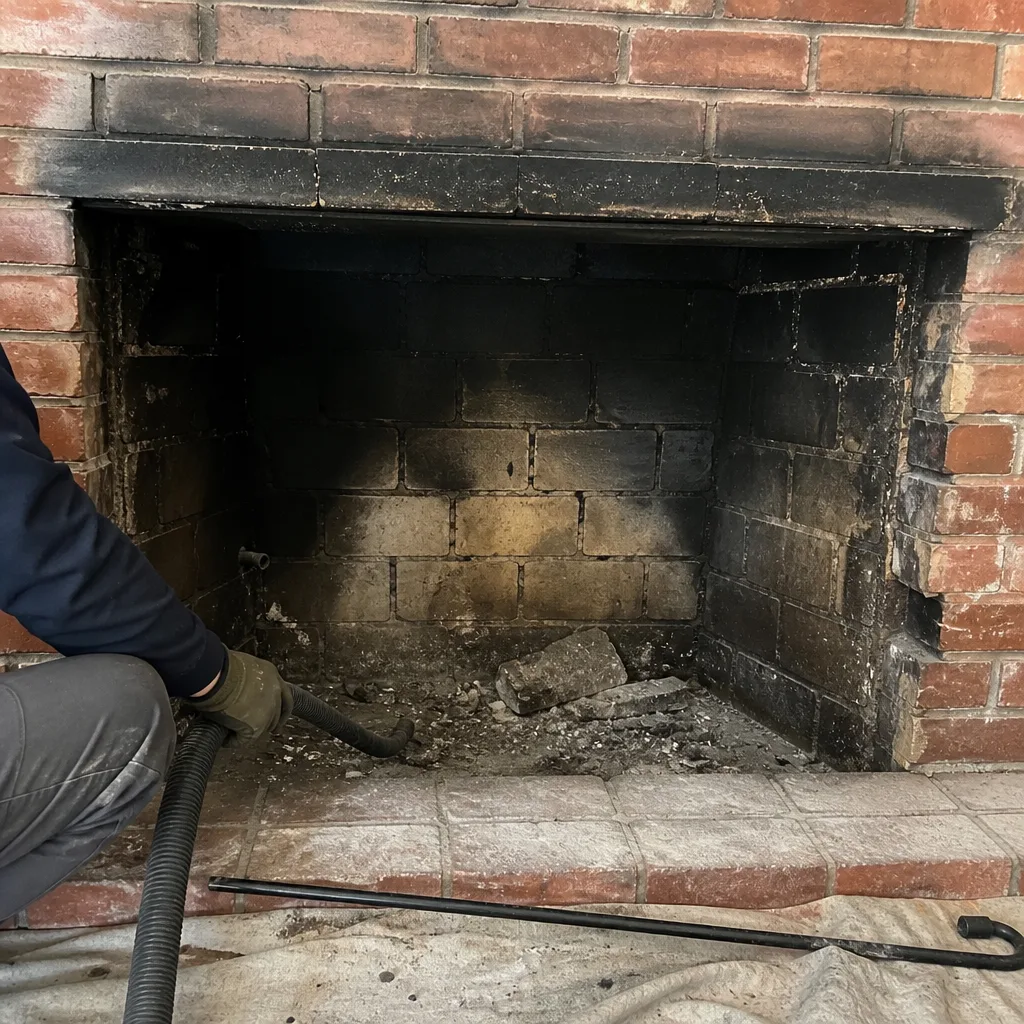 Before
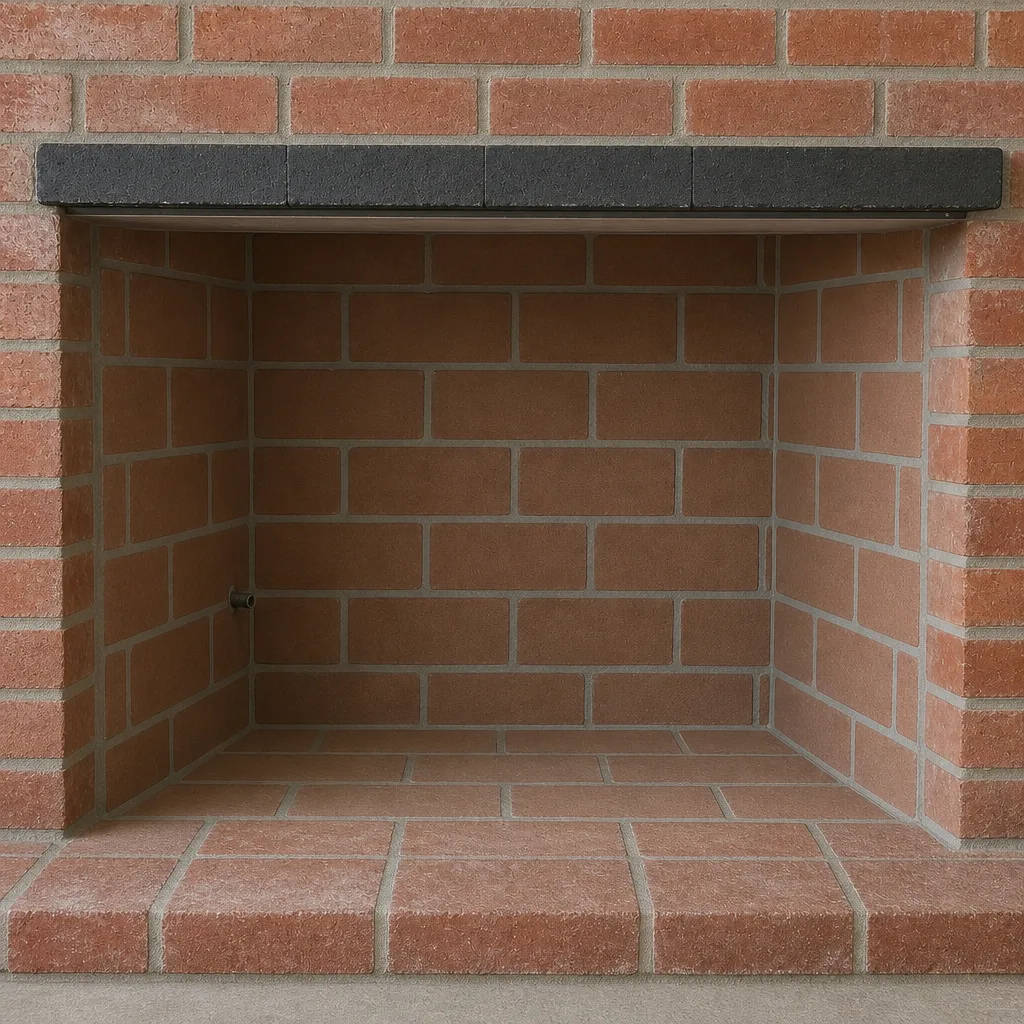 After
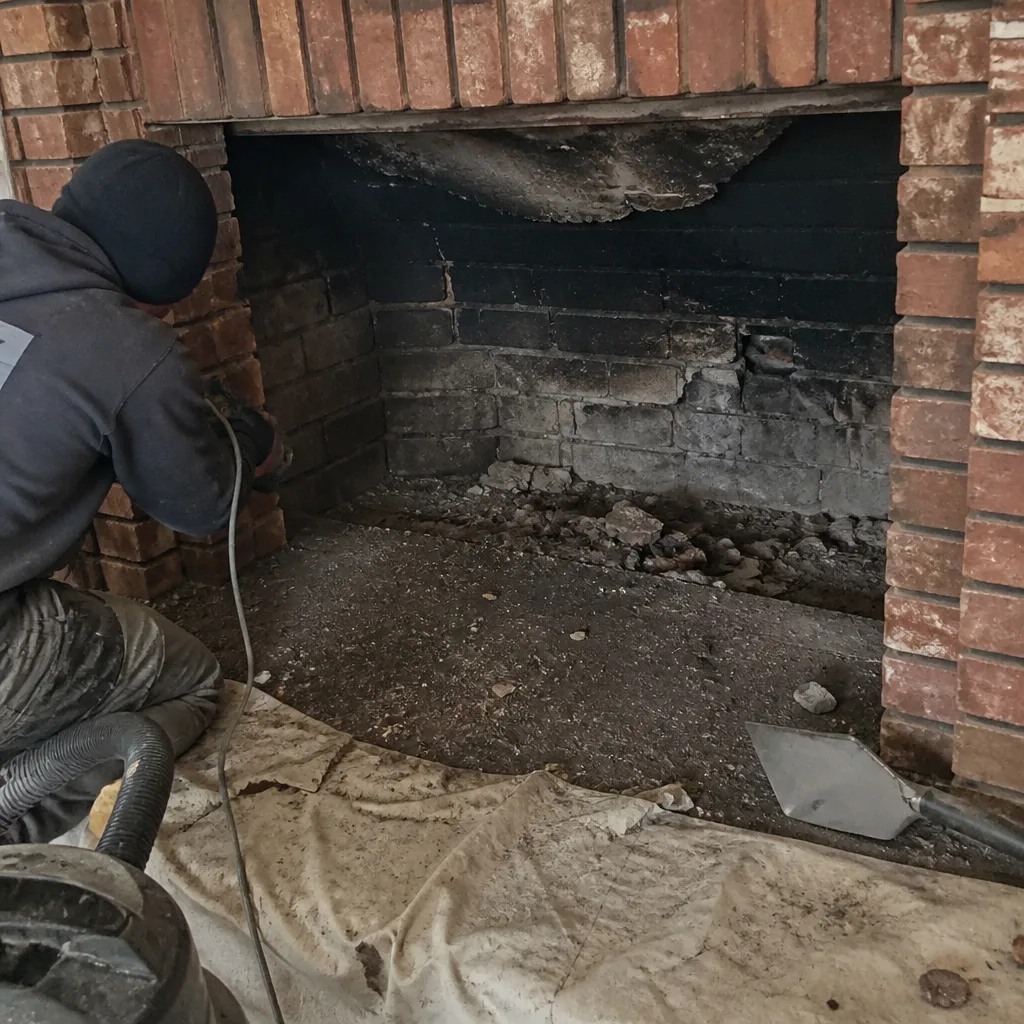 Before
 After
 Before
 After
When to Call a Professional
Call us the moment any of these appear: smoke rolling into the room that doesn’t stop when you open a nearby window, a smell of creosote in the house when the fireplace isn’t running, visible cracking on the chase or crown, or any sign of a past chimney fire such as a distorted cap or heat-blistered paint on the firebox. Also call if you’ve never had the flue inspected in a home you’ve recently moved into, and before you use a fireplace or wood stove for the first cold snap of the season. Our technicians have up to 10 years of experience and are trained on chimney-specific diagnostics, not plumbing or roofing. Reno Chimney Cleaning offers free estimates in Reno. Call (844) 543-7293. We answer 24/7. Fast dispatch from 7am to 7pm, Sunday through Friday. Closed Saturday.
Frequently Asked Questions
Smoke coming into the house is almost always a pressure or draft problem, not a dirty chimney. The most common cause is whole-house negative pressure from exhaust fans pulling more air out of the house than is coming in, so replacement air comes down the chimney. A cold flue on the first fire of the season and a physical obstruction like a bird nest are the other two frequent causes. Call (844) 543-7293 for an exact quote, estimates are free.
Yes, and more than most guides acknowledge. At roughly 4,500 feet, the air is thinner, so a fire gets less oxygen and the stack effect that drives draft is weaker. That means flues that would be fine at sea level can be marginal here, fires smolder more easily, and creosote builds faster. Call (844) 543-7293 for an exact quote, estimates are free.
The safe rule is to sweep whenever the creosote deposit reaches an eighth of an inch, and for many Reno homes that means once a year. Altitude and cold-air inversions can push build-up faster here than the national average, so use the deposit layer on the flue, not the calendar alone. Call (844) 543-7293 for an exact quote, estimates are free.
Sometimes yes, sometimes no, and the difference has to be shown to you on camera. A cracked or collapsed tile, a long gap in the tile joints, or an appliance that’s wrong for the flue all call for a liner. Small joint gaps can often be resurfaced with HeatShield instead, and that’s the call we make from the images, not from a default. Call (844) 543-7293 for an exact quote, estimates are free.
If the deposit is light, the risk is low and the work can wait; if the creosote is glazed and heavy, the risk is a chimney fire because that glaze is fuel sitting inside the flue. The only way to know which case you’re in is to look. We tell you plainly when the work can safely wait. Call (844) 543-7293 for an exact quote, estimates are free.
A standard chimney sweep in the Reno market typically runs in the low hundreds of dollars, with inspection and any repair priced separately. The written estimate sets the final price per job, so ask for the estimate in writing before work is booked. Call (844) 543-7293 for an exact quote, estimates are free.
The Bottom Line
Most chimney problems homeowners notice in Reno trace to a diagnosable mechanical cause. Smoke in the room is usually pressure or a cold flue. Odor on warm days points to creosote or a pressure reversal. Staining means water is getting in at the crown, cap, or flashing. Slow draw can mean a blockage, a low draft margin at altitude, or a liner that isn’t sized right. You can verify some of this from the firebox, but anything inside the flue needs a camera and an honest technician who will show you what they see. When in doubt, get the diagnosis before you book the work. Explore more about our services in Reno.
If you’ve been putting off a sweep or a repair, we can help. Reno Chimney Cleaning handles sweeping, inspection, and repair under one roof, with professional-grade materials from HeatShield, DuraFlex, Olympia Chimney, Gelco, and Famco. Call (844) 543-7293 for a free estimate. We answer 24/7. Fast dispatch from 7am to 7pm, Sunday through Friday. Closed Saturday.
Written by the team at Reno Chimney Cleaning.