
Last updated November 15, 2026
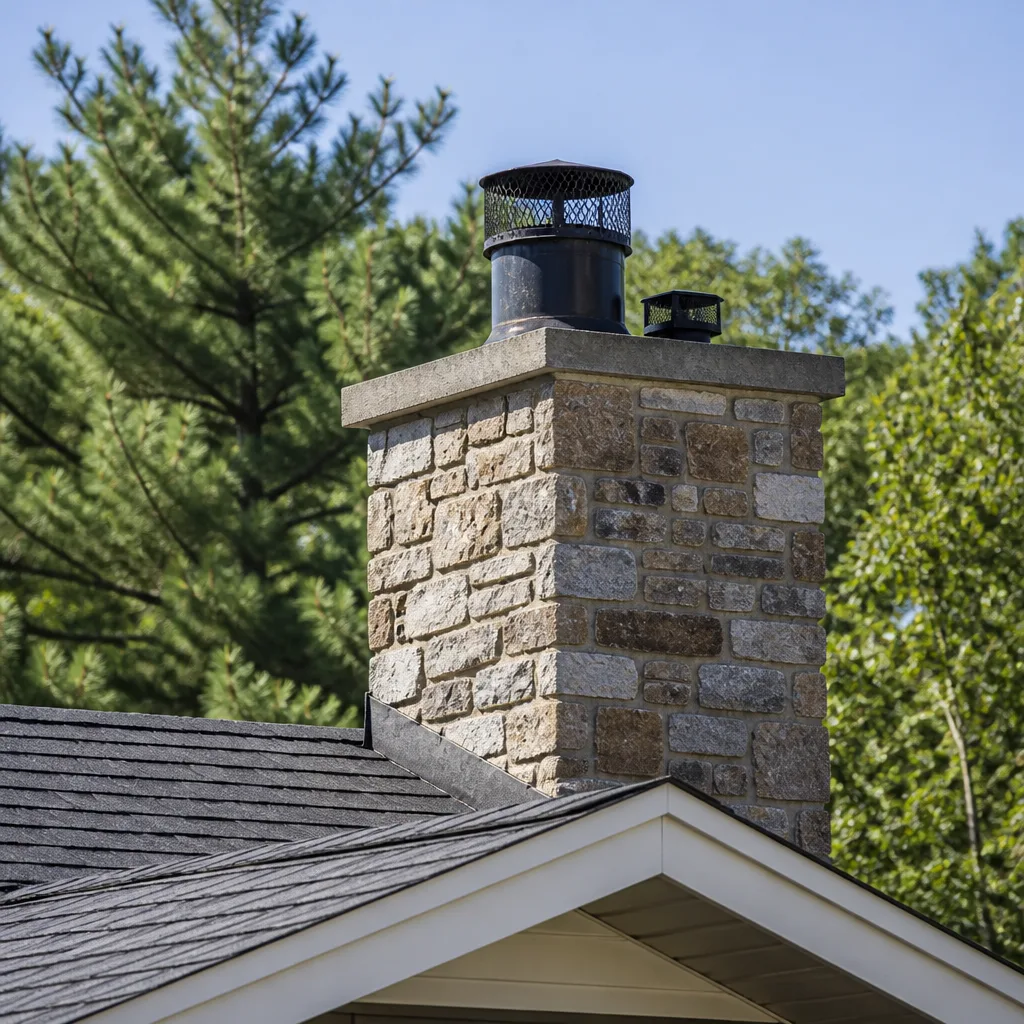 Sweep & inspection
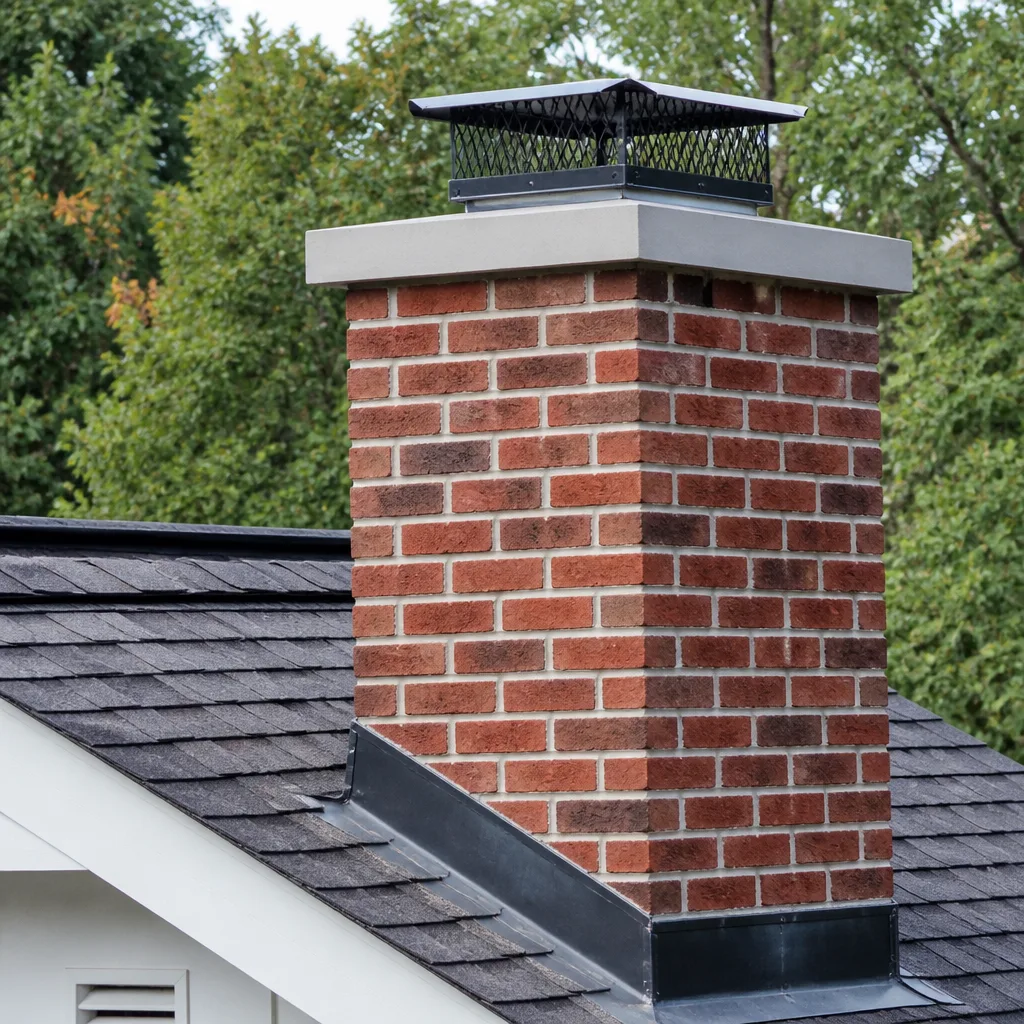 Caps & crowns
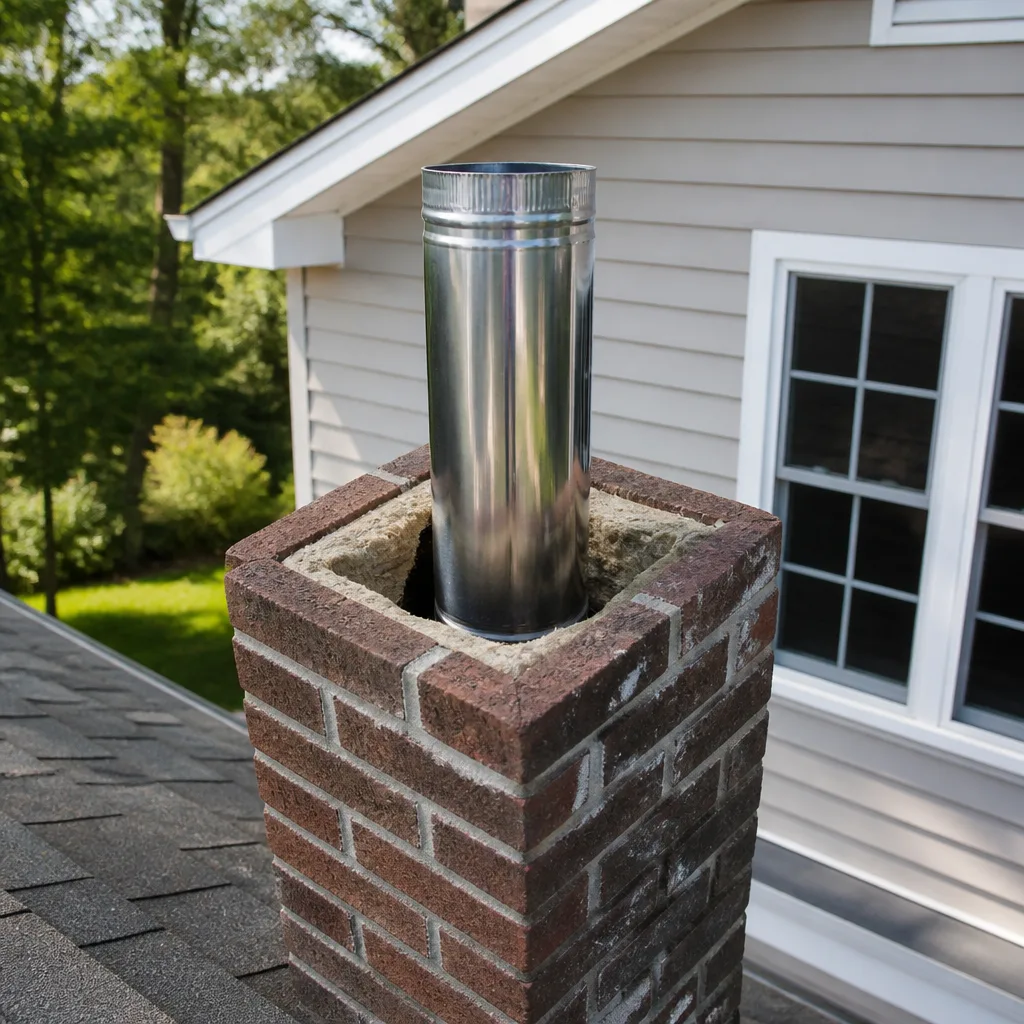 Flue relining
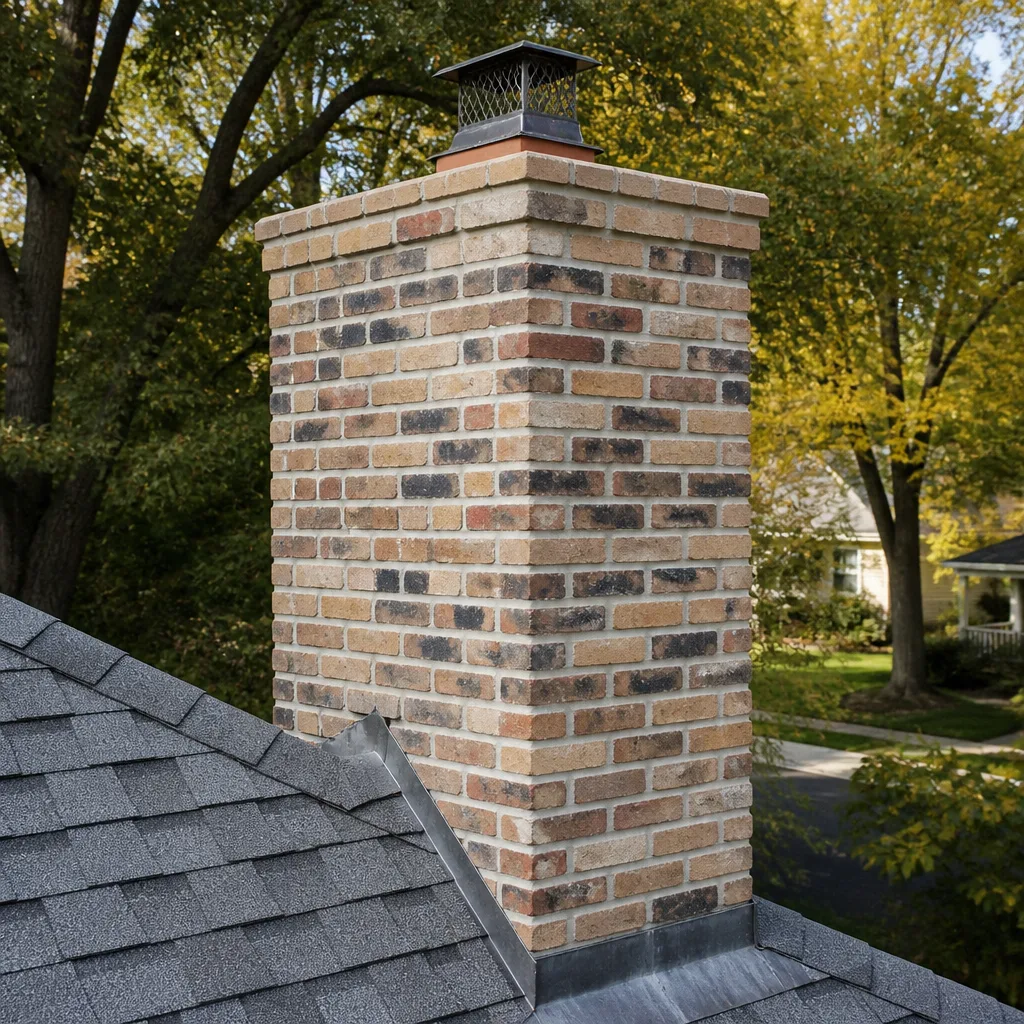 Masonry repair
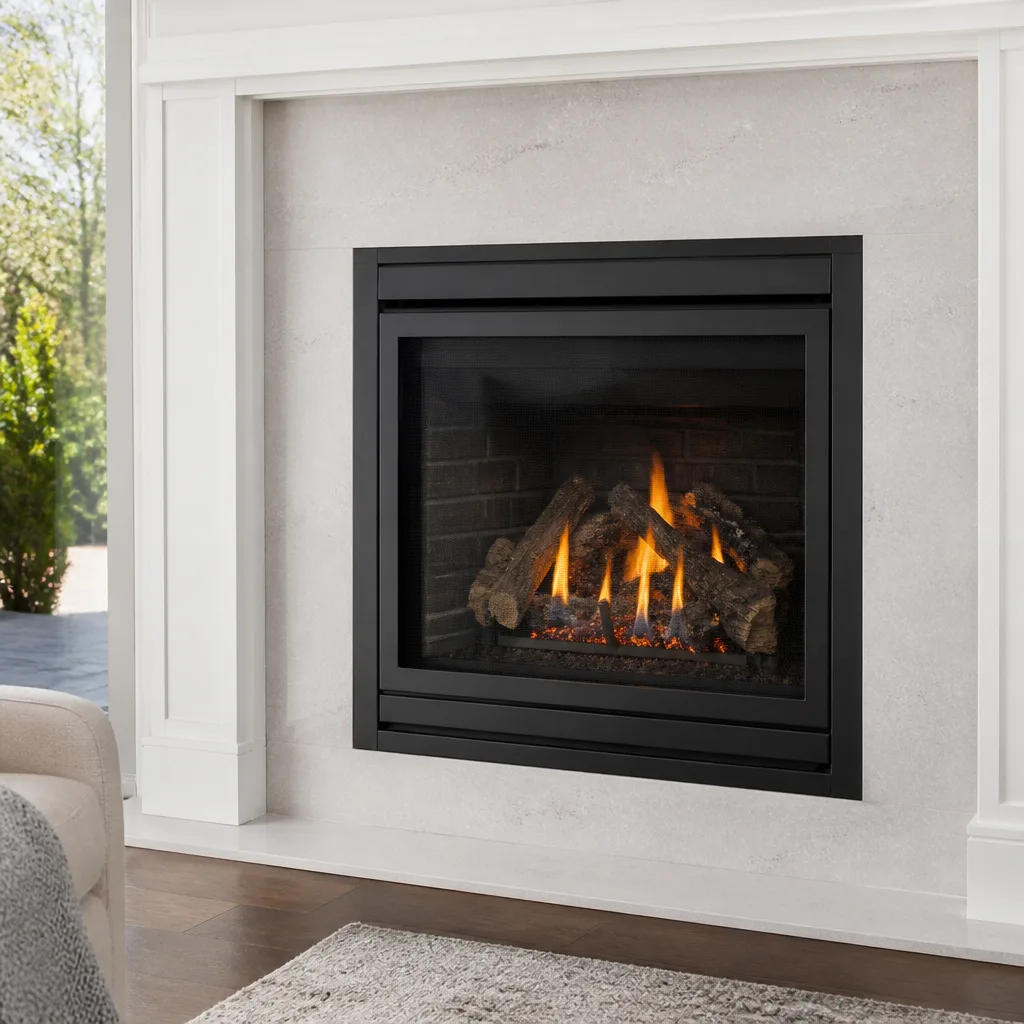 Gas fireplace service
Level 1 sweep and inspection to the NFPA 211 annual standard - flue, crown, cap, and flashing checked and photographed
Chimney sweep logs do not sweep chimneys. They loosen some creosote - which then falls where a brush and vacuum still have to collect it.
Chimney Sweep Maintenance Schedule: What to Do and When
The industry standard says every chimney gets inspected once a year. That standard applies to a fireplace you light twice a season and a wood insert you run six nights a week, which is like telling two very different drivers to change their oil on the same schedule. One is fine. The other is running on borrowed time. A real maintenance schedule for a Reno chimney depends on what you burn, how often you burn it, and what the appliance is made of. Get that wrong in either direction and you’ll either pay for work you don’t need or skip work you do. This guide builds a calendar around your chimney instead of a generic checklist, and shows you what falls to you between visits and what belongs to a specialist.
Styles & brands we work with
- Sweep & inspection
- Caps & crowns
- Flue relining
- Masonry repair
- Gas fireplace service
Quick Answer
Most Reno chimneys need a professional sweep and inspection once a year, but heavy wood burners should add a mid-season check, and every solid-fuel appliance needs a post-season liner assessment. Gas appliances still need annual inspection even though they produce no creosote. The best windows are September (before the burn season), January (mid-season for heavy users), and April (after the last fire).
Table of Contents
- Why a Real Schedule Beats a Once-a-Year Rule
- The Schedule by Appliance Type
- How Reno’s Burn Season Changes the Calendar
- The Three Maintenance Windows That Matter
- What You Can Check Between Professional Visits
- Gas Appliances Need Maintenance Too
- Reading the Signs: When Creosote Tells You to Call Early
- Choosing a Specialist Who Inspects Before Recommending
- Common Mistakes to Avoid
- When to Call a Professional
- Frequently Asked Questions
- The Bottom Line
Why a Real Schedule Beats a Once-a-Year Rule
The once-a-year rule is a good floor. It is a poor standard. The carbon deposits inside your flue build up at a rate set by how hot your fires burn, how dry your wood is, how long your flue stays warm, and how often you light it. Two homes on the same street in Reno can end a winter with completely different amounts of creosote, one a light dusting and the other a glazed layer that ignites well below the temperature a normal fire reaches.
That’s why the better question isn’t “has it been a year?” It’s “how hard did this chimney work?” A chimney used lightly needs a sweep and inspection to confirm nothing has shifted since last season. A chimney run hard needs eyes on it mid-season so you catch buildup before it stages into something harder to remove and riskier to leave.
Sweeping and inspection are two different jobs. A sweep removes what’s accumulated. An inspection evaluates the condition of the flue, the crown, the damper, and the smoke chamber so you know what the next year holds. A visit that does one without the other leaves you guessing. In our experience the homes that avoid big repair bills are the ones where somebody looked every year and caught a hairline crack while it was still a hairline crack.
We inspect before we recommend. That sequence matters, and it’s the backbone of everything below. For a full picture of what a routine visit involves, see our page on the chimney sweep.
The Schedule by Appliance Type
Not every appliance in a Reno home works the same way, and treating them alike is where maintenance schedules go wrong. Here’s how we break them down.
Open masonry fireplace
The classic open hearth is the most forgiving appliance because it moves a huge volume of room air up the flue and burns relatively cool. It also produces the most smoke spillage into the room and the most gradual creosote on the upper flue walls. Schedule one sweep and inspection a year, in the pre-season window. What technicians look for: cracked firebrick, loose mortar at the smoke chamber, a damaged damper, and a crown that’s letting water in.
Wood-burning insert
An insert is a far more efficient burner and a far harder worker on the flue. It runs hotter, it keeps exhaust in the chimney longer to extract heat, and it produces cooler flue gases at the top, which is exactly the condition that stages creosote faster. Heavy insert users should plan a mid-season check on top of the annual sweep. Technicians inspect the liner itself, the connection at the collar, and how the flue is drafting under load. Relining, when it’s needed, is matched to the appliance rather than a universal fix, which is why we work with chimney repair materials like DuraFlex and HeatShield for the right scenario.
Gas insert and gas log set
Gas doesn’t create creosote, so the assumption that it needs nothing is understandable and wrong. Gas appliances produce moisture and mild acidic condensate, and they still vent through a flue that gets inspected, tested for spillage, and checked for a blocked or deteriorated vent path. Annual inspection applies. See the gas section below for what technicians watch for.
Pellet stove
Pellet appliances burn clean and leave little in the flue, but they produce ash that migrates into the vent and can clog the termination cap. An annual inspection and vent cleaning covers it. The appliance itself needs ash removal and a look at the burn pot, which falls to the homeowner or an appliance technician rather than a chimney specialist.
When your sequence needs a technician the same day matters less than getting it booked before the snow flies. A call to our line gets you scheduled into the next opening rather than waiting on a callback.
How Reno’s Burn Season Changes the Calendar
Reno sits at about 4,500 feet in a high desert valley, and the cold season here runs longer and harder than it does in the lower parts of Nevada. That single fact reshapes a maintenance schedule. When the cold stretches run long, homeowners burn more consecutive nights, feed the fire heavier loads, and keep the flue warm for months at a stretch rather than lighting it on and off through a mild winter.
Compressed usage accelerates creosote staging. A chimney that gets a fire most nights from November into March is doing two or three times the work of one that sees weekend fires. The same annual sweep still applies, but the mid-season check moves from optional to smart.
Reno’s dry climate adds a second layer. The valley’s low humidity is kind to masonry in some ways but does nothing to protect an exposed crown or flashing from freeze-thaw cycles at elevation. Water intrusion through a cracked crown, a failed cap, or worn flashing shows up as spalling brick and a rusty damper. That’s why April’s post-season assessment is more than a housekeeping step in a high desert town; it’s when you catch what winter did. A properly fitted cap and ventilation products like the Gelco and Famco lines we stock cover both weather protection and draft correction in one visit.
Neighborhoods shape it too. Homes up toward the foothills see more wind exposure and more debris in the cap, while flatter parts of the valley see more settling and yard debris into the flue termination. Either way, the Reno chimney still wants the same three-window approach.
The Three Maintenance Windows That Matter
There are three moments in the year when chimney maintenance does the most good. Miss them and you either spend money on a schedule that doesn’t fit or run a flue you haven’t looked at.
- Pre-season (September). The main sweep and inspection before the first fire. Creosote gets cleared, the flue gets examined, and any repair has time to happen before you need the fireplace. This is the one visit everyone should book.
- Mid-season check (January). For heavy users, meaning most nights or sustained multi-hour burns, a mid-season look catches creosote staging and any liner movement before it becomes a spring repair. Not everyone needs this one. If you burn a few fires a week, skip it.
- Post-season liner assessment (April). After the last fire, before the flue sits dormant. This is when technicians look at the liner, the crown, the flashing, and the firebox with fresh eyes and time to plan repairs without a deadline. It’s also the best window to schedule any relining work during the off-season.
Booked in this order, the three windows cover annual safety, mid-season confidence for hard-use homes, and off-season planning. The cost is set per job by a written estimate, so you’ll always know the number before anything happens. To see how the full picture fits together, start with Reno Chimney Cleaning.
What You Can Check Between Professional Visits
You don’t need a ladder to keep an eye on your chimney between sweeps. A few simple checks catch most developing problems early, and none of them involve going onto a roof or reaching into the flue.
- Cap inspection from the ground. Look at the chimney cap with binoculars from the yard. A missing, warped, or rusted cap lets water and wildlife in. Damaged mesh invites birds and squirrels into the flue, and a blockage there is a carbon monoxide hazard the moment you light a fire. Replace a failed cap before the burn season.
- Damper function. Open and close the damper fully a few times before you light the first fire. It should move smoothly and seat fully open and closed. A damper that sticks wide open lets warm room air escape all winter; one stuck shut sends smoke into the room.
- Ash removal thresholds. Empty the firebox when ash builds to a couple of inches, and always leave a bed of ash under the grate for insulation. Keep ashes in a metal container away from anything combustible for a day or two before disposing of them, since embers can stay hot far longer than they look.
- Smoke and smell checks. A backdraft, lingering smoke smell in the room, or a cold-draft smell that won’t clear on a cold morning points to a draft problem or a partial blockage. Note it and mention it at your next visit, or call sooner if it’s persistent.
Those checks take minutes and prevent a meaningful share of unnecessary emergency calls. What they don’t replace is a professional’s look inside the flue. Anything beyond them, including anything on the roof, is a job for a trained technician.
Gas Appliances Need Maintenance Too
Gas doesn’t burn wood, so it doesn’t produce creosote, and that leads to the most common mistake we see: homeowners with a gas insert or gas log set assume the chimney is out of the picture. It isn’t. Gas appliances still vent through your flue, and the vent path still matters for safety.
Here’s what we look at on a gas appliance inspection:
- Vent and flue condition. Gas exhaust carries moisture and mild acidic condensate. Over time that can degrade a liner or masonry surface, especially where vent connections are loose or the flue has an old, oversized passage that never warms enough to draft well.
- Spillage and draft. We test for spillage with the appliance running. An appliance that spills exhaust back into the room is a carbon monoxide risk, and it’s not always obvious to the homeowner.
- Blockages at the termination. Birds, debris, or a failed cap can block a gas vent just as readily as a wood flue, and the vent is smaller.
- Connection and clearance. The appliance-to-flue connection and clearances get checked, since gas appliances have specific requirements where the vent meets the liner.
The schedule is still annual, in the pre-season window, even if the appliance runs year-round. When the inspection shows a deteriorated vent path, the fix is matched to the appliance, often with an Olympia or DuraFlex liner system rather than a generic patch.
Reading the Signs: When Creosote Tells You to Call Early
Creosote is the main reason a schedule exists at all. It’s the residue of incomplete combustion, and it forms in stages. A sweep in good time removes it easily. Left longer, it hardens and stages into a form that’s much harder to clear and far more dangerous in a flue fire.
Signs it’s time to call ahead of schedule rather than wait for your usual window:
- A strong smell of creosote or tar in the firebox or room, even when the fireplace isn’t in use.
- Visible soot or a glossy, tar-like film on the flue walls when you shine a light up the flue.
- Smoke that rolls back into the room when you light a fire or open the damper.
- A flue that used to draft well and now feels sluggish.
- Any amount of dark, oily buildup that’s new since your last sweep.
A fire in a glazed creosote flue is a serious event. We’re not going to oversell that risk, but we won’t understate it either. If a chimney shows the signs above, it should be looked at before the next fire. If it’s caught early, the fix is often just a sweep. HeatShield resurfacing and DuraFlex relining handle the cases where the flue lining itself is compromised, which we determine only after inspecting.
Choosing a Specialist Who Inspects Before Recommending
The most common anxiety homeowners bring to a chimney visit is being told they need major work they can’t verify. It’s a fair worry. Chimney work happens inside a flue almost no one sees, and the costliest repairs live up there. The answer is a specialist who shows you what they found, not just what they recommend.
Here’s what a sound process looks like:
- Inspection first. The technician inspects, and where the scope calls for it, uses a camera to document the flue. You see the footage and the findings.
- Diagnosis, then recommendation. The recommendation is tied to what the inspection actually shows, not to a default “you probably need a liner” script. When work can safely wait, a good specialist says so.
- Materials matched to the flue. A lining solution gets chosen for the flue, not stamped onto every job. HeatShield resurfacing is appropriate in some cases; full relining with DuraFlex or Olympia is the answer in others. Caps and drafts products from Copperfield and Famco round out the functional and weatherproofing side.
- One specialist, start to finish. Sweep, inspection, and repair handled by one company means no coordinating contractors, and the diagnosis and the fix come from the same place.
- Chimney-only focus. A specialist whose entire training is chimney work catches details a handyman or roofer doing it as a side job may not.
Our technicians have up to 10 years of experience and work with professional-grade product lines. That combination, plus the inspect-first process, is how we approach every visit. It’s why we don’t sell repairs you can’t see the evidence for.
Common Mistakes to Avoid
- Treating the once-a-year rule as the whole schedule. A heavy wood burner and a light one need different mid-season attention, and scheduling both the same way means one is over-served and the other gets caught short.
- Assuming a gas insert needs no maintenance. Gas pushes no creosote, but it still vents through a flue that needs inspection and spillage testing. Skipping it is one of the most common oversights in a Reno home with a gas fireplace.
- Waiting for a problem before booking anything. The right time to sweep is before the season, not after the fire where the smoke rolled back into the room. By then you’re scheduling around a problem rather than ahead of it.
- Burning wet or green wood to save on the fuel bill. Wet wood burns cooler, and cooler flue gases stage creosote faster. In a high desert town with a long burn season, that’s a shortcut to a mid-season check you didn’t plan for.
- Going onto the roof to check the cap yourself. Falls are the real risk here, and a chimney is no place for a homeowner on a ladder. Use binoculars from the ground and leave a roof visit to a technician.
- Ignoring cracks in the crown or firebox. Small cracks let water in and get worse over a Reno freeze-thaw winter. A crown crack caught in spring is a repair; caught in fall, it can be a rebuild.
- Hiring a generalist to save a few dollars. Chimney diagnostics are specific to the trade. A handyman who sweeps chimneys as a side job may miss a liner problem that a specialist spots in an inspection.
When to Call a Professional
Call a specialist if you’re due for your annual sweep or inspection and haven’t booked it, especially as the season approaches. Call sooner if you notice smoke backing into the room, a persistent creosote or tar smell, a cap that’s visibly damaged or missing, or a gas appliance that seems to spill exhaust or vent poorly. If your appliance has been running hard and the flue hasn’t been looked at since the last fire, that’s a call too. And if a previous visit led to a repair recommendation you couldn’t verify, get a second look with camera documentation you can see for yourself. Reno Chimney Cleaning offers free estimates in Reno; call (844) 543-7293. We answer 24/7. Fast dispatch from 7am to 7pm, Sunday through Friday.
Frequently Asked Questions
Once a year for most homes, with a mid-season check for heavy users and a post-season assessment for every solid-fuel appliance. The annual sweep is the floor; your burn frequency and appliance type set whether you add the mid-season look. If you burn most nights from November into March, add it. Call (844) 543-7293 for an exact quote – estimates are free.
Only if the inspection shows the existing liner is cracked, deteriorated, or otherwise compromised. A recommendation for relining should come with camera evidence you can see. HeatShield resurfacing handles some situations, and a full DuraFlex or Olympia relining handles others, so the right answer depends on the flue condition, not on a default. When work can safely wait, we’ll tell you. Call (844) 543-7293 to book an inspection.
Skipping a sweep lets creosote build and harden into a form that’s harder to remove and riskier to burn in. The flue also goes uninspected, so a developing crack or a loose connection goes unnoticed until it’s a bigger repair. Most homes survive a skipped year without incident, but the margin shrinks with heavier use. Book a sweep before the season, and call (844) 543-7293 for a free estimate.
Yes. Gas appliances produce no creosote, but they still vent through a flue that needs inspection, spillage testing, and a look at the termination for blockages. Annual inspection applies to gas inserts and gas log sets just as it does to wood. Call (844) 543-7293 to schedule.
September, before the burn season. A late-summer sweep clears the previous season’s buildup, gets the flue inspected, and leaves time for any repair before you need the fireplace. April is the next-best window for a post-season liner assessment, and January suits heavy users who want a mid-season look. Call (844) 543-7293 for an exact quote.
You can check the cap from the ground with binoculars and test the damper and firebox, but you can’t safely inspect inside the flue or up on the roof. Creosote staging and liner condition require a trained eye and often a camera. Anything on the roof is a job for a specialist. Call (844) 543-7293 to book an inspection – estimates are free.
The Bottom Line
A single annual sweep is the floor, not the whole schedule. The right calendar for a Reno chimney depends on what you burn, how often you burn it, and what the appliance is made of. Plan a September sweep and inspection as your anchor, add a January mid-season check if you’re a heavy user, and get a post-season liner assessment in April. Keep an eye on the cap from the ground and test the damper yourself. Don’t skip the gas appliance, and don’t assume the once-a-year rule covers a wood insert that runs most nights. Booked in the right order, with a specialist who inspects before recommending, your chimney gets done once and done right.
Call (844) 543-7293 for a free estimate. We answer 24/7. Fast dispatch from 7am to 7pm, Sunday through Friday.
Written by the team at Reno Chimney Cleaning.
See the difference
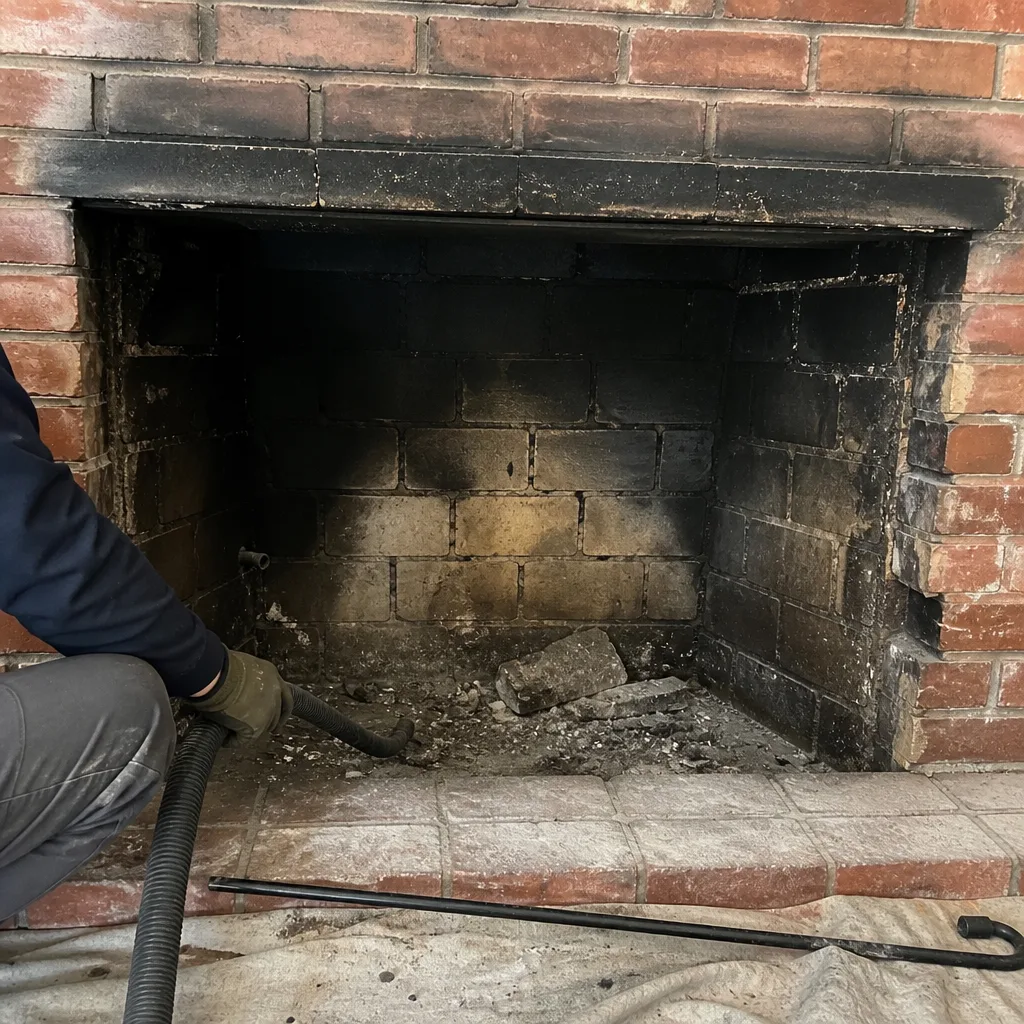 Before
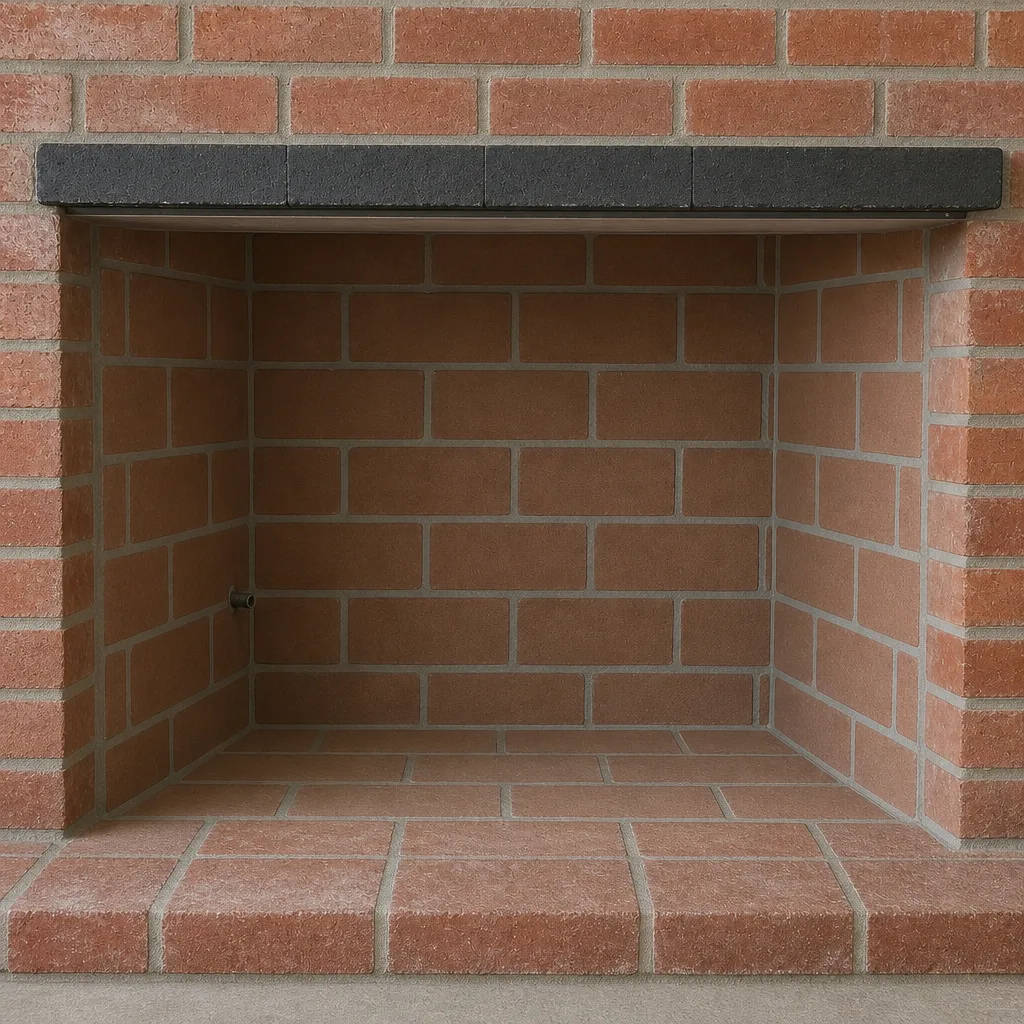 After
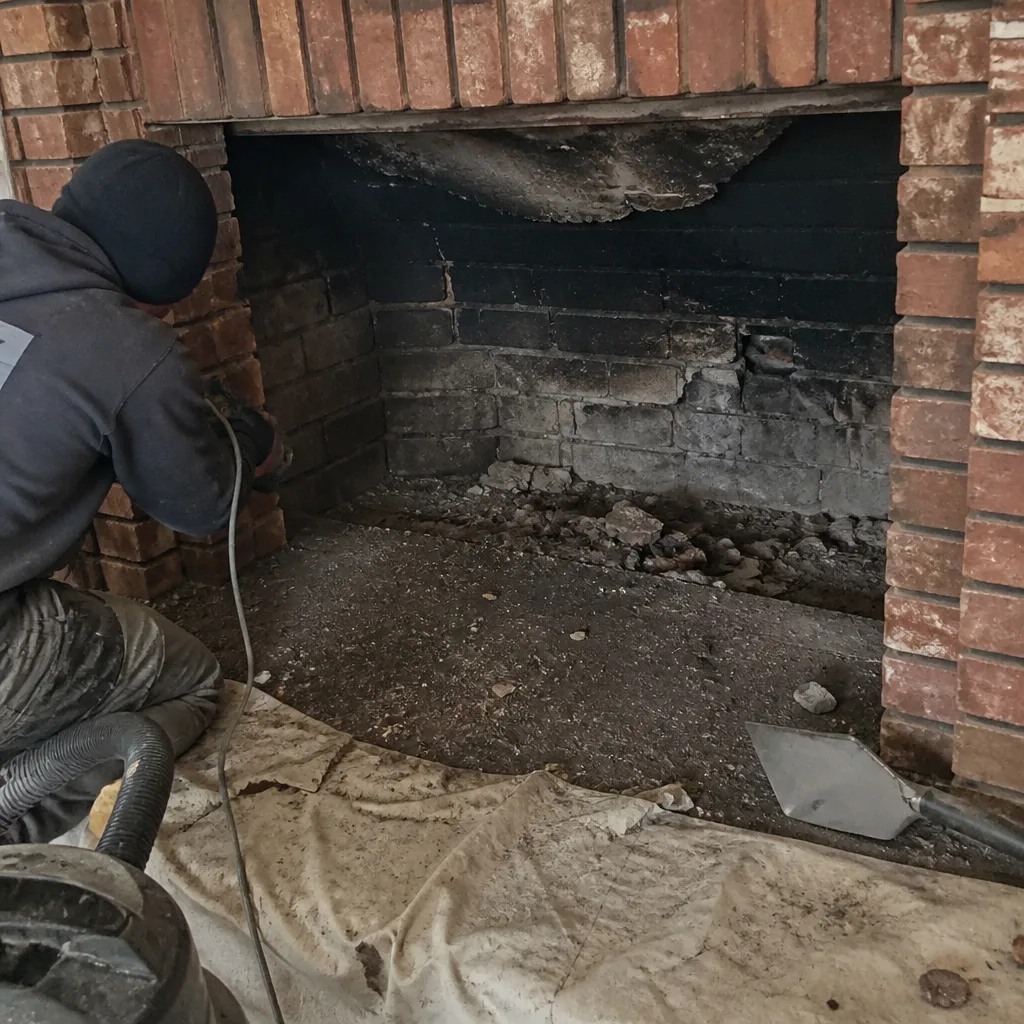 Before
 After
 Before
 After