
Last updated November 15, 2026
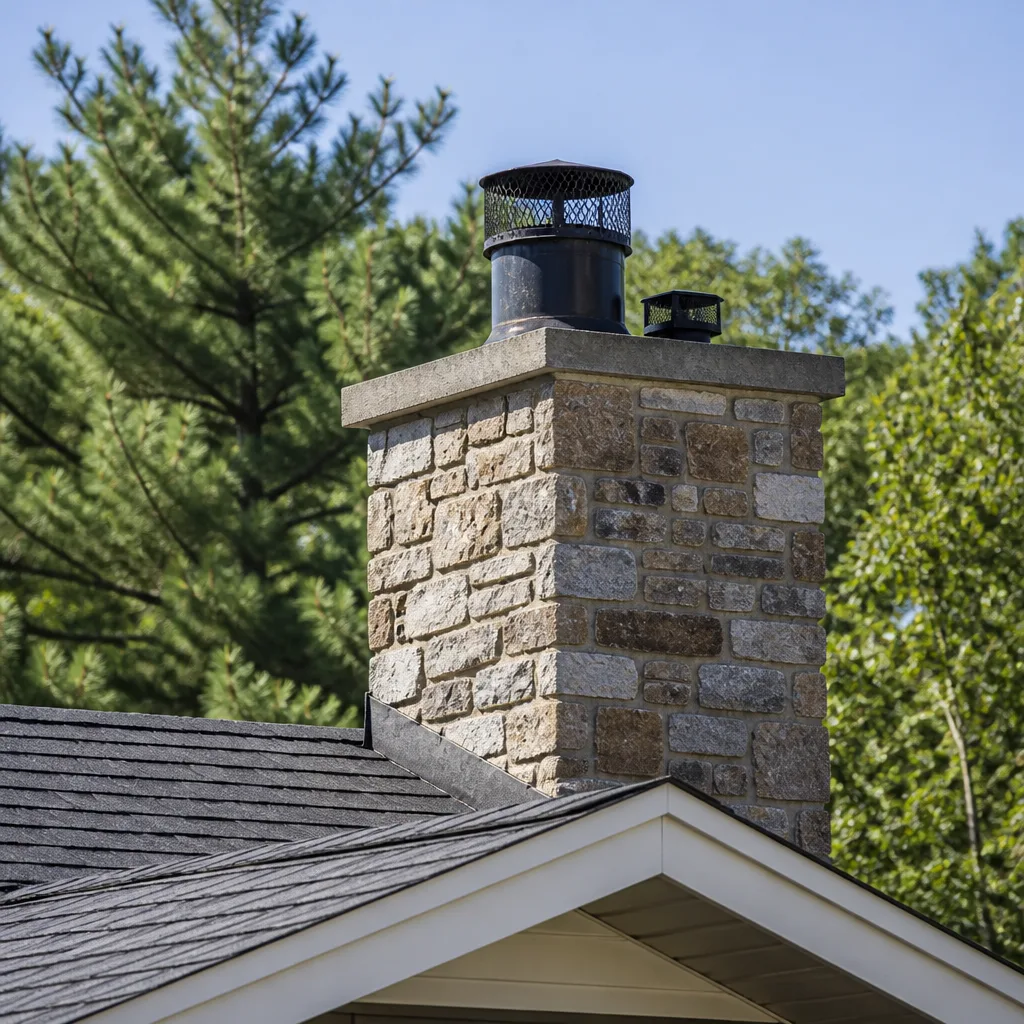 Sweep & inspection
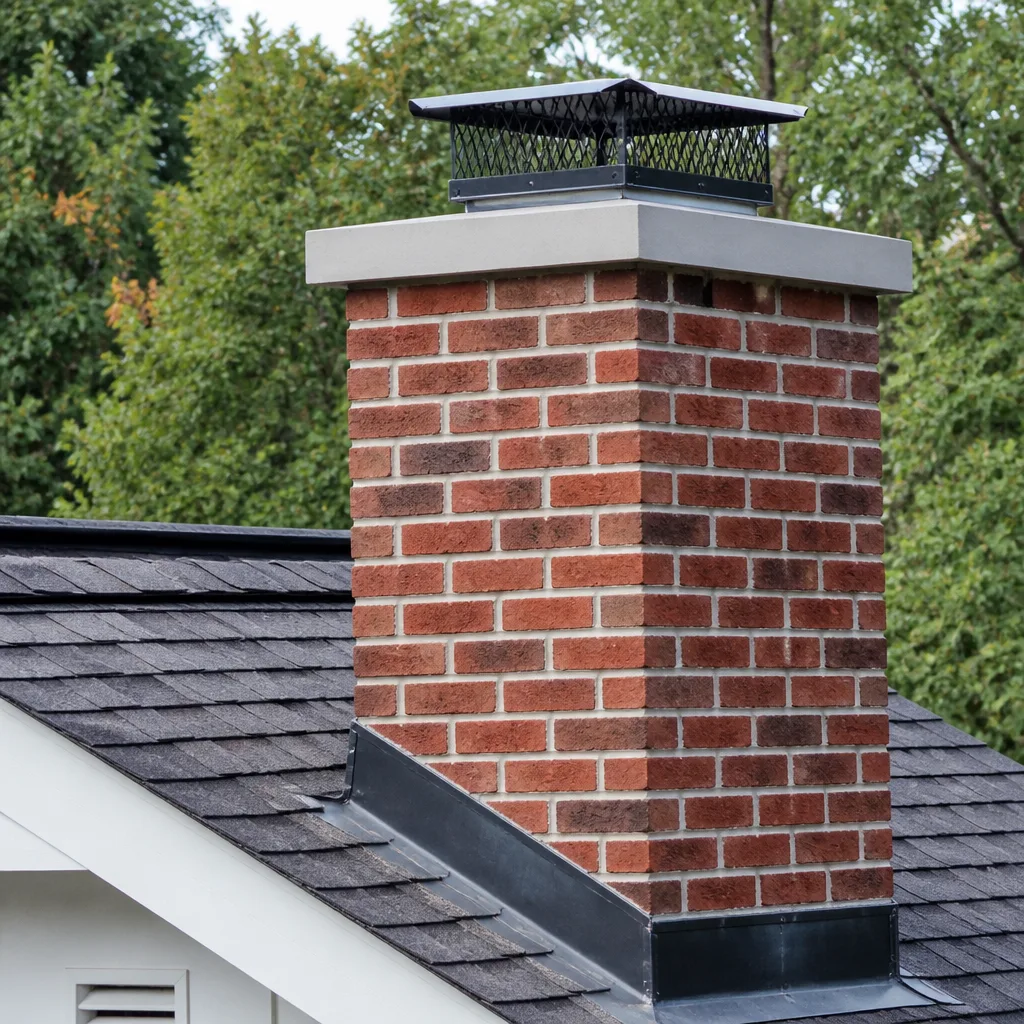 Caps & crowns
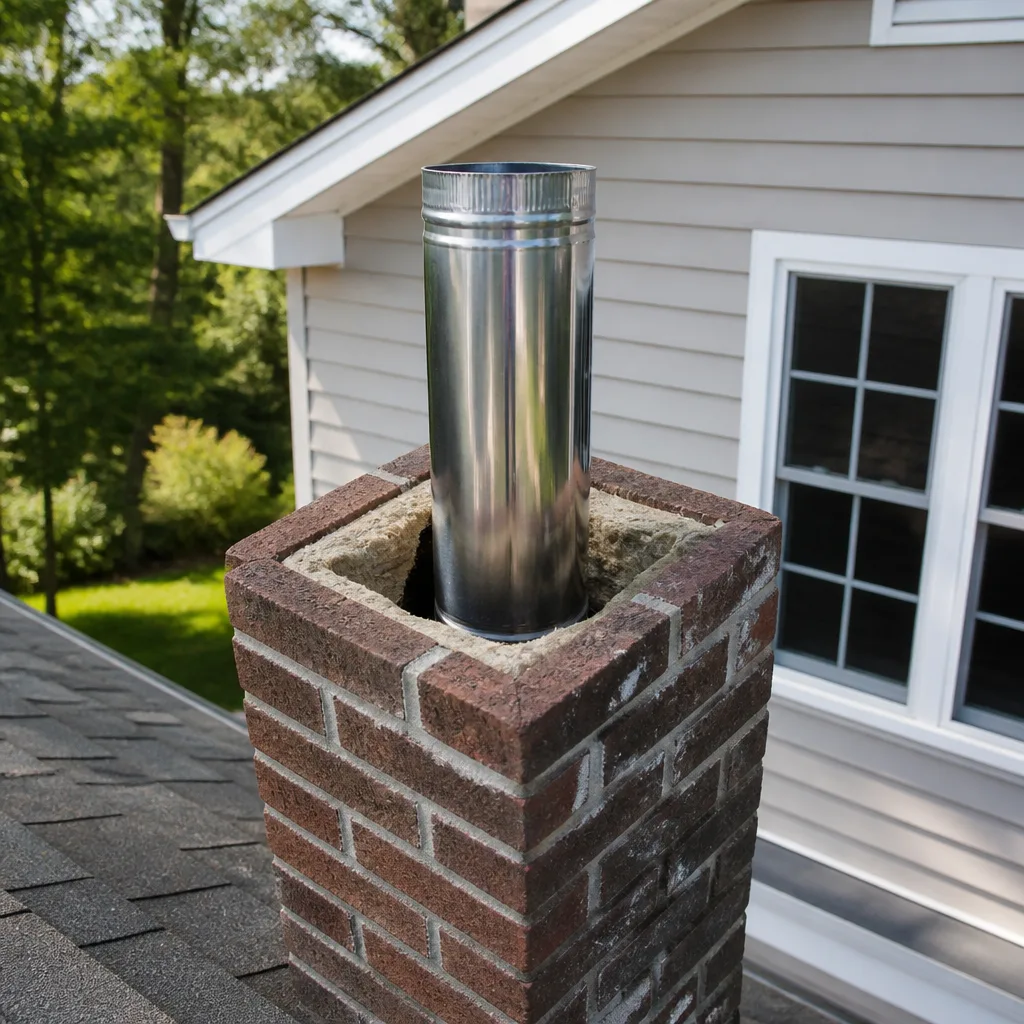 Flue relining
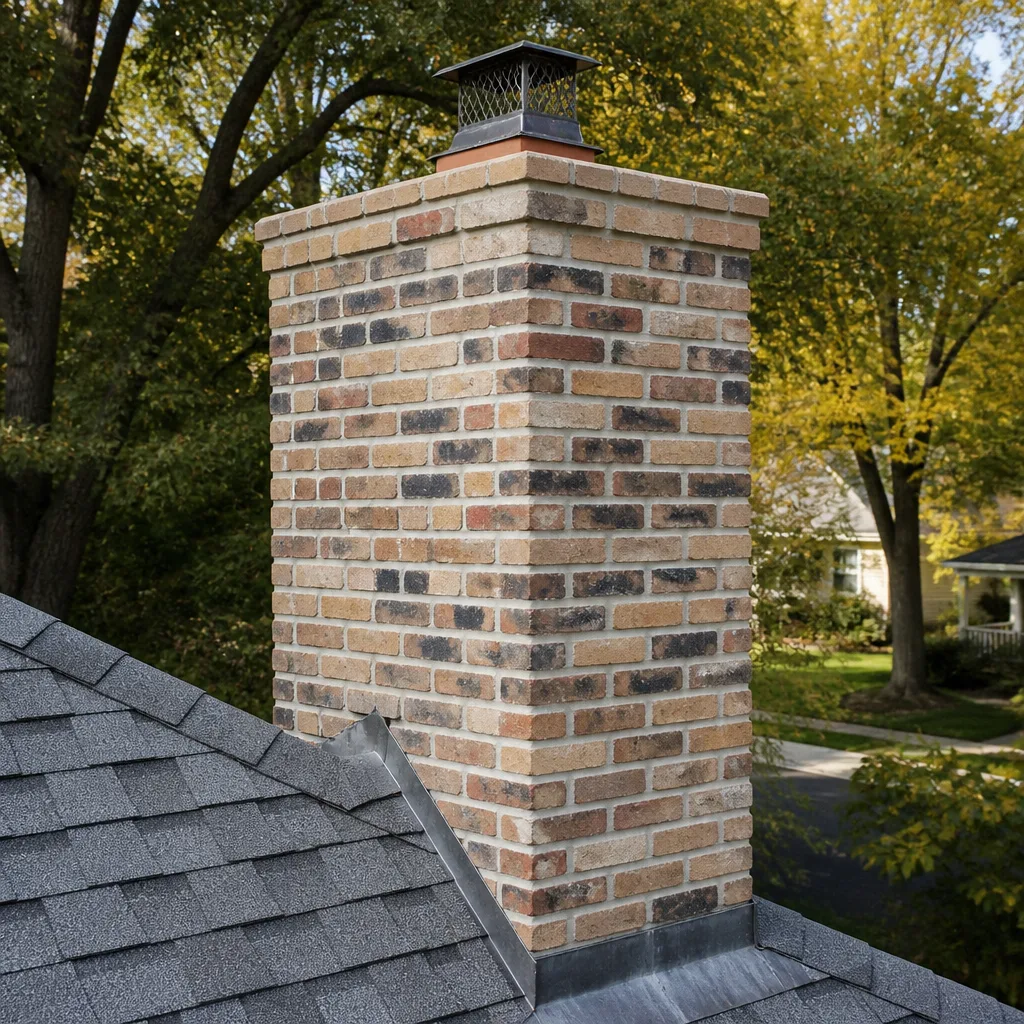 Masonry repair
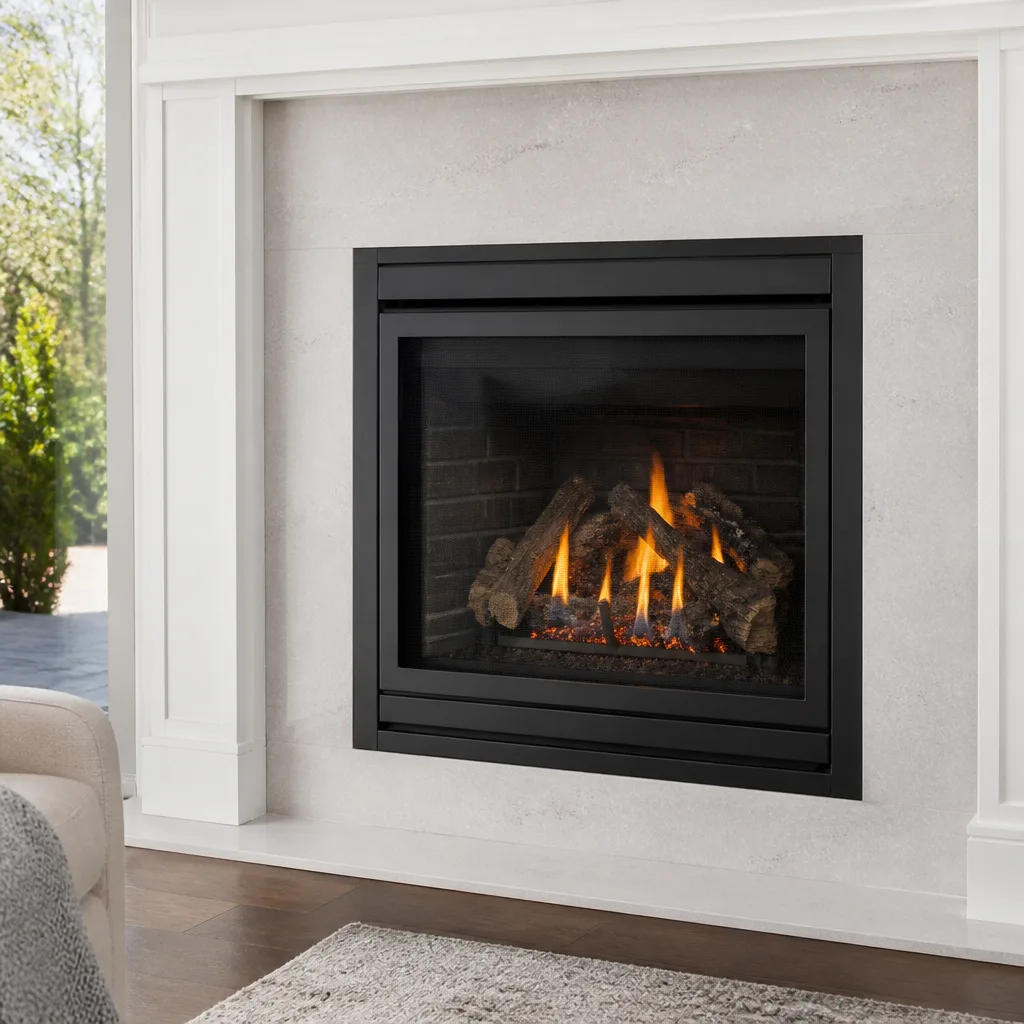 Gas fireplace service
Level 1 sweep and inspection to the NFPA 211 annual standard - flue, crown, cap, and flashing checked and photographed
Chimney sweep logs do not sweep chimneys. They loosen some creosote - which then falls where a brush and vacuum still have to collect it.
Chimney Cleaning Warning Signs: A Reno Homeowner’s Reference Guide
A white stain running down your chimney’s exterior isn’t a stain. It’s efflorescence, the visible evidence that water is moving through your masonry from the inside out, which means water is already inside your chimney system. Most chimney problems announce themselves long before they turn into emergencies, and the clues are usually visible from the ground or from inside your firebox. You just need to know what you’re looking at. This guide breaks down each warning sign mechanically, so you can tell a cosmetic issue from a structural one, understand what’s actually happening inside the flue, and know when a Reno homeowner should pick up the phone.
Quick Answer
The main chimney cleaning warning signs are efflorescence and spalling on the exterior masonry, rusted or stuck damper parts, heavy soot or dark staining in the smoke chamber, a smoky smell in the room when the fireplace is idle, and smoke that rolls back into the house in cold weather. Any one of these means the chimney needs an inspection, and several together mean it needs one before the next fire. Cleaning fixes a dirty chimney. It does not fix a structural one.
Styles & brands we work with
- Sweep & inspection
- Caps & crowns
- Flue relining
- Masonry repair
- Gas fireplace service
Table of Contents
- Exterior Warning Signs You Can See From the Yard
- Indoor Warning Signs Homeowners Miss
- Dirty Chimney vs. Structural Problem: How to Tell
- Warning Signs Specific to Reno Conditions
- What Each Sign Is Actually Telling You
- The 3-Point Check You Can Do Before Calling
- Creosote, Draft, and the Risks Behind the Signs
Exterior Warning Signs You Can See From the Yard
You don’t need a ladder to read most of what your chimney is telling you. Stand back on the lawn or across the driveway and look at the full height of the stack. These are the exterior signals that matter most, and each one points to a specific mechanism.
- White chalky staining (efflorescence). This is salt pushed to the surface as water moves through brick and mortar and evaporates. It means moisture is traveling through the masonry, not sitting on top of it.
- Flaking, crumbling, or pitted brick faces (spalling). When water gets inside brick and freezes, it expands and forces the face off. Spalling is the next stage after efflorescence, and it means the brick is losing mass.
- Crumbling or recessed mortar joints. Soft, sandy mortar between bricks has lost its binder. Wind-driven rain and freeze-thaw cycles get in and hollow the joints out.
- Rust streaks on the exterior or at the cap. Rust marks on metal parts usually trace back to a failing cap or a leak at the crown.
- A tilted or chipped crown. The crown is the sloped concrete cap on top that sheds water away from the flue. When it cracks or pulls away from the brick, water goes straight down into the chimney.
- Dark staining on the outside brick. Staining that won’t wash off often means smoke or creosote is escaping through the masonry itself.
Reno’s dry air hides water damage well for months at a time, then a wet winter exposes it fast. If you see efflorescence on a chimney in Reno, treat it as an early warning rather than a cosmetic quirk. Water is the slow destroyer of masonry chimneys, and it almost always enters at the crown or the cap before it ever shows up as a stain.
Indoor Warning Signs Homeowners Miss
The interior of your firebox and the room around it carry some of the clearest evidence of a chimney problem, and they’re the signs people walk past every day. Here’s what to watch for inside.
A smoky smell when the fireplace isn’t burning
If the room smells like a campfire on a warm day with no fire going, creosote and soot deposits inside the flue are off-gassing. That smell is the chimney telling you the deposits are heavy enough to register. It’s one of the most reliable signals that a sweep is overdue.
Smoke that rolls back into the room
Reverse draft in cold weather usually points to one of a few mechanical causes: a flue that’s too cold relative to the house, a blocked or undersized flue, or a chimney that’s shorter than the surrounding roofline. A clogged cap or a nest in the flue will do the same thing. If smoke spills into the room when you light a fire, stop using the fireplace until it’s inspected.
Soot on the firebox front and above the opening
Streaks of soot on the face of the fireplace or up the wall above it mean smoke is escaping the firebox rather than going up the flue. That’s a draft problem, not just a mess.
Rust and seized parts in the firebox
A damper that won’t move, rust on the damper frame, or rust on the firebox grate all point to moisture inside the system. Metal rusts where water sits, so rusted damper components are a strong clue that water is entering from above.
Visible creosote in the smoke chamber
Dark, glossy, or tar-like buildup above the damper is a sign the smoke chamber is coating up. Glazed creosote is the hardest kind to remove and needs a specialist, not a homeowner’s brush.
Dirty Chimney vs. Structural Problem: How to Tell
This is the distinction that saves homeowners money and headaches. A dirty chimney has buildup and needs cleaning. A structural chimney has a physical defect and needs repair. Cleaning fixes the first. It does nothing for the second, and if you sweep a chimney with a cracked liner or a failing crown, you’ve cleaned a problem that’s still there.
A quick way to sort the two:
- Dirty chimney: heavy soot, creosote in the flue, a smoky smell, soot in the firebox, a damper that works but is grimy. Cleaning and inspection handle these.
- Structural problem: efflorescence, spalling brick, cracked or hollow mortar, a tilted crown, rusted damper components, a broken or missing cap, a liner with gaps or cracks. These need repair, not just a sweep.
In our experience, most homeowners who call worried about a dirty chimney end up with a straightforward cleaning. The ones who call after a bad winter often have both problems at once: years of buildup plus a crown that cracked. That’s why we inspect before we recommend anything. A camera inspection lets you see the inside of your own flue on screen. Every recommendation we make comes with photographic evidence you can look at yourself, and we’ll tell you plainly when something can wait until next season.
Warning Signs Specific to Reno Conditions
Reno sits in high desert, and that setting puts a particular kind of wear on a chimney. The same dry air and sun that make for great summers also age your masonry in ways a coastal or lowland chimney never sees. Here’s what to look for.
Frost-heaved crown edges
Reno’s winters swing between freezing nights and warmer afternoons. Water that soaks into the crown freezes, expands, and pops the edges. Over a few winters the crown pulls away from the brick, water gets behind it, and the whole top of the chimney starts to break down. A cracked crown is the single most common water-entry point we’re asked to look at on chimneys in Reno.
Cottonwood-clogged caps
Reno’s cottonwoods shed fine, fluffy seed in early summer, and that fuzz collects in chimney caps and flue openings. Once a cap clogs, draft suffers and the flue can’t breathe. A cap that lets air through but keeps out seed and animals is worth having. We fit Famco and Gelco caps and ventilation products to match the flue and the weather.
UV-degraded mortar from high-altitude sun
At Reno’s elevation, the sun is strong and relentless. UV light breaks down the outer surface of mortar joints over time, leaving them chalky and sandy. Wind then wears them faster. When the joints lose enough material, the brick above starts to shift.
Cracked or brittle flashing
Big temperature swings work at the metal flashing where the chimney meets the roof. Seams open, water gets in, and the leak shows up indoors at the ceiling or on the chimney breast. If you see a water stain on the ceiling near the chimney, flashing is a prime suspect.
What Each Sign Is Actually Telling You
A warning sign is a message, not a verdict. Here’s how to read each one mechanically, so you understand what’s happening inside the chimney and what kind of fix it points toward.
- Efflorescence. Water is moving through the masonry. The salt on the surface is the residue. The fix is to find where water gets in, usually the crown or flashing, and stop it.
- Spalling brick. Water froze inside the brick and forced the face off. The fix is to seal the entry point and replace the damaged brick before the wall loses structural strength.
- Cracked crown. The concrete cap no longer sheds water. A crown sealant or a rebuild is the repair, depending on how far the damage has gone.
- Rusted damper components. Water has been entering the flue from above. The rust is the symptom; the leak is the cause.
- Dark smoke chamber staining. Soot and creosote have coated the chamber above the damper. Glazed creosote needs specialist removal, and it’s a fire risk because it burns hot when it ignites.
- Reverse draft in cold weather. The flue is cold, blocked, or undersized. A cap, a flue fix, or a damper product usually solves it, and a licensed specialist can tell you which.
For liner damage, the fix is matched to the material. In our experience, a cracked flue doesn’t always need a full reline. Where the liner is still sound but pitted, HeatShield liner resurfacing can restore it. Where the liner is too far gone, a DuraFlex or Olympia Chimney liner system is the right solution. Copperfield liners are another option we work with. The point is to match the material to the condition, not to sell the same fix to every homeowner.
The 3-Point Check You Can Do Before Calling
Before you pick up the phone, you can do a simple ground-level and interior check that will help you describe the problem and help a specialist know what to expect. None of this requires climbing on the roof, and none of it puts you near the flue interior.
- Walk the yard and look at the chimney stack. Look for white staining, flaking brick, cracked or sandy mortar, a tilted crown, rust streaks, and a cap that’s missing or damaged. Note anything you see.
- Look at the firebox with the fireplace cold. Check for soot on the firebox face and above the opening, rust on the damper, a damper that won’t move, and dark staining above the damper. Don’t reach up into the flue.
- Notice what the room does. Does the room smell smoky when no fire is burning? Does smoke roll back into the room when you light a fire? Both are signs that the chimney needs inspection.
That’s the safe version of the check. Anything involving the flue interior, the crown up close, or the roof line is a job for a trained technician, and a chimney is not a place to take risks with a ladder or a brush.
Creosote, Draft, and the Risks Behind the Signs
The warning signs in this guide exist for a reason: the things they point to carry real risk. Two of them deserve a plain explanation.
Creosote buildup
When wood burns incompletely, the smoke condenses into creosote on the inside of the flue. The buildup comes in stages from light soot to hard, glazed deposits. Glazed creosote is fuel, and if it ignites it can burn hot enough to damage the chimney and spread beyond it. An annual chimney sweep keeps the layer thin, and a camera inspection catches the glazed areas before they become a fire hazard.
Draft problems and carbon monoxide
A chimney that can’t draft properly sends smoke and combustion gases back into the house instead of up the flue. For a gas insert or a solid-fuel appliance, that means carbon monoxide can end up where people sleep. Reverse draft in cold weather is the visible sign; the invisible risk is why it matters. If your fireplace or insert smells smoky or won’t draw, stop using it until a specialist inspects it.
Common Mistakes to Avoid
- Assuming a white stain is cosmetic. Efflorescence means water is inside the masonry. Painting over it traps the moisture and makes the damage worse. Find the water entry first.
- Sweeping a chimney that has a cracked liner. A cleaning hides the problem by making the flue look clean. The crack is still there, and a specialist inspection is what catches it.
- Burning green or unseasoned wood to save money. Wet wood makes more creosote, and in Reno’s dry climate properly seasoned wood is easy to come by. Burn dry wood and clean the flue on schedule.
- Ignoring the smell. A smoky smell with no fire burning is a reliable sign of heavy deposits. Don’t wait for a chimney fire to confirm it.
- Skipping the cap after a cottonwood season. A clogged cap kills draft and invites animals in. A proper Famco or Gelco cap resolves both problems in one visit.
- Hiring a generalist to handle a chimney. Chimney diagnostics are their own trade. A handyman may clean, but a structural problem needs someone trained on flues, crowns, and liners.
- Waiting until fall to call. Reno’s burning season starts when the nights turn cold. Book the inspection in the shoulder season so a needed repair doesn’t stall the first fire of the year.
See the difference
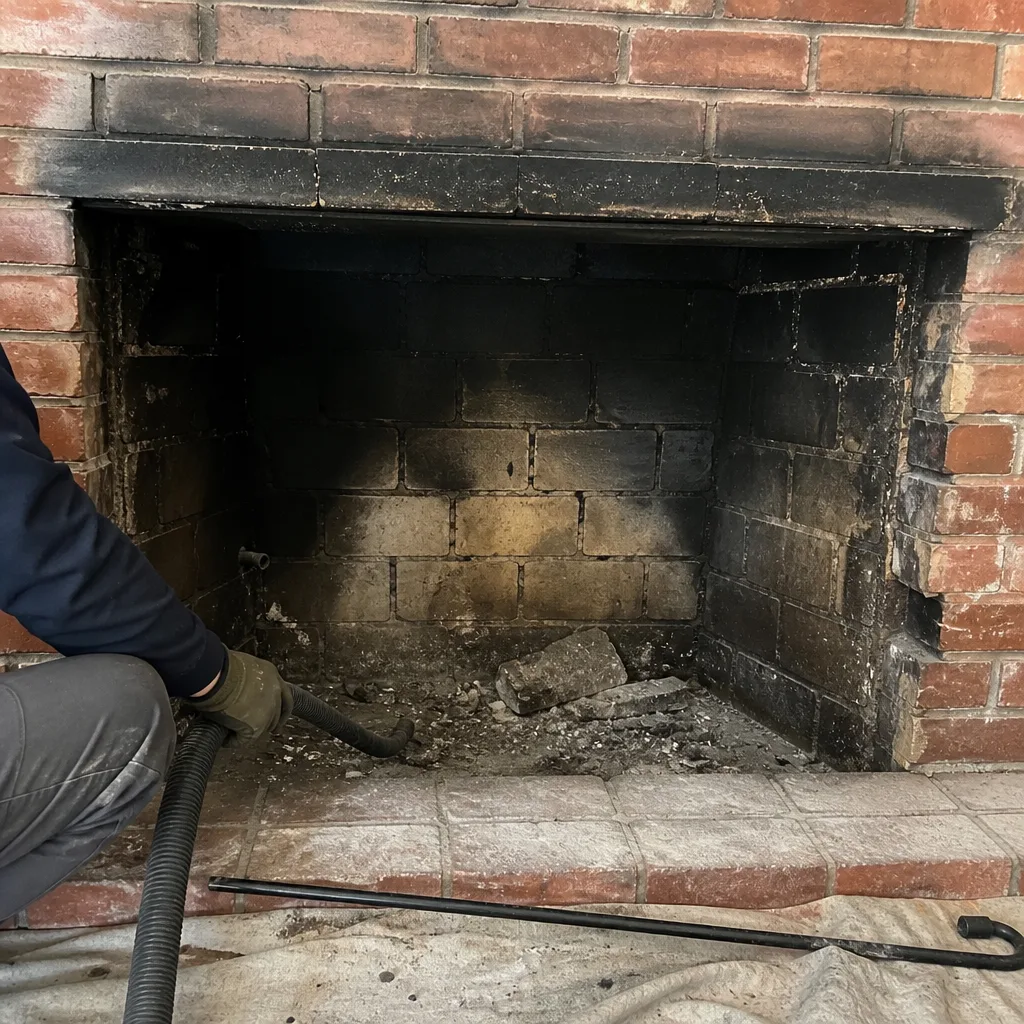 Before
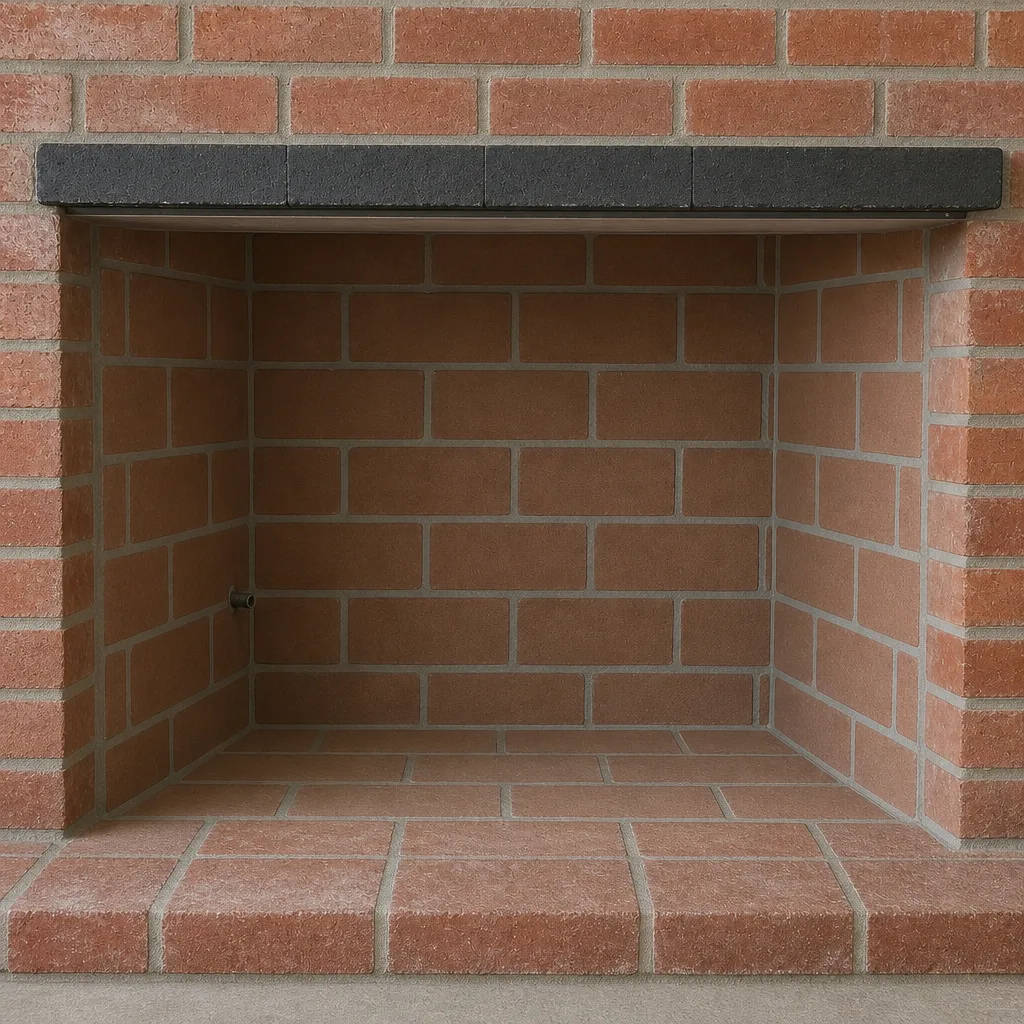 After
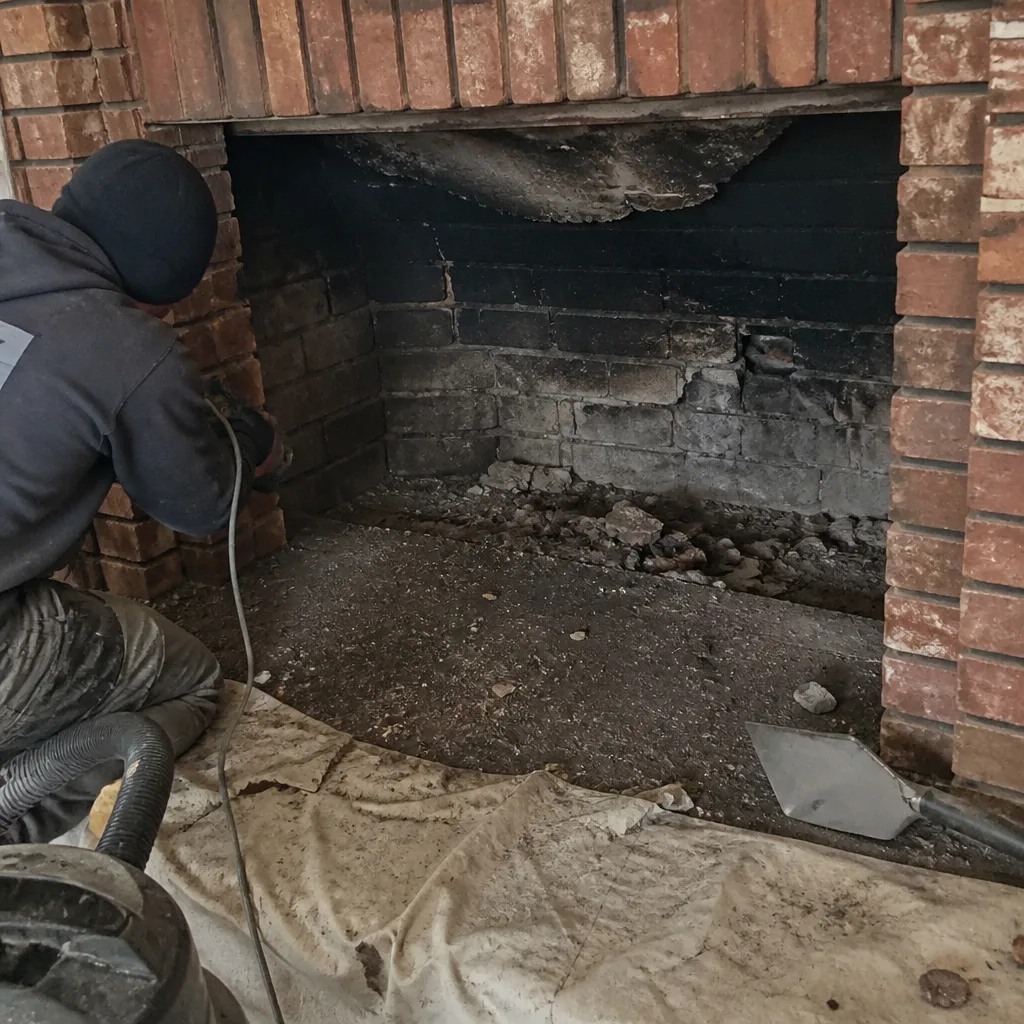 Before
 After
 Before
 After
When to Call a Professional
Call a specialist if you see any of these: efflorescence or spalling brick on the exterior, a cracked or tilted crown, rust stains at the cap, a smoky smell in the room when the fireplace is idle, reverse draft in cold weather, soot on the firebox face, or a damper that won’t move. Also call if you’ve never had the chimney inspected and you burn wood regularly. A chimney sweep is routine maintenance, and an inspection is what catches the structural issues before they turn into repairs.
If you’re facing a repair, we handle it under one roof. Our technicians have up to 10 years of experience, and we work with professional-grade brands including HeatShield, DuraFlex, Olympia Chimney, and Copperfield liner systems, so the fix is matched to your flue instead of a one-size-fits-all job. Chimney repair in Reno starts with a camera inspection and a written estimate, and you see the photo report before anyone recommends anything. Our estimates are free. Call (844) 543-7293, and we’ll get you on the schedule.
Frequently Asked Questions
A wood-burning chimney should be swept when there’s about an eighth inch of creosote in the flue, which for most Reno homeowners means once a year with regular use. Gas inserts need inspection on the same annual schedule even though they build up less soot. Call (844) 543-7293 for an exact quote. Estimates are free.
A dirty chimney has soot and creosote buildup and needs cleaning; a structural chimney has a physical defect like a cracked crown or a failing liner and needs repair. Cleaning a structural chimney doesn’t fix it. An inspection is what tells the two apart, which is why we inspect before we recommend anything.
A smoky smell with no fire going means creosote and soot deposits inside the flue are off-gassing, and it usually means the chimney is overdue for a sweep. It can also point to a draft problem from a blocked or undersized flue. Call (844) 543-7293 and we’ll take a look. Estimates are free.
Yes, that combination points to water moving through the masonry. The white staining is efflorescence, and the flaking brick is spalling, which means the brick is losing mass. Both are repair signals, not just cleaning signals. Call (844) 543-7293 for an inspection. Estimates are free.
You shouldn’t work inside the flue or get on the roof. Chimney work involves falls, creosote exposure, and the risk of missing a cracked liner or a failed crown. A trained specialist has the tools, the camera, and the eye for it. Our technicians have up to 10 years of experience.
Skipping a sweep lets creosote build up, and glazed creosote is fuel that can ignite in a chimney fire. Skipping an inspection lets small problems like a cracked crown or a rusted damper get worse, and water damage doesn’t reverse itself. Both are reasons to book before the burning season in Reno. Call (844) 543-7293. Estimates are free.
The Bottom Line
Most chimney problems show up as visible, readable signs long before they turn into emergencies. Efflorescence and spalling point to water moving through the masonry. Rust in the firebox points to a leak from above. A smoky smell with no fire points to heavy creosote. Reverse draft points to a flue that’s cold, blocked, or undersized. The 3-point check from the yard and the firebox will tell you most of what you need to know, and it’ll help a specialist know what to look for.
The key distinction is dirty versus structural. Cleaning fixes one, and repair fixes the other. An inspection is what tells them apart. If any of these signs are on your chimney, don’t wait for a cold night to force the issue. Reno Chimney Cleaning handles sweeping, inspection, and repair under one roof, so a single visit can cover the whole chimney. Call (844) 543-7293 for a free estimate.
Written by the team at Reno Chimney Cleaning.