
Last updated November 15, 2026
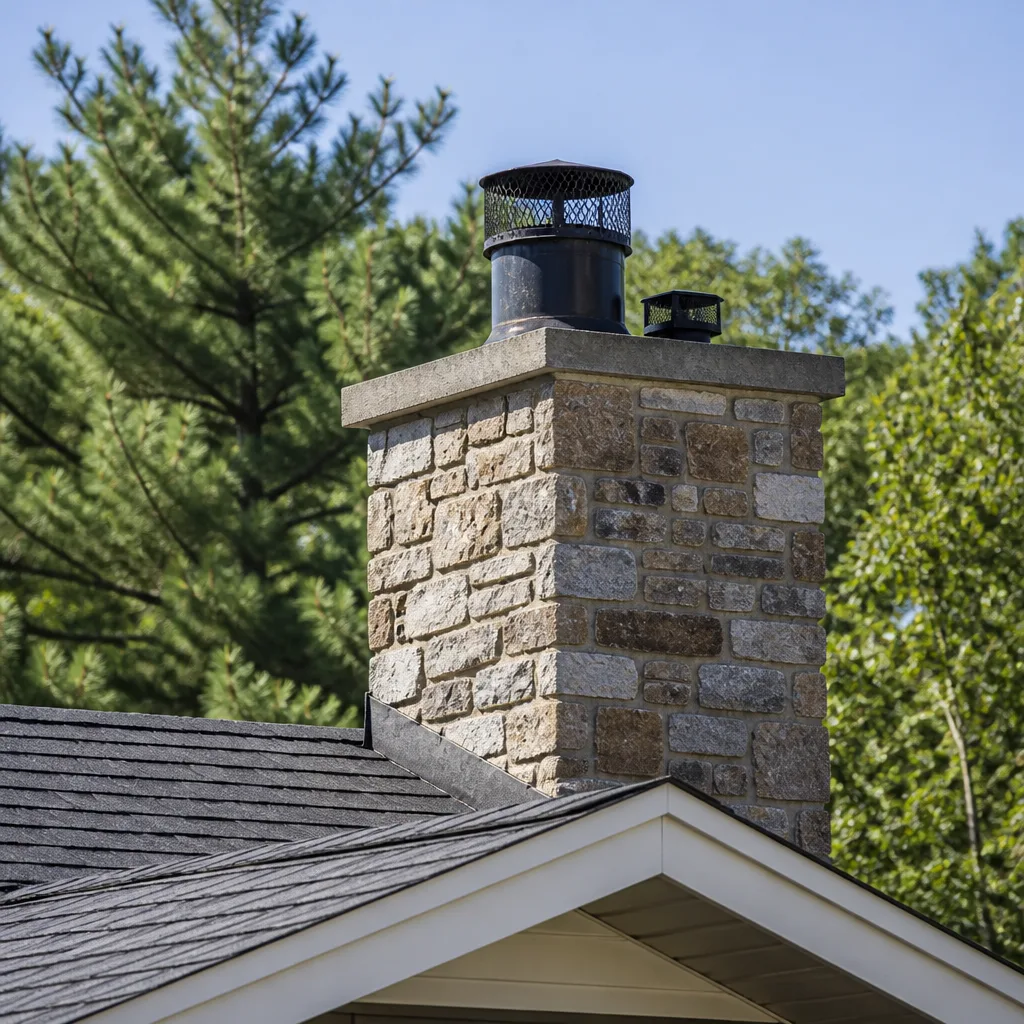 Sweep & inspection
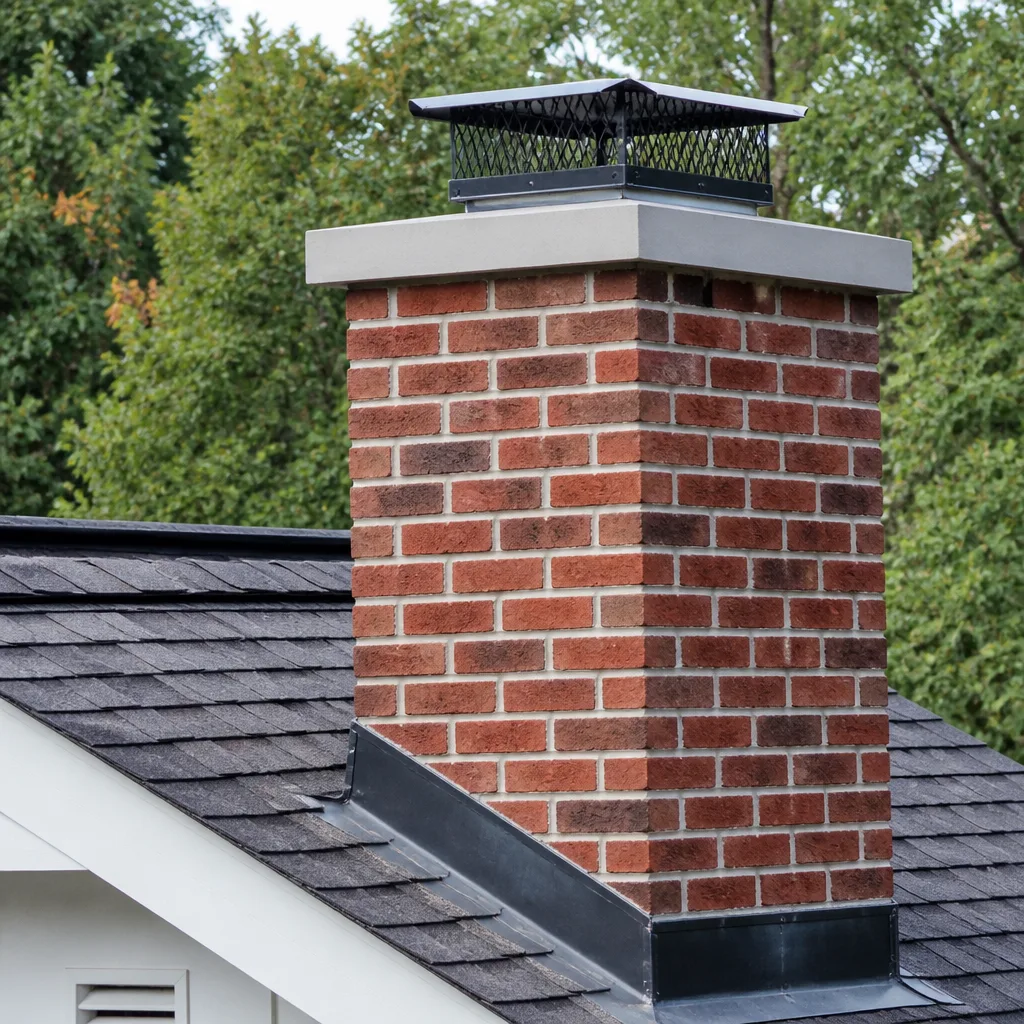 Caps & crowns
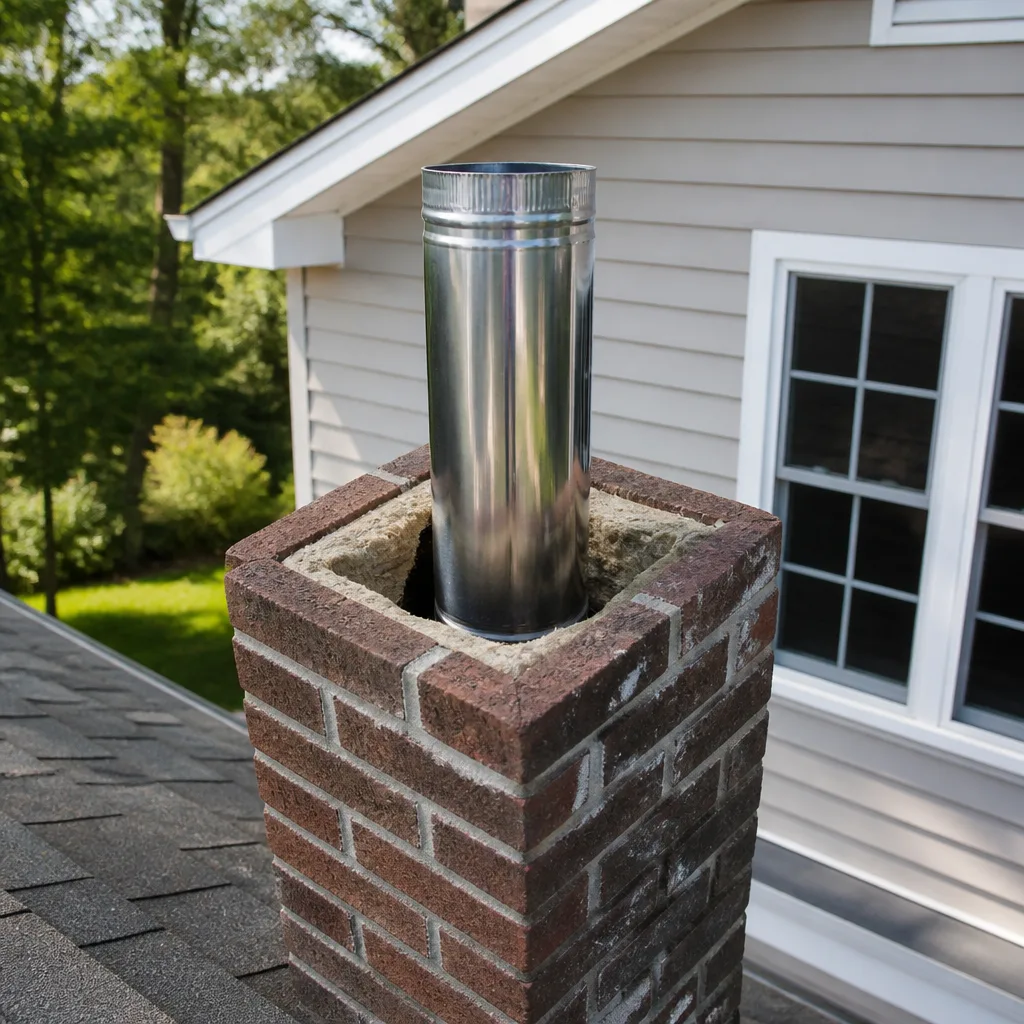 Flue relining
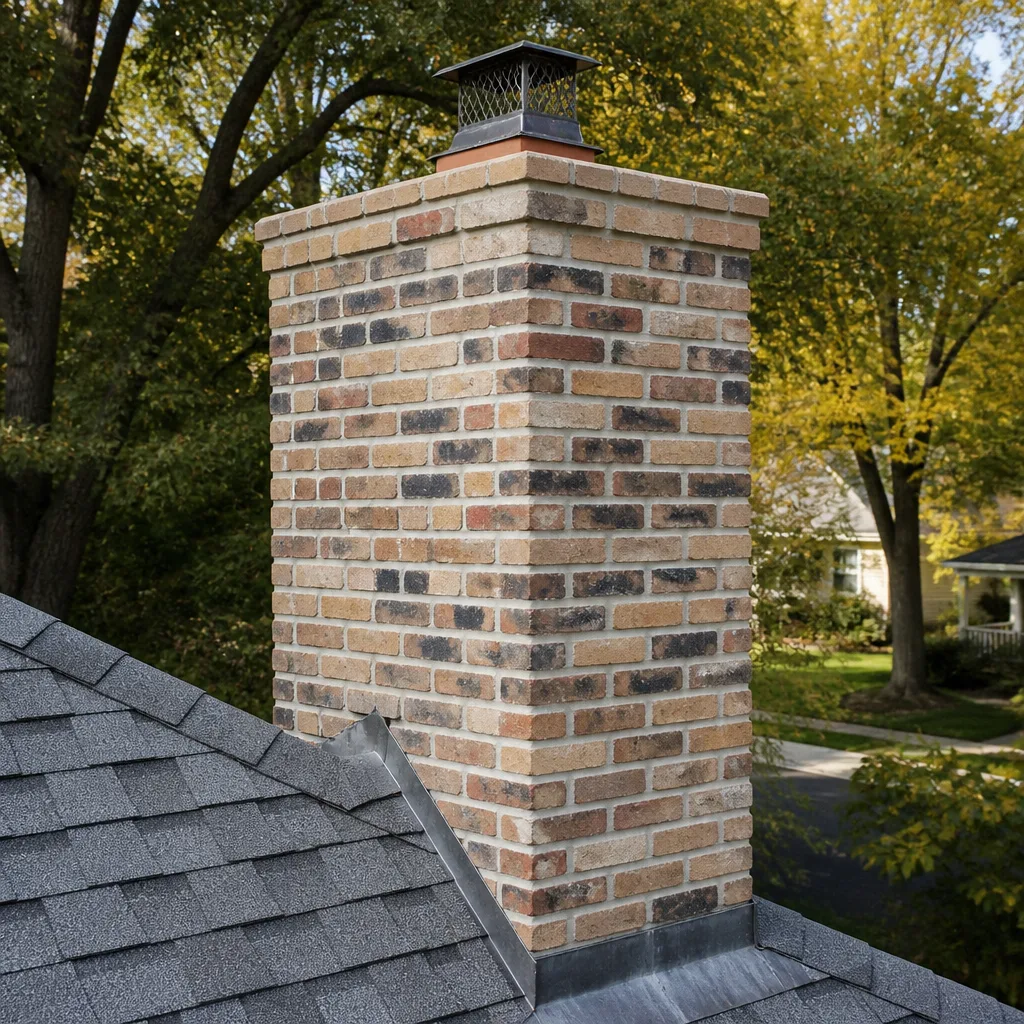 Masonry repair
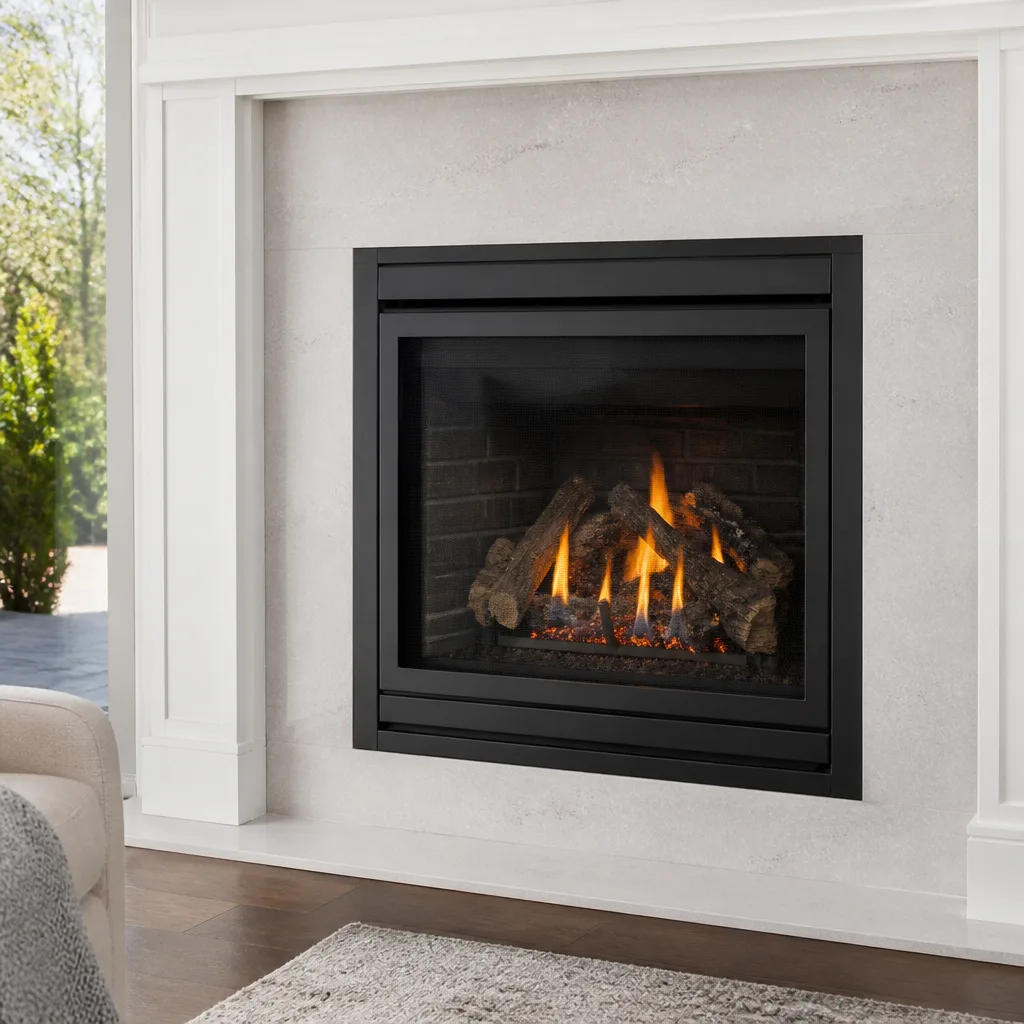 Gas fireplace service
Level 1 sweep and inspection to the NFPA 211 annual standard - flue, crown, cap, and flashing checked and photographed
Chimney sweep logs do not sweep chimneys. They loosen some creosote - which then falls where a brush and vacuum still have to collect it.
Chimney Cleaning Permits, Codes & Inspections in Reno, NV: What You Need to Know
A chimney relining job completed without a permit in Washoe County can complicate a homeowner’s insurance coverage for a fire claim. That’s the part most people miss. Homeowners tend to treat chimney regulations as paperwork that only matters to contractors, when in fact the permit is the paper trail that proves the work was done to a recognized standard. Cleaning gets confused with construction, and the two follow different rules. This guide separates them. You’ll learn which chimney work in Reno actually needs a building permit, how the City of Reno and unincorporated Washoe County differ, what NFPA 211 requires at each inspection level, and what a code-compliant inspection report should look like.
Quick Answer
In Reno, routine chimney cleaning and inspection do not require a building permit, but structural chimney work does. Liner replacement, firebox rebuilding, and gas insert installation all typically require a permit through the City of Reno or Washoe County depending on where the home sits. Every inspection should reference NFPA 211, the national standard Nevada inspectors work from. Cleaning keeps a flue clear; inspection and permitting prove the system is sound.
Styles & brands we work with
- Sweep & inspection
- Caps & crowns
- Flue relining
- Masonry repair
- Gas fireplace service
Table of Contents
- Which Chimney Work Needs a Permit in Reno
- City of Reno vs. Unincorporated Washoe County
- What NFPA 211 Requires at Each Inspection Level
- What a Code-Compliant Inspection Report Looks Like
- How Permit History Shows Up in a Home Sale
- Why It Matters for Insurance in a High-Fire-Risk Zone
- Where Cleaning Fits Into All of This
- Reno’s Climate and Chimney Wear
Which Chimney Work Needs a Permit in Reno
The dividing line is simple: cleaning and inspection are maintenance, while anything that changes the structure of the chimney system is construction. Maintenance doesn’t need a permit. Construction almost always does. Homeowners in Reno run into trouble when they assume a repair is “just part of cleaning” and let a generalist handle it without pulling the paperwork.
Work that typically requires a building permit:
- Liner replacement or relining. A new stainless liner, or a HeatShield resurfacing job that rebuilds the flue’s inner surface, changes the chimney’s construction and needs a permit in most jurisdictions.
- Firebox rebuilding. Rebuilding the firebox involves masonry, refractory materials, and clearance to combustibles. That’s structural work.
- Gas insert installation. Installing a gas insert connects to a fuel line and changes the venting configuration, so it falls under permit review.
- Chimney chase or crown reconstruction. Rebuilding the exterior masonry or crown is structural.
Work that typically does not require a permit:
- Cleaning and sweeping. Removing creosote and debris is routine maintenance.
- Inspection. An inspection is diagnostic; it changes nothing about the system.
- Cap or damper swaps. Swapping a chimney cap or a top-sealing damper is a component replacement, not a structural change.
One caveat worth repeating: thresholds vary, and local codes get amended. Always confirm with the City of Reno or Washoe County building department before scheduling any repair that changes a chimney’s structure. A reputable specialist will ask about permits before the work begins, not after.
City of Reno vs. Unincorporated Washoe County: How the Permit Thresholds Differ
Homeowners often don’t realize that “Reno” is not one jurisdiction. Property inside the city limits is reviewed by the City of Reno, while property in unincorporated Washoe County (much of the valley outside the city boundaries, including areas near the foothills and out toward the valley floor) is reviewed by Washoe County. The two have separate building departments, separate application processes, and thresholds that can differ on what triggers a permit for a given chimney project.
What this means in practice:
- Check your address first. Pull the parcel number or check the city/county boundary map before you assume which department has jurisdiction.
- Ask about the specific scope. “Liner replacement” and “firebox rebuild” are treated differently depending on the project’s extent and the structure’s age.
- Get the requirement in writing. A quick call or email to the building department can confirm whether your project needs a permit, and a written response protects you later.
We’ve had customers in both jurisdictions discover after the fact that work done by a previous contractor was never permitted. For a homeowner shopping for Reno chimney cleaning, knowing which department has authority over your address is the first step in validating any past repair. If you’re unsure, we can tell you what we see and point you toward the right department.
What NFPA 211 Requires at Each Inspection Level
NFPA 211 is the National Fire Protection Association’s standard for chimneys, fireplaces, vents, and solid fuel-burning appliances. It’s the reference standard Nevada inspectors work from, and it defines three inspection levels. Each level answers a different question, and each produces different documentation.
Level 1 inspection. A visual inspection of the readily accessible portions of the chimney, the firebox, and the appliance connection. The question it answers: is the chimney suitable for continued use under current conditions? This is the standard inspection that accompanies an annual sweep and doesn’t involve any change in the system.
Level 2 inspection. A more thorough inspection required when a property changes ownership, when an appliance is replaced or its fuel source changes, when a liner is replaced, or after a chimney fire. It includes access to attics, crawl spaces, and other concealed spaces, often using a camera. The question it answers: is the whole system, including hidden portions, sound? This is the inspection that matters most in a real estate transaction.
Level 3 inspection. The most comprehensive, involving the removal of components or portions of the chimney to inspect accessible areas that can’t be reached otherwise. Reserved for situations where a Level 2 inspection identified a problem that needs direct visual confirmation.
Here’s the practical takeaway for Reno homeowners: an annual cleaning is a Level 1 situation. A home purchase, a new insert, or a relining project is a Level 2 situation. Software, dryer vents, and roofing aren’t in NFPA 211’s scope at all; it’s a chimney-specific standard. When you read the exact chimney sweep service description, you should see NFPA 211 referenced as the standard the inspection is measured against.
What a Code-Compliant Inspection Report Looks Like
A code-compliant inspection report is a written document that describes the condition of the entire chimney system, references the standard it was performed under, and includes photographic or video evidence for any defect it flags. It’s the paper trail that makes a repair recommendation verifiable, and it’s the document an insurance adjuster will ask for after a fire claim.
A thorough report produced against NFPA 211 should include:
- Identification of the standard. The report should state the inspection level performed and cite NFPA 211 as the reference standard.
- Condition of the firebox, damper, smoke chamber, flue, crown, and cap. Each component gets described, not just the flue.
- Camera evidence. A camera inspection of the flue interior produces a photo or video record of cracks, gaps, creosote buildup, or liner damage. A report without visual evidence for a flagged defect is harder to trust.
- Clearance confirmation. The report should note whether the chimney and appliance maintain required clearance to combustibles.
- Recommendations. Each repair recommendation should tie to a specific defect documented in the report, with a stated urgency (immediate, before next season, or monitor).
That last point matters. We inspect before we recommend, and every recommendation should point back to the evidence already documented. A report that recommends a $4,000 relining project without showing you the crack that justifies it is a report you should question. The report itself is the protection; a code-compliant chimney repair recommendation that references external evidence is one you can verify independent of the contractor.
How Permit History Shows Up in a Home Sale
Permit history follows a chimney through real estate transactions. Where a permit was pulled and finaled, the county record shows a compliant inspection of the finished work. Where structural work was done without a permit, the record is silent, and that silence can become a negotiating point or a financing condition.
What buyers should ask about a home’s chimney:
- Was a Level 2 inspection performed at any point in the last few years? NFPA 211 flags a property transfer as a Level 2 trigger, and a recent inspection report should be in the seller’s disclosure package.
- Has any structural chimney work been done, and was a permit pulled? Liner replacement, firebox rebuilds, and gas insert installations should all show up on a permit record.
- Is the current insert original or installed post-construction? A gas insert installed without permit review is a red flag for the buyer.
- Can I see the inspection report? A code-compliant report shows what was checked, the evidence, and any recommended repairs.
For buyers moving into a home in Reno, a pre-purchase Level 2 inspection is a reasonable line item. It’s typically far less expensive than discovering an unpermitted relining job after closing, and it gives you leverage to negotiate the repair as part of the transaction. Sellers should expect the request, and having the report on hand makes the sale run smoother.
Why Permit History Matters for Insurance in a High-Fire-Risk Zone
Nevada’s wildland fire risk affects how insurers underwrite homeowners’ policies around Reno. The dry summers, the interface between neighborhoods and open land, and the smoke that follows a fire season all push insurers to look closely at solid-fuel heating systems. A wood-burning fireplace or insert that hasn’t been inspected and maintained becomes a question on an underwriting file.
Where permit history and inspection reports come in:
- Claims for fire damage. If a chimney-related fire claim is filed and the adjuster discovers structural work done without a permit, the claim can be contested. The permit record is the proof that the work met code.
- Underwriting questions. Many insurers ask during the quoting process whether chimney and flue systems have been inspected, and some require evidence of a recent inspection.
- Documentation after a claim. A code-compliant inspection report issued before a claim gives the homeowner a paper trail showing the system was sound at the time of inspection.
The permit isn’t bureaucratic overhead, it’s the paper trail. And in a high-fire-risk zone, that paper trail is what an insurer looks at when evaluating a claim. We can work with your insurer on documentation; we don’t bill them directly. Getting a compliant inspection report on file before the next burn season is worth the effort, and it’s a subject worth discussing with your insurance agent.
Where Cleaning Fits Into All of This
Cleaning is maintenance, not construction, and it doesn’t need a permit. That doesn’t mean it’s unimportant. Cleaning removes creosote, the highly flammable byproduct of wood combustion that builds up on flue walls. A heavy creosote load is a fire hazard; a clear flue drafts better and vents smoke correctly.
How cleaning and inspection work together:
- Annual sweep. The sweep removes creosote and debris, and it’s usually paired with a Level 1 inspection.
- Level 1 inspection findings. The inspection flags any developing defects: a cracked flue tile, a damaged crown, a failing damper.
- Escalation to Level 2. If the Level 1 inspection finds a defect, or if a property transfer, appliance change, or liner replacement is on the table, a Level 2 inspection is the right next step.
- Repair scope and permit. If the Level 2 inspection identifies work that changes the structure of the chimney, permitting enters the picture.
For most homeowners in Reno, that sequence is once a year for the sweep and the annual inspection. When the inspection flags nothing, no permit is needed and nothing else changes. When it flags a defect, the inspection report becomes the basis for the repair scope, and the permit becomes the paper trail for the repair itself. Cleaning keeps the system clear; inspection keeps it honest.
Reno’s Climate and Chimney Wear
Reno’s chimney wear follows the seasons and the housing stock. Cold winters drive long burn seasons, which means more creosote accumulation than a mild climate would produce. Summer heat and dry air crack masonry and mortar joints, and the freeze-thaw swings in the Sierra shadow don’t help. The valley’s altitude and dry air also affect draft characteristics, and homes with tall chimneys on the west side or in the foothills can develop draft problems that show up on inspection.
What this means for a Reno homeowner:
- Annual cleaning matters more here. A long burn season means more creosote per year, so the annual sweep is not optional if you’re burning regularly.
- Masonry inspections catch summer damage. Freeze-thaw and dry heat both take a toll on crowns and mortar joints; a spring inspection catches cracks before they widen.
- Draft problems aren’t always a cleaning issue. A chimney that smokes could be undersized, poorly capped, or have a draft problem that a cap or damper change can solve. Products like Famco dampers, Olympia Chimney components, or a DuraFlex liner can be matched to the flue’s draft characteristics.
- Inserts need current inspection. Gas inserts installed years ago should be re-inspected to confirm the venting configuration still matches the appliance’s requirements.
If your chimney hasn’t been inspected since a prior owner bought the home, you don’t know what’s on file. That’s a good reason to schedule a sweep and a Level 1 inspection, and to ask for the report in writing.
Common Mistakes to Avoid
- Treating a repair as cleaning and skipping the permit. Liner replacement and firebox rebuilding are structural work; they need a permit, and skipping that step is the single most expensive mistake on this list.
- Assuming “Reno” is one jurisdiction. Unincorporated Washoe County has a separate building department from the City of Reno, and the two can have different thresholds for the same project.
- Letting a generalist handle a chimney repair. A handyman installing a liner without knowledge of NFPA 211 clearance requirements can create a hazard that only shows up on a later inspection.
- Accepting a repair quote without evidence. If a report recommends a relining job, it should include camera evidence of the crack or gap that motivates it. Ask to see the photo or video.
- Skipping the Level 2 inspection at a home purchase. NFPA 211 flags a property transfer as a Level 2 trigger; a pre-purchase inspection report turns an unknown into a known.
- Ignoring the annual sweep because it doesn’t need a permit. Cleaning is the maintenance that prevents most structural defects from happening; treating it as optional is how a $200 sweep turns into a five-figure repair.
- Assuming an insert installed by a prior owner is compliant. Gas insert installation is permit-review work, and older installs should be re-inspected to confirm they still meet current requirements.
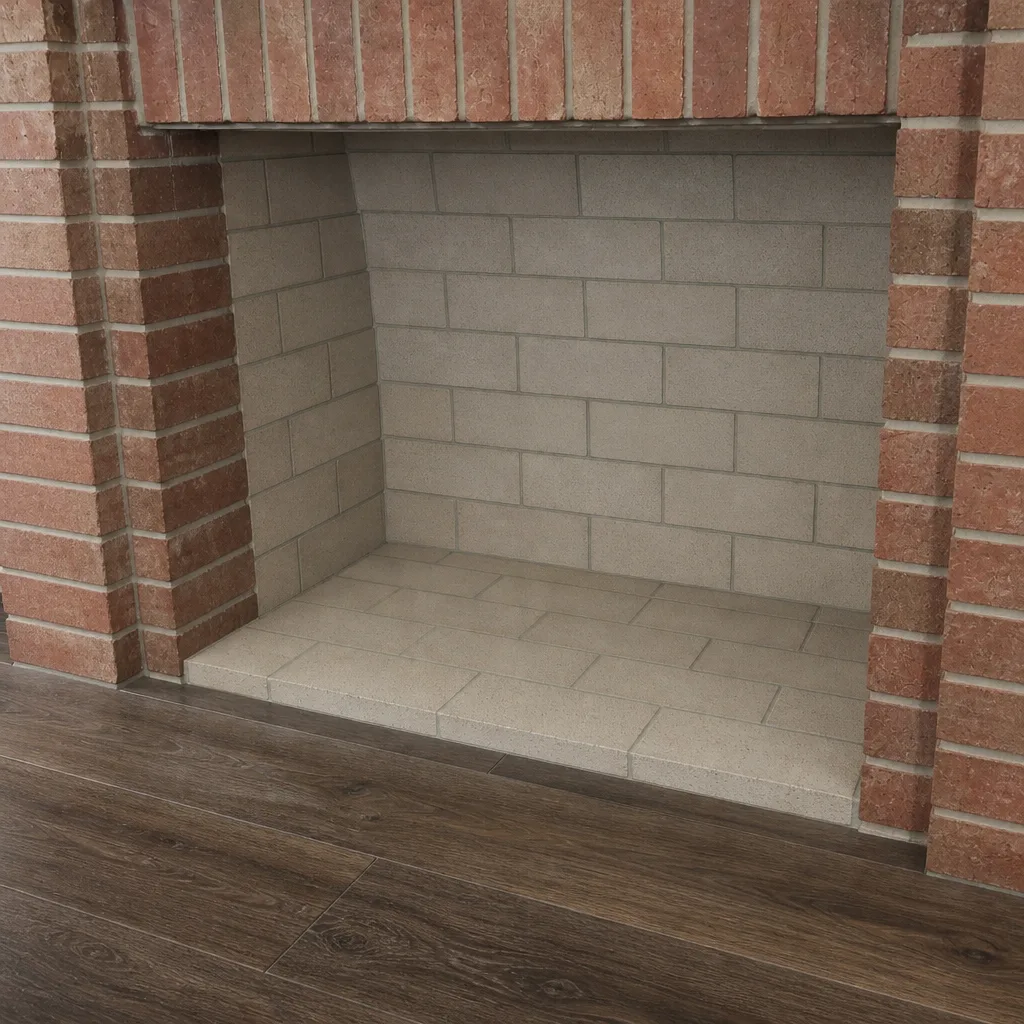
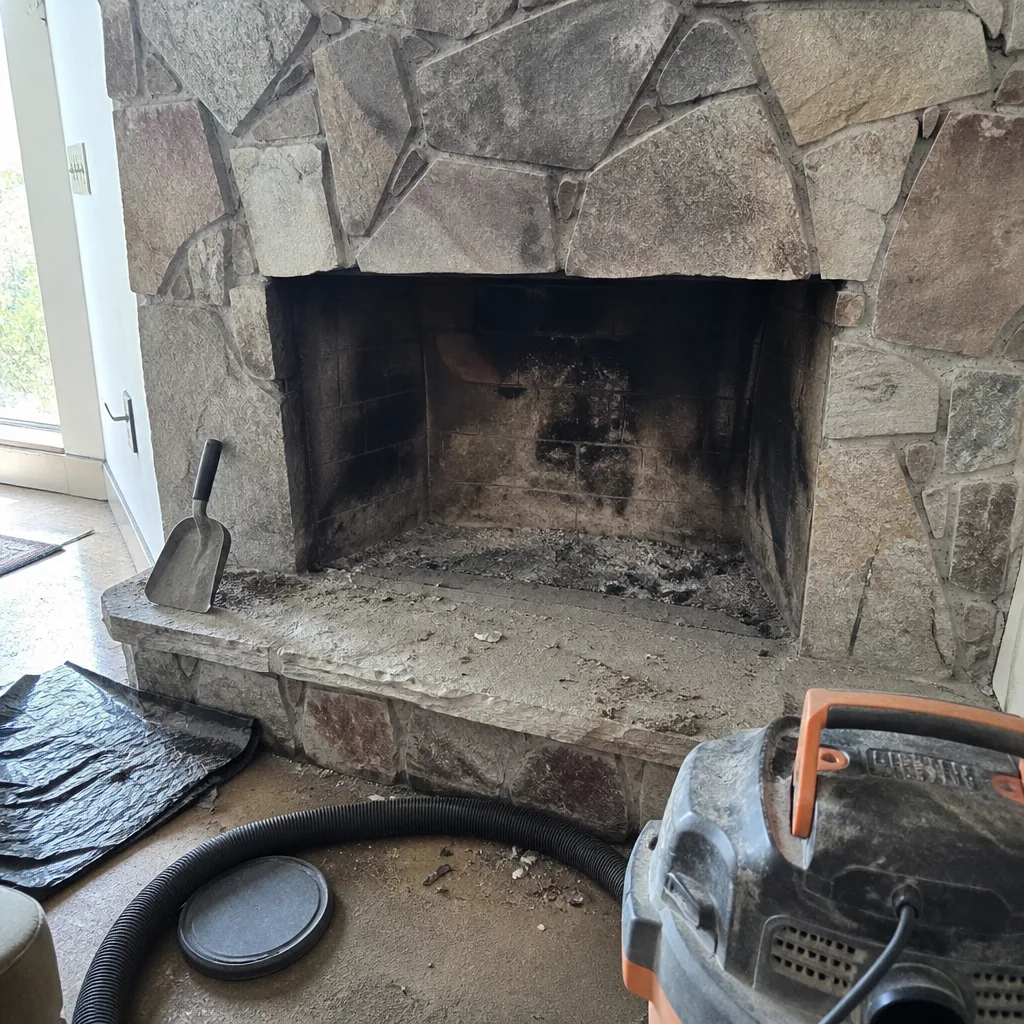
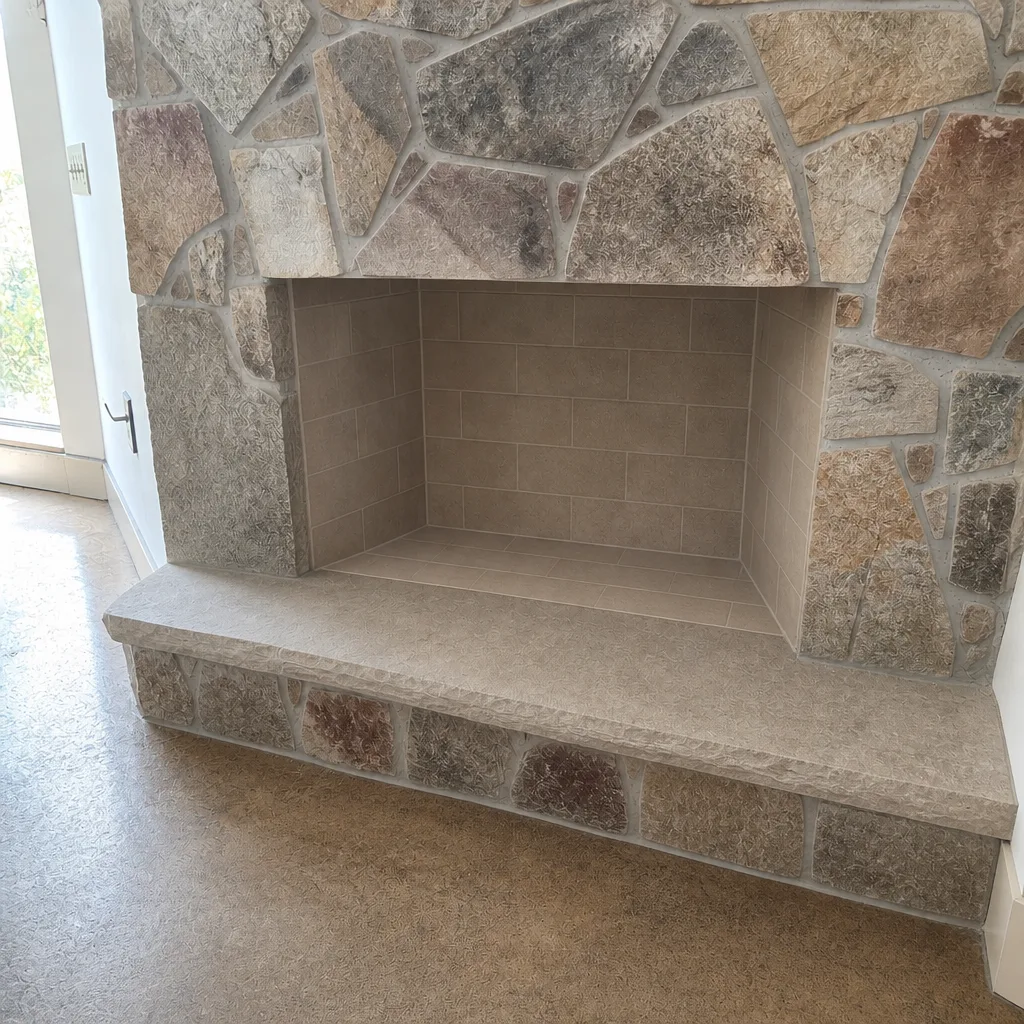
See the difference
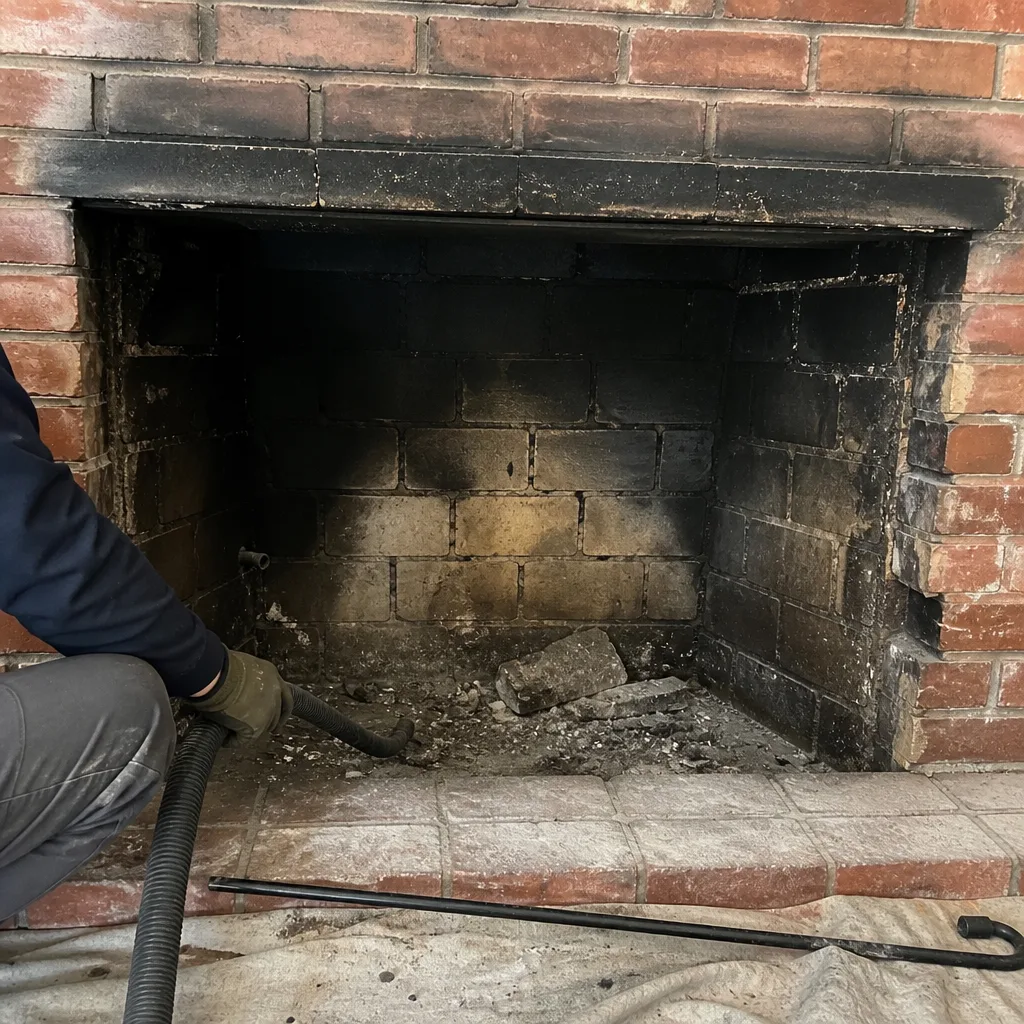 Before
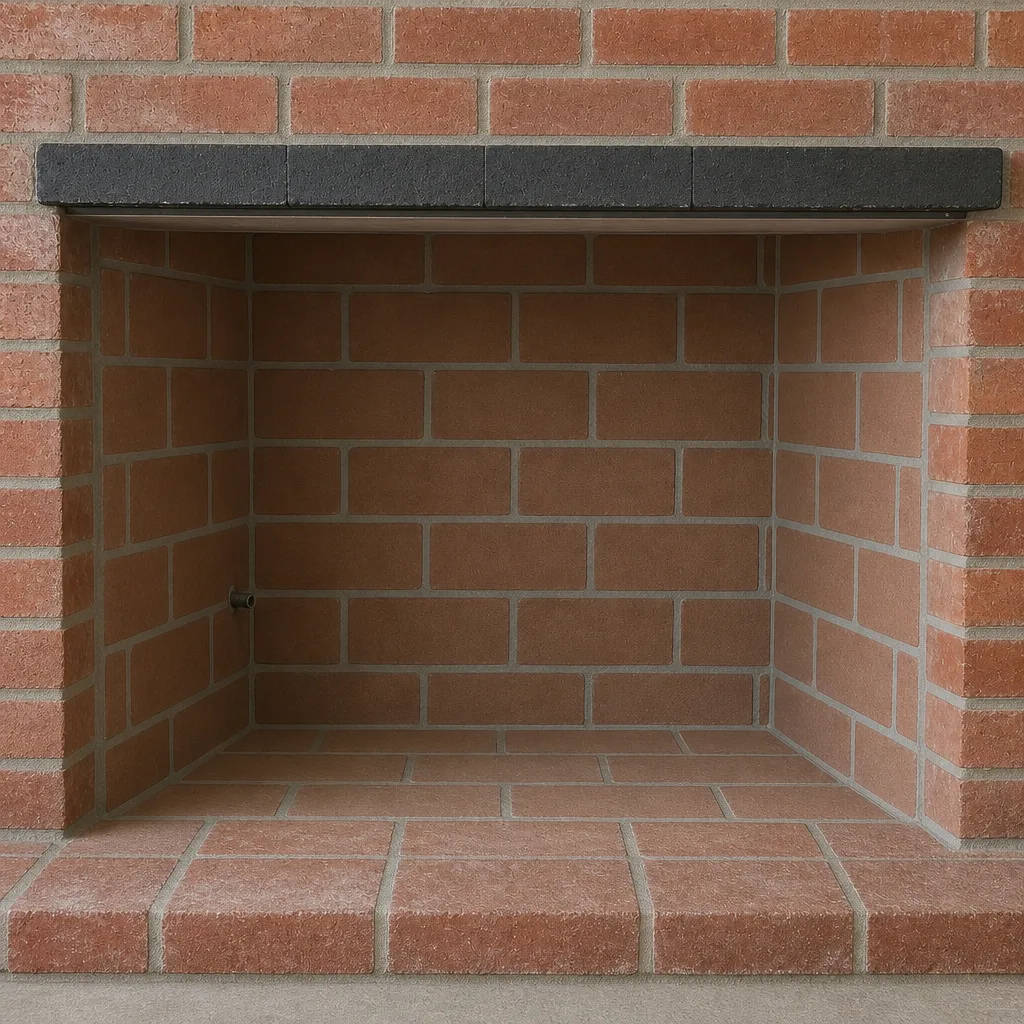 After
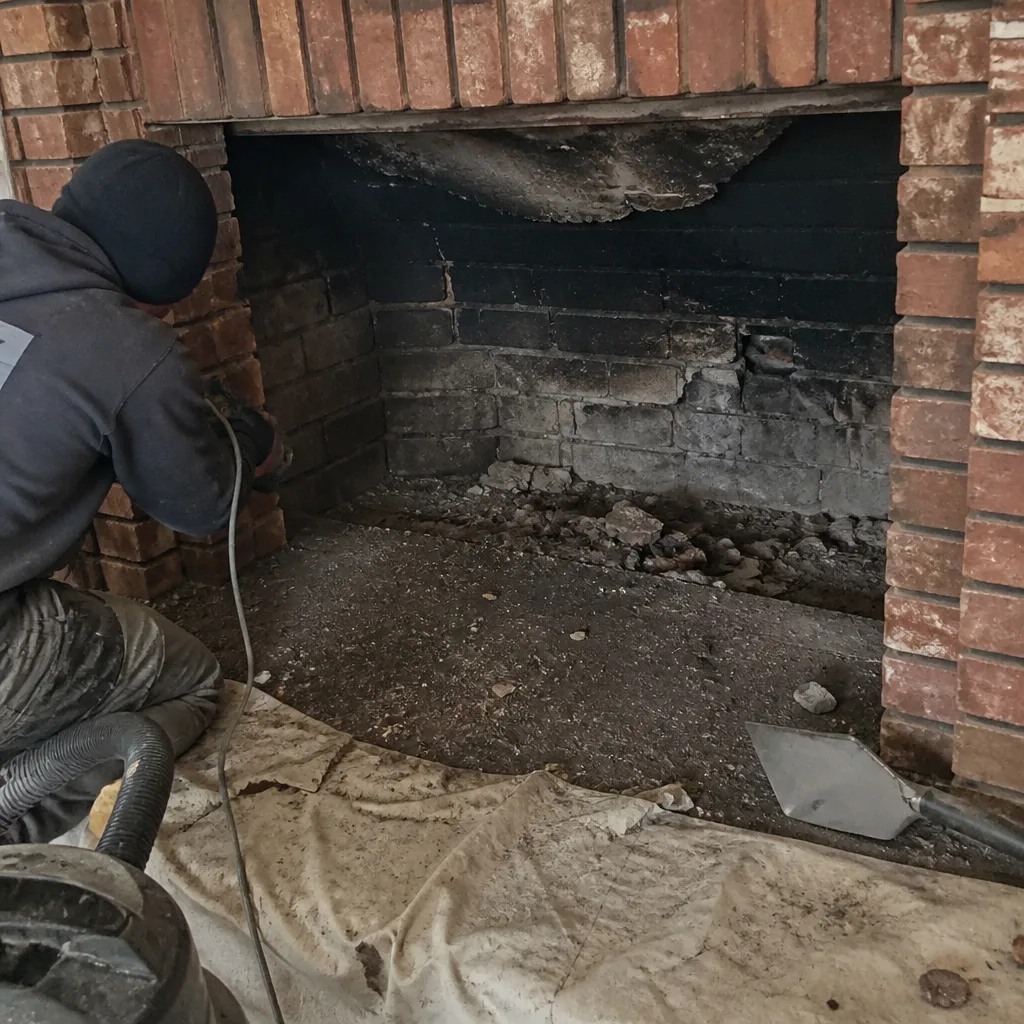 Before
 After
 Before
 After
When to Call a Professional
Call a professional any time the question touches the structure of the chimney. A crack in the flue liner, a chimney that smokes, a firebox with visible damage, an insert you’re installing, a home purchase, or a chimney fire in the recent past all mean the system needs a Level 2 inspection and an honest recommendation. A standard annual sweep is also worth a professional’s eye; the sweep is the moment to catch a developing defect before it becomes structural.
Reno Chimney Cleaning offers free estimates in Reno. We inspect before we recommend, so any repair proposal comes with camera evidence you can see. Call (844) 543-7293. We answer 24/7, with fast dispatch from 7am to 7pm, Sunday through Friday. One company handles sweep, inspection, and repair, so you’re not coordinating contractors or chasing permits across multiple trades.
Frequently Asked Questions
No. Routine chimney cleaning is maintenance and does not require a building permit. Cleaning removes creosote and debris without changing the structure of the chimney system, so it falls outside the permit scope. Call (844) 543-7293 for a free estimate on a sweep. Whether your chimney needs anything beyond a routine sweep is answered by the inspection performed during the visit.
Yes, in most cases. A liner replacement or HeatShield resurfacing job changes the structure of the flue, so it typically requires a permit through either the City of Reno or Washoe County depending on your address. The exact requirement can vary by project scope, so confirm with the building department that has jurisdiction over your property before work starts.
They serve different purposes and a complete maintenance visit does both. Cleaning removes creosote and keeps the flue clear; inspection looks for developing defects that a cleaning alone won’t reveal. The NFPA 211 Level 1 inspection is performed alongside the annual sweep. A report that only says “cleaned” without findings isn’t a full visit, and any recommendation should come with evidence.
NFPA 211 is the National Fire Protection Association standard that governs chimney and vent inspections, and it’s the reference standard Nevada inspectors work from. It defines three inspection levels and the cases where each applies. A property transfer, an appliance change, a liner replacement, or a prior chimney fire all call for a Level 2 inspection. Cleaning and routine maintenance call for Level 1. Your inspection report should name the level and cite the standard.
Yes, in a real way. If a fire claim is filed and the adjuster finds structural work on the chimney that was never permitted, the claim can be contested. The permit and the inspection report are the documentation that proves the work met code. In a high-fire-risk zone, that paperwork protects you. Call (844) 543-7293 if you want to know what’s on file and what should be.
Ask for the inspection report and the permit record. A pre-purchase Level 2 inspection will tell you the current condition of the flue, the firebox, the crown, and the cap, with camera evidence of any defect. Check the permit history for any liner or insert work. If the report and the permit record don’t line up, that’s a negotiating point. Call (844) 543-7293 for an inspection quote before closing.
The Bottom Line
Permits in Reno apply to chimney work that changes the structure: liner replacement, firebox rebuilding, insert installation, and exterior reconstruction. Cleaning and inspection don’t need a permit, but the inspection is what tells you whether structural work is needed. NFPA 211 defines the inspection levels, and the City of Reno versus unincorporated Washoe County determines who reviews the permit. A code-compliant inspection report is the paper trail that protects you in a home sale and with your insurer in a high-fire-risk zone. Sweep annually, inspect thoroughly, permit structurally. Call (844) 543-7293 for a free estimate. We answer 24/7, with fast dispatch from 7am to 7pm, Sunday through Friday.
Written by the team at Reno Chimney Cleaning.