
Last updated November 15, 2026
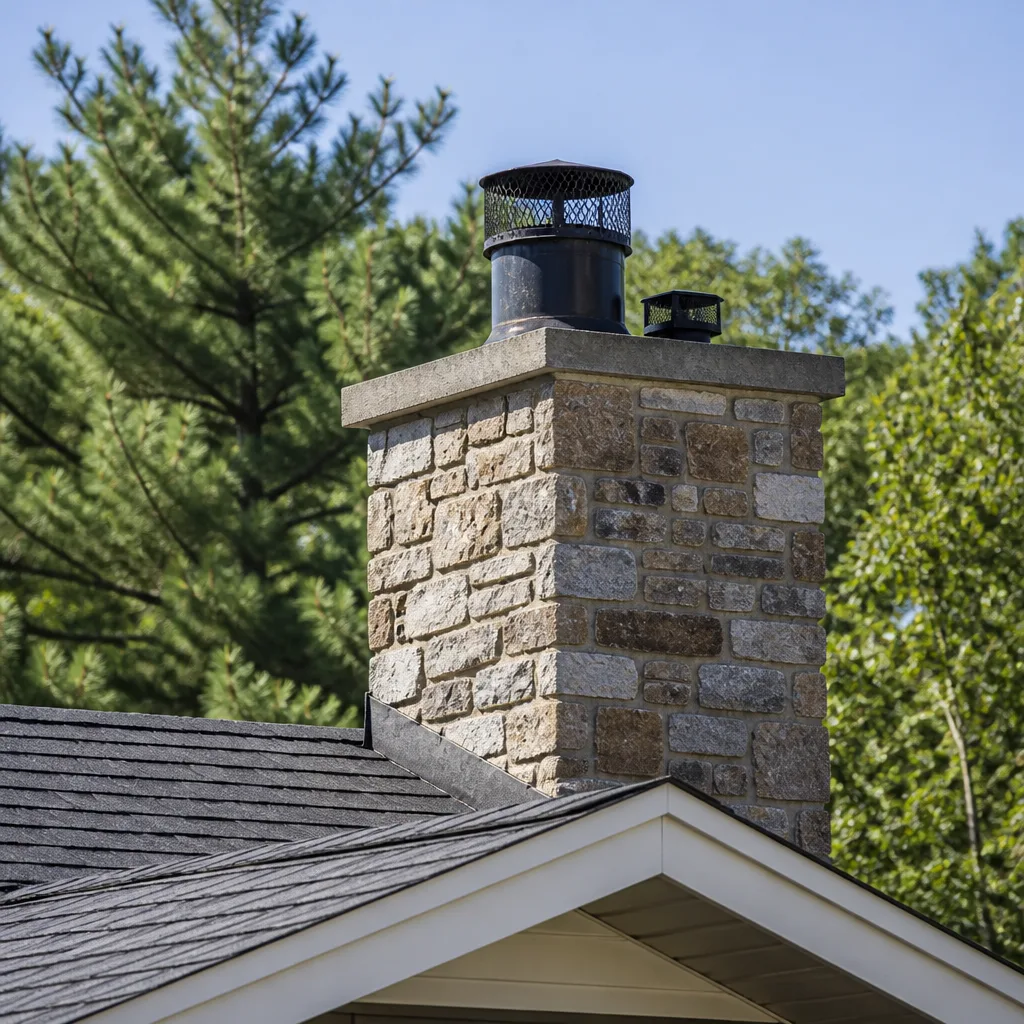 Sweep & inspection
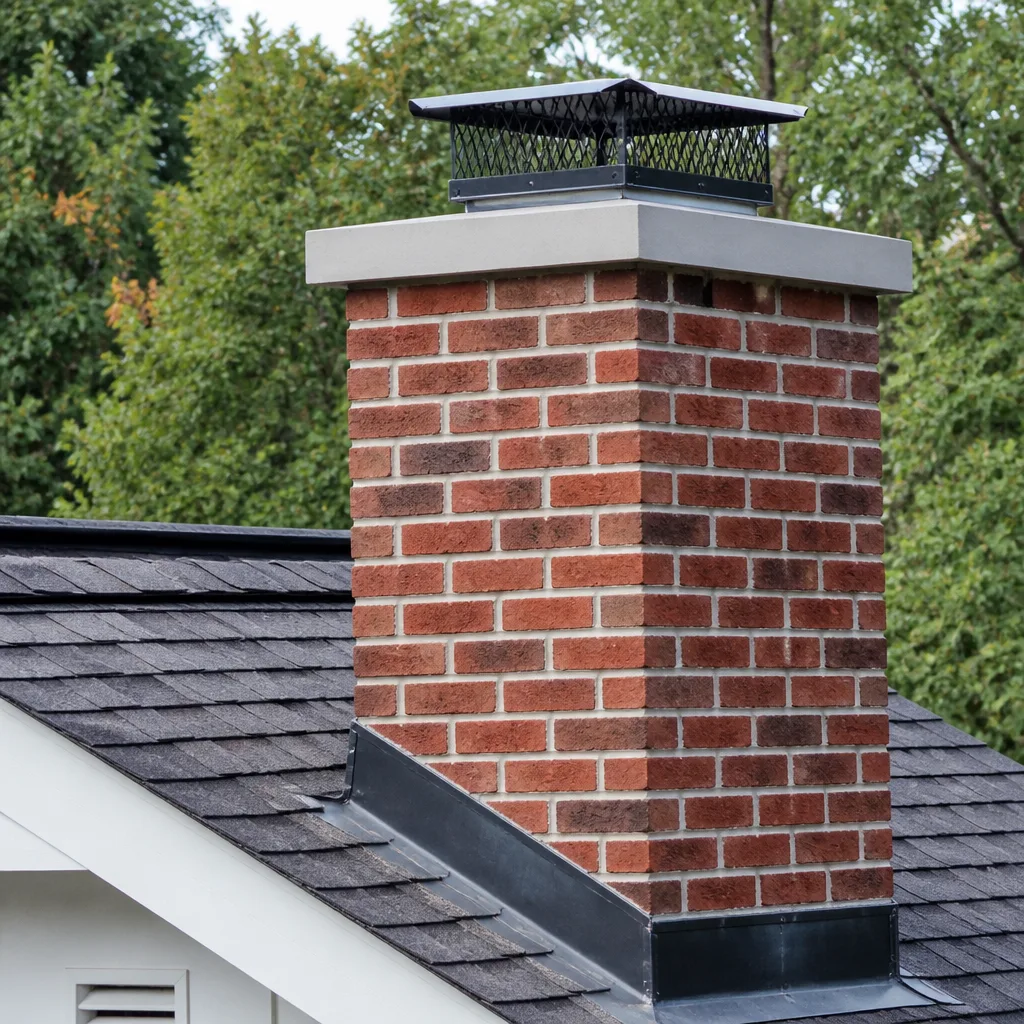 Caps & crowns
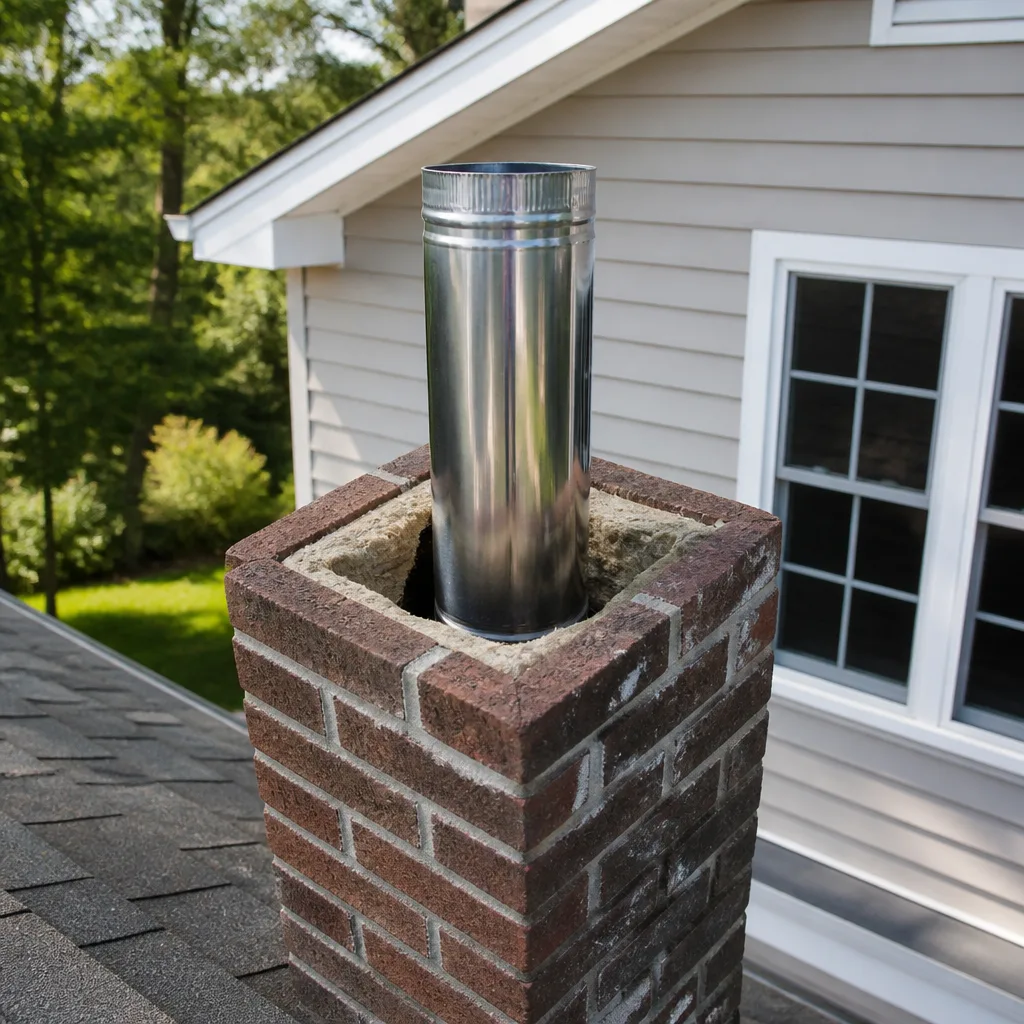 Flue relining
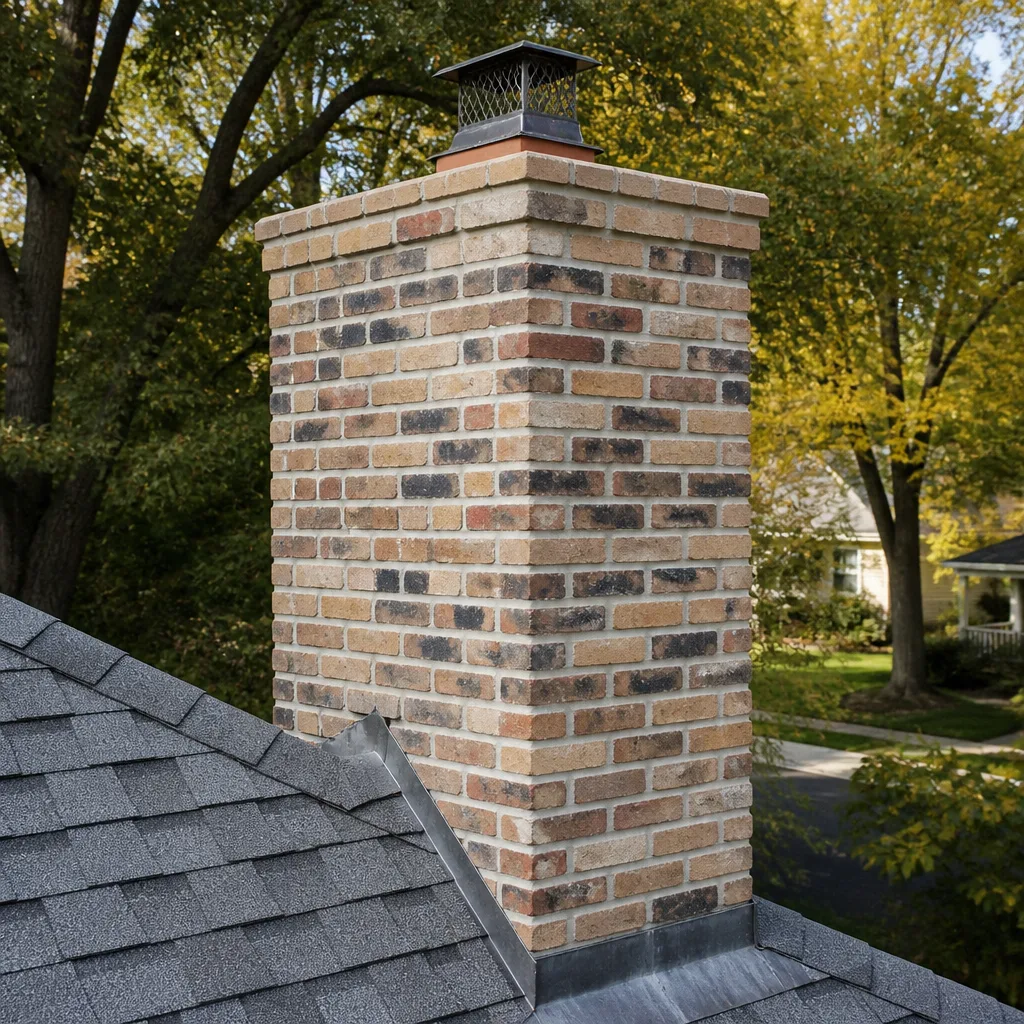 Masonry repair
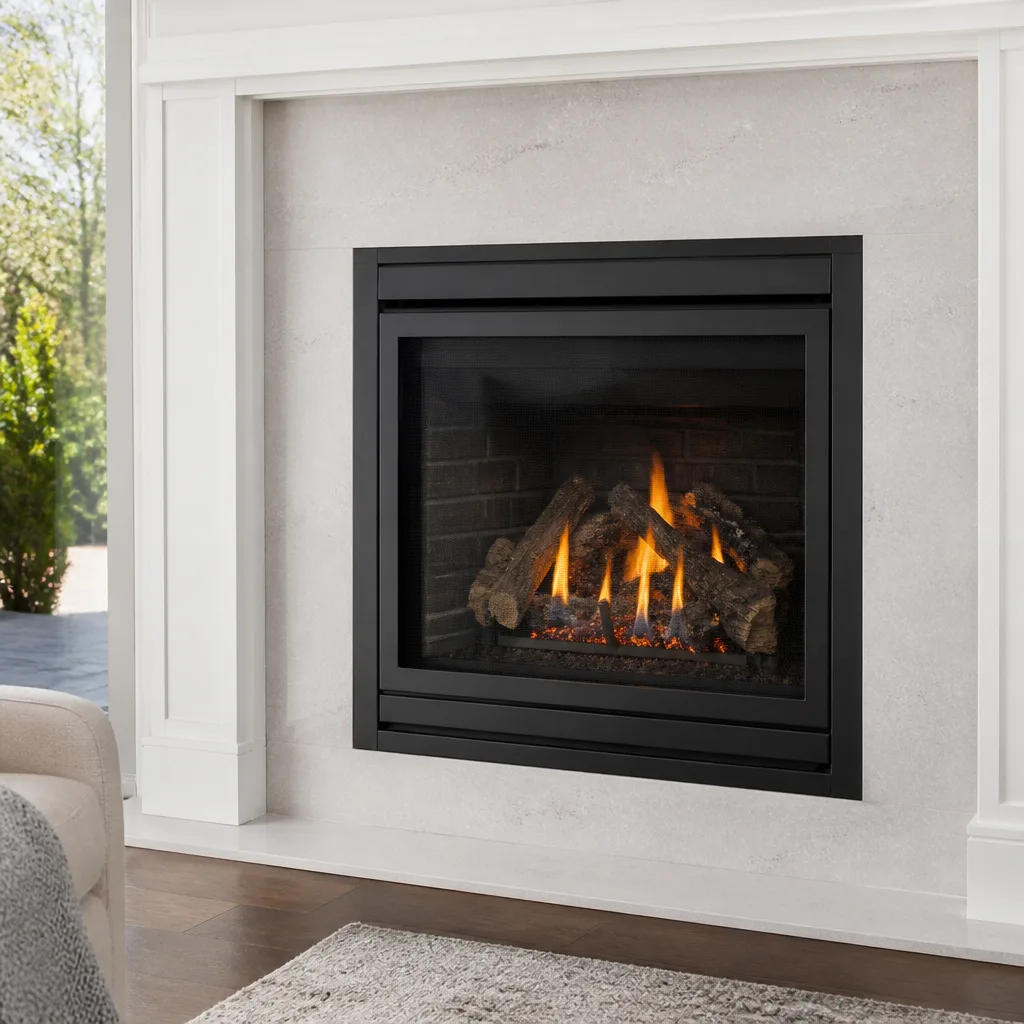 Gas fireplace service
Level 1 sweep and inspection to the NFPA 211 annual standard - flue, crown, cap, and flashing checked and photographed
Chimney sweep logs do not sweep chimneys. They loosen some creosote - which then falls where a brush and vacuum still have to collect it.
Chimney Cleaning Emergency Preparedness Guide for Reno Homes
Most people assume they’ll know a chimney fire when it happens. In our experience, that’s the most dangerous assumption a homeowner can make. Chimney fires often announce themselves with a low rumble that sounds more like a distant train than a blaze, and by the time flames are visible above the cap, the flue has already been through extreme stress. Reno sits between wildfire country and high-desert cold, which means a chimney problem here doesn’t happen in isolation. Fire crews may already be stretched thin, winds can push embers onto dry ground, and your fireplace may be a real part of how you heat the house. This guide walks through identifying a chimney fire, what to do while it’s happening, how to plan heating backup for a cold snap, pre-season prep for fire-prone land, and the paperwork that makes an insurance claim survivable.
Quick Answer
If you suspect a chimney fire in a Reno home, call 911, get everyone outside, and don’t try to fight it from the roof or attic. After the fire department clears the house, stop using the fireplace until a chimney professional has inspected the flue with a camera and confirmed the liner is intact. Even a chimney fire that went out on its own can leave cracks, warped metal, or separated joints that let heat and carbon monoxide reach framing.
Styles & brands we work with
- Sweep & inspection
- Caps & crowns
- Flue relining
- Masonry repair
- Gas fireplace service
Table of Contents
- How do you know a chimney fire is happening right now?
- What should you do during and right after a chimney fire?
- Why the flue must be inspected before you relight
- Pre-fire-season chimney preparation in a high-fire-risk zone
- Building a winter heating backup plan
- Carbon monoxide detection and placement
- What documentation an insurance claim needs
- Cleaning, checking, and when to book a sweep
How do you know a chimney fire is happening right now?
A chimney fire is usually louder than it is bright. The classic signs fall into sound, sight, and smell, and a homeowner should be able to check all three in seconds.
Sounds you may hear from inside the house:
- A deep rumbling or roaring like a freight train moving through the flue
- Ticking or popping, which is creosote igniting in small bursts
- A sound that seems to travel up the chimney rather than stay in the firebox
Visible signs:
- Dense, dark smoke pushing from the top of the chimney and chimney cap
- Sparks or small flames visible above the cap
- Stovepipe or a chimney exterior hot to the touch when others are not
- Puffy, honeycombed creosote in the firebox that looks like it boiled and cooled
Smell and secondary signs:
- A sharp, bitter smell in rooms that don’t normally carry fireplace odor
- Smoke entering the house through seams or from around the flue where it shouldn’t
- Warped or discolored damper hardware
Not every chimney fire is dramatic. A slow, smoldering fire can burn for hours with very little visible sign, and the only evidence is damage found later by an inspector. In the truckee meadows neighborhoods and older homes near downtown Reno, we’ve seen plenty of chimneys where a previous homeowner’s fire showed up only as cracked flue tiles during a routine sweep. If any of the signs above line up with what you’re hearing or seeing, treat it as real and act on it.
What should you do during and right after a chimney fire?
The right response is simple, but the order matters. Fire first, structure second, investigation last.
- Call 911 if you’re inside and there’s any doubt. A chimney fire can move into the chimney structure, attic, or roof assembly, and that’s a fire department call, not a homeowner call. Do not wait to see whether it settles down.
- Get everyone outside and take a head count. If you have pets, get them out too, but don’t go back in for them once the fire department is on the way.
- Close the glass doors or flue damper only if you can do it safely and quickly from where you stand. Cutting air to a fire reduces the burn rate, but never do this at the cost of getting out.
- Don’t spray water into the firebox. Sudden cooling can crack masonry and flue tiles, and the steam can drive smoke and carbon monoxide into the house.
- Keep others away from the roof and chimney base. People get hurt during chimney fires trying to climb onto a roof to hose down a cap.
- Don’t relight anything afterward, not tonight and not this week, until the flue has been inspected. Visible damage is not a reliable indicator of whether the liner is safe.
If you smell smoke in the house after the fire is out or after the fire department has left, treat that as a second emergency. Reheating a chimney structure that has been through a fire can push trapped carbon monoxide into living space. Call the fire department again and open windows as a precaution. Our Reno Chimney Cleaning team picks up the phone when homeowners are trying to figure out what to do next.
Why the flue must be inspected before you relight
A flue that looks fine from the firebox is not a safe flue. The liner takes the brunt of a chimney fire, and its failure points are almost always quiet.
What we look for during a post-fire inspection:
- Cracked or spalled clay flue tiles. Hairline cracks open further with heat and are the pathway for carbon monoxide into the framing.
- Warped, buckled, or separated stainless liner sections, especially at joints and at the top plate.
- Damaged or melted chimney caps and spark arrestors, which need replacement so they still do their main job.
- Creosote fused into hard, glazed deposits that will feed a second fire.
- Crown damage or gaps where heat escaped at the top of the chimney.
The camera inspection matters because a lot of the flue isn’t visible with a flashlight from the bottom. A small camera run up the flue shows tile condition at each joint, how the liner sits against the masonry, and whether the smoke chamber has any breaks. We inspect before we recommend, and we show the homeowner the footage so they can see the same thing we’re looking at.
If the flue is smoke-damaged but the liner is intact, cleaning and re-checking may be the whole job. If the liner has failed, that’s a relining project, and matching the material to the appliance matters. HeatShield liner resurfacing suits some flues, and a full stainless reline using DuraFlex or Olympia Chimney systems suits others. The point is that the repair is chosen from what the camera shows, not from what’s easiest to sell. Without that inspection step, a homeowner can easily relight a chimney that would fail again the next cold night.
Pre-fire-season chimney preparation in a high-fire-risk zone
Chimney prep and wildfire prep overlap in Reno more than most people realize. Both come down to keeping embers contained and the roof assembly clear.
A pre-season checklist for a chimney in fire-prone country:
- Get the chimney swept before the first cold snap, so any built-up creosote from last season is out of the flue before the fire risk is highest.
- Check the chimney cap and spark arrestor. An ember-resistant cap matters here because it keeps hot debris inside the flue and keeps birds and debris out during the dry months. We install Gelco and Famco caps for exactly this reason. A warped or missing spark arrestor is a direct ember path onto the roof.
- Clear the roof and the first several feet around the chimney of pine needles, leaves, and firewood. In the neighborhoods tucked into the foothills north and west of Reno, that clearance is part of the fire plan, not just tidiness.
- Boost your defensible space. Firewood stacked against the house or under a deck is a gift to embers, and that wood is also what you’d be burning if the power goes out.
- Screen or seal exterior vents and penetrations. Embers can enter an attic through surprisingly small openings.
- Look at the chimney exterior for gaps, spalling brick, and crown cracks. Missing mortar and open crowns let embers and water in, and both do damage.
- Ask your neighbor’s chimney too, if you’re on a shared roof line or very close together. On tightly packed streets, a chimney cap isn’t only protecting the house it sits on.
If you’re using the fireplace through the winter and want the exterior inspected top to bottom, that’s a good time to schedule a look at the chimney sweep along with a cap check. Getting both done together saves a second visit.
Building a winter heating backup plan
Reno winters can drop fast, and a lot of homes lean on a fireplace or wood stove as real heat, not decoration. When the power goes out, or when the furnace quits in the middle of a cold week, that fireplace may be the reason the pipes don’t freeze and the family stays warm. But a fireplace is a bad backup plan if it’s the only backup plan.
What a workable backup plan includes:
- A second heat option that doesn’t need electricity. A properly vented gas or propane appliance, a wood stove, or a portable heater sized to the room. Anything with a vent needs its own inspection and clearance check.
- Enough fuel, stored right. Split, dry wood under cover and off the ground, at least a few feet from the house. If you run a propane backup, know how long the tank actually lasts.
- Close off unused rooms. Heating a living room is faster than heating a house, and a door kept shut can make the difference on a very cold night.
- A working flashlight, batteries, and a phone charger bank. Small, but every winter storm reminds at least one Reno homeowner.
- Written notes on how your fireplace works. Damper open or closed, both air controls, and what the correct starting sequence is. You’ll want it there when you’re cold and the power is out.
One part of the backup plan belongs in a separate section below because it deserves the attention: carbon monoxide. A fireplace backup only works if the flue is clean, the liner is intact, and the draft is pulling correctly. Winter is not the time to discover a draft problem. Our chimney repair service is where most of these issues get resolved, and a pre-season inspection is what surfaces them before the cold sets in.
Carbon monoxide detection and placement
Carbon monoxide is the reason chimney work is a life-safety trade, not a housekeeping one. Gas fireplaces, wood stoves, and standard fireplaces can all release CO into living space if the flue is blocked or the liner has failed.
Where to place CO detectors in a home with a fireplace:
- One on each floor of the home, including the basement if you have one.
- One placed in or just outside the sleeping areas, so it can wake people at night.
- One in the same room as the fireplace, or in the nearest hallway if the run is short.
- Wall placement at roughly sleeping height, following the manufacturer’s instructions on spacing and height.
A CO detector is a backstop, not a substitute for chimney maintenance. It only helps if it actually works, and that means testing it monthly and swapping the batteries on the same schedule you’d use for a smoke alarm. If you have a gas appliance anywhere in the house, the same care applies.
The other piece is draft. A blocked or partially blocked flue can backdraft smoke and CO into the house even with a fire that seems to be drawing well. Signs of a draft problem include a smoky smell after lighting, a fire that struggles to catch, and soot on the fireplace glass or mantel. A damper or cap problem can cause that, which is why we look at the full system. A cap that’s the wrong size for the flue, a damper that doesn’t seal, or a cap screen packed with debris can all turn a working chimney into a testing ground for the CO detector.
What documentation an insurance claim needs
An insurance claim after a chimney fire goes much more smoothly if the paperwork exists before the fire does. Most of the disputes we hear about aren’t about whether the fire happened; they’re about whether the homeowner can show the chimney was maintained.
Have these ready:
- Sweep and inspection records. A dated report from previous servicing, ideally with photos, shows a pattern of care.
- Prior repair receipts. Liner work, cap replacements, crown repairs. Anything that shows maintenance was handled by a professional.
- The post-fire inspection report. This is the centerpiece. A written report from a trained inspector with camera evidence of the damage is what an adjuster can act on.
- A photo log of the exterior and interior. Your own phone photos of the cap, the firebox, and any visible interior damage are worth keeping alongside the inspector’s report.
- A written scope of repair. A clear description of the parts that failed and what it will take to restore them, so it can be matched against the policy.
The order of events matters. Call your insurer after the fire department has cleared the scene, not before, and don’t throw away damaged components before the adjuster has had a look. If you’ve been putting off the sweep and now you’re worried about what the flue looks like, book an inspection in advance. A written record of your Reno chimney’s condition is the single best piece of evidence you can have in a claim.
Cleaning, checking, and when to book a sweep
Chimney maintenance runs on a simple rhythm: sweep, inspect, repair if needed, and repeat. Creosote builds up on the flue every time the fireplace burns, and that’s the fuel that feeds a chimney fire. How fast it builds depends on how you burn, not just how much. Smoldering, low-oxygen fires and unseasoned wood leave far more creosote than hot fires with dry wood.
How often a sweep is due depends on use:
- Regular winter burning. Sweep annually and inspect at the same visit. Heavy users may need a mid-season check.
- Occasional use. Sweep every year anyway, and inspect when any sign appears that something has changed.
- Gas fireplace. The flue doesn’t build creosote the way a wood fire does, but the venting system still needs inspection, and a bird’s nest or debris block can happen to any chimney.
- After any chimney fire. Sweep and inspect before relighting, regardless of how small the fire seemed.
What a good professional sweep involves:
- A look at the appliance, the firebox, and the flue opening before any cleaning starts.
- Containment and drop cloths, so the room isn’t covered in soot.
- A full sweep of the flue plus a camera inspection of the liner.
- A check of the cap, crown, and smoke chamber from the top.
- A written report with photos, and a plain-spoken explanation of anything that needs repair, with the option to wait if the work isn’t urgent.
That last part matters for homeowners who’ve been told they need thousands of dollars of work. If you’ve ever wondered whether the recommendation was real, the answer is in the camera footage. We’ll show you what we see, and if it can safely wait, we’ll say so.
Common Mistakes to Avoid
- Assuming a fire that “went out on its own” did no damage. Slow chimney fires can burn for hours and still crack flue tiles, and the damage often shows up in the next fire. Get the flue inspected before relighting.
- Relighting to “test it out” after a fire. A single burn in a compromised flue can push carbon monoxide into the house. Wait for the inspection result and follow it.
- Leaning on a fireplace as the only winter heat source. Reno cold snaps don’t negotiate, and a fireplace that’s your sole backup leaves no fallback if the flue turns out to need repair. Have a second heat source ready.
- Skipping the cap and spark arrestor check. A missing or damaged cap is a direct ember path and a welcome mat for birds and debris. It’s one of the simplest fixes and one of the most overlooked in fire-season prep.
- Burning unseasoned wood or smoldering dampers. Wet wood and closed-down dampers build up creosote faster, and creosote is what’s actually burning during a chimney fire. Burn dry and burn hot enough to keep the flue clean.
- Hiring a generalist handyman for a chimney problem. A chimney system has specific failure points most trades never see. Get someone who works on chimneys all day; the diagnostic difference shows up in the recommendation.
- Discarding documentation before an insurance claim is filed. Keep sweep records, repair receipts, and photos, and don’t throw out damaged components until the adjuster has reviewed them.
See the difference
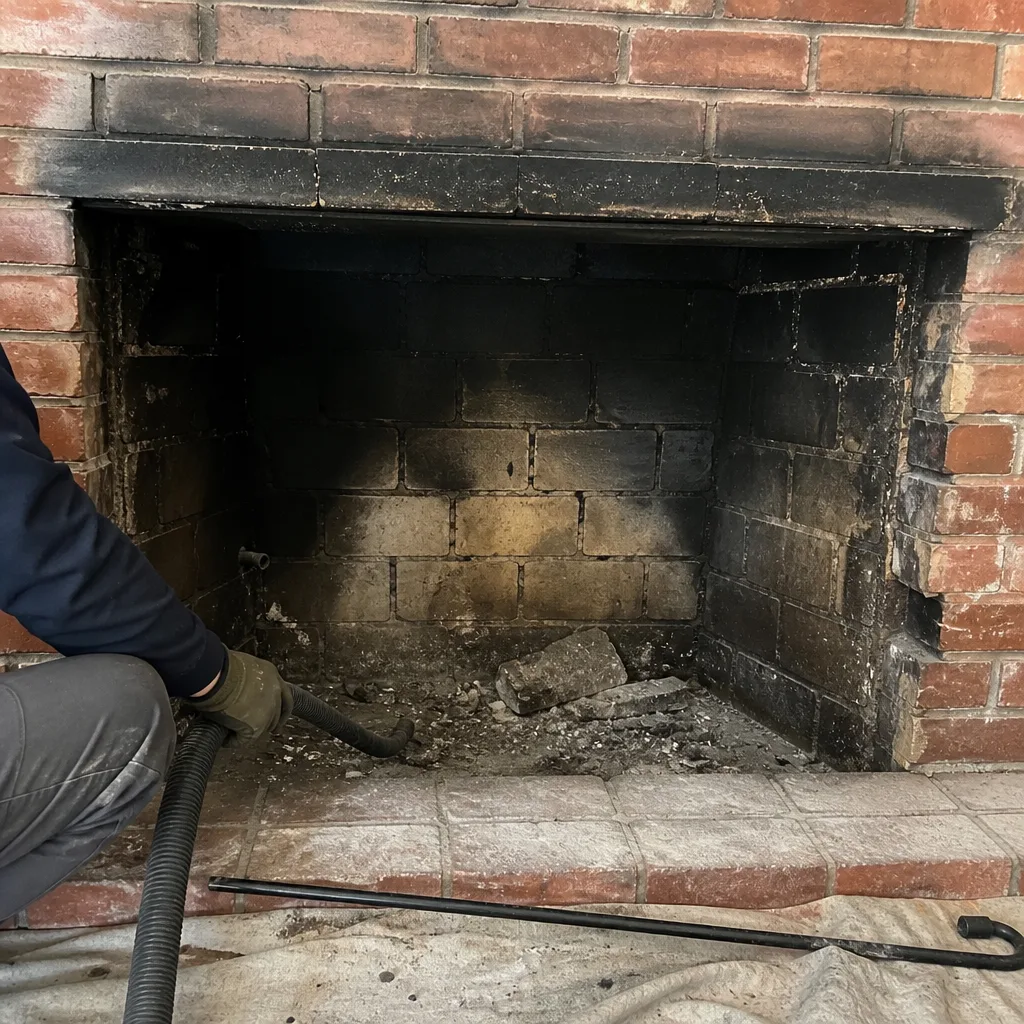 Before
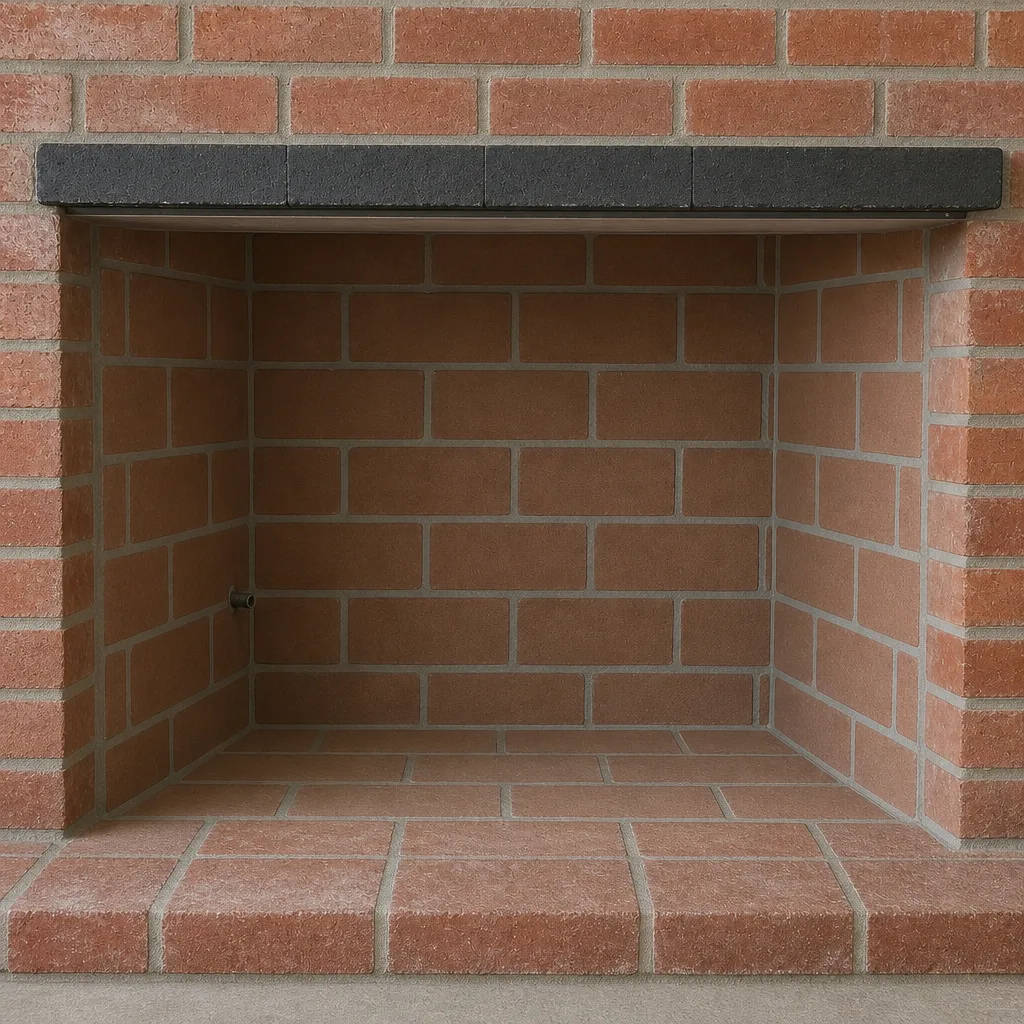 After
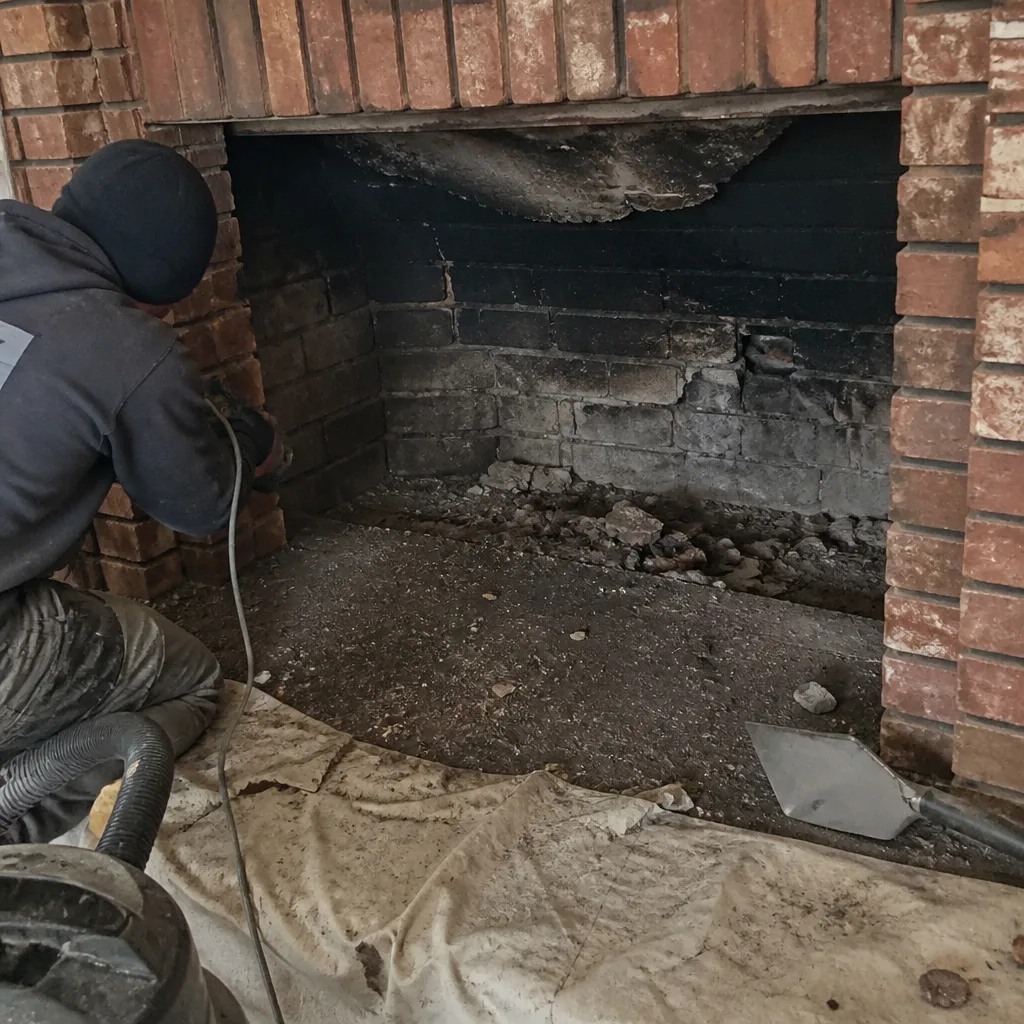 Before
 After
 Before
 After
When to Call a Professional
Call a chimney professional when any of the following is true: you’ve had a chimney fire of any size, you see any sign of a failed liner, your CO detector has ever gone off while a fireplace or wood stove was lit, your chimney cap is missing or damaged, you smell smoke in the house when nothing is burning, or you simply don’t know when the chimney was last inspected. Each one is a legitimate reason to get the flue itself looked at, not the firebox from the top step. Reno Chimney Cleaning offers free estimates in Reno, and we handle sweep, inspection, and repair together so you aren’t coordinating three different contractors. Call (844) 543-7293. We answer 24/7. Fast dispatch from 7am to 7pm, Sunday through Friday.
Frequently Asked Questions
A standard chimney sweep in Reno typically runs $180 to $340, and a full inspection is usually bundled with the sweep or quoted separately depending on how deep it goes. Call (844) 543-7293 for an exact quote – estimates are free, and the written estimate sets the final price.
Not always. If the camera inspection shows the liner intact and the damage is limited to creosote and smoke, cleaning may be all that’s required. If the liner is cracked, warped, or separated at a joint, it has to be replaced or resurfaced before the fireplace is used again. Call (844) 543-7293 and we’ll show you the footage.
Once a year for any actively used wood-burning fireplace, and before the season starts if you haven’t done it yet. Heavy users and anyone burning a lot of unseasoned wood should consider a mid-season check. Call (844) 543-7293 to get on the schedule – estimates are free.
Creosote builds up on the flue, and when it ignites you get a chimney fire. In a dry, windy Reno fire season, that fire can send embers onto the roof, and the fire crews may already be busy. The secondary risk is carbon monoxide if the liner fails. Call (844) 543-7293 before you relight.
A working spark arrestor and ember-resistant cap reduce the risk, but they don’t eliminate it. During red flag conditions, we recommend skipping the fire altogether and relying on another heat source, and if you do burn, keep the roof and first several feet around the chimney clear. Call (844) 543-7293 for a cap and spark arrestor check before the season.
Get everyone outside and call 911. Don’t try to air out the house while the fire is still in the firebox, and don’t relight the fireplace until a chimney professional has inspected the flue. Call (844) 543-7293 after the fire department clears the home and we’ll get the flue inspected.
The Bottom Line
A chimney emergency in Reno is a two-part event: the fire itself and the hidden damage that follows. The plan that actually works has three pieces. Know the signs of a chimney fire so you don’t mistake a roaring flue for a normal burn. Stop using the fireplace after any fire until a camera inspection confirms the liner is intact. And clear the fuel, cap the flue, and store real backup heat before the season starts, not when it’s already cold. A clean chimney, a functioning cap, and a scheduled inspection are the whole insurance policy. If you’d rather not wonder, call Reno Chimney Cleaning at (844) 543-7293. We answer 24/7. Fast dispatch from 7am to 7pm, Sunday through Friday.
Written by the team at Reno Chimney Cleaning.